Air Filter Options for Schools and Educational Institutions

Air quality in schools and educational institutions is a crucial aspect that can significantly impact the health, comfort, and productivity of students, teachers, and staff. With the increasing awareness of the importance of indoor air quality (IAQ), schools are now focusing on implementing effective air filtration systems to create a healthier learning environment. In this article, we will explore the various air filter options available for schools and highlight their applications in different areas.
HEPA Filters: The Gold Standard for Air Purification
High-Efficiency Particulate Air (HEPA) filters are widely regarded as the most effective air filtration technology for removing airborne pollutants, including dust, pollen, mold, bacteria, and viruses. With a minimum efficiency of 99.97% at 0.3 microns, HEPA filters can capture even the smallest particles, making them an ideal choice for schools. These filters are particularly useful in areas with high foot traffic, such as corridors, classrooms, and administrative offices.
Activated Carbon Filters: Effective Against Gases and Odors
Activated carbon filters are designed to capture gases, odors, and volatile organic compounds (VOCs) that can negatively impact indoor air quality. These filters are particularly useful in areas with high levels of air pollution, such as near science laboratories, art studios, or cooking facilities. By removing gases and odors, activated carbon filters can help create a more pleasant and healthy learning environment.
UV Air Purifiers: An Additional Layer of Protection
Ultraviolet (UV) air purifiers use UV light to kill bacteria, viruses, and other microorganisms that can be present in the air. These purifiers are often used in conjunction with HEPA filters to provide an additional layer of protection against airborne pathogens. UV air purifiers are particularly useful in areas with high risk of infection, such as nurses’ offices, gyms, and cafeterias.
Electrostatic Filters: A Cost-Effective Option
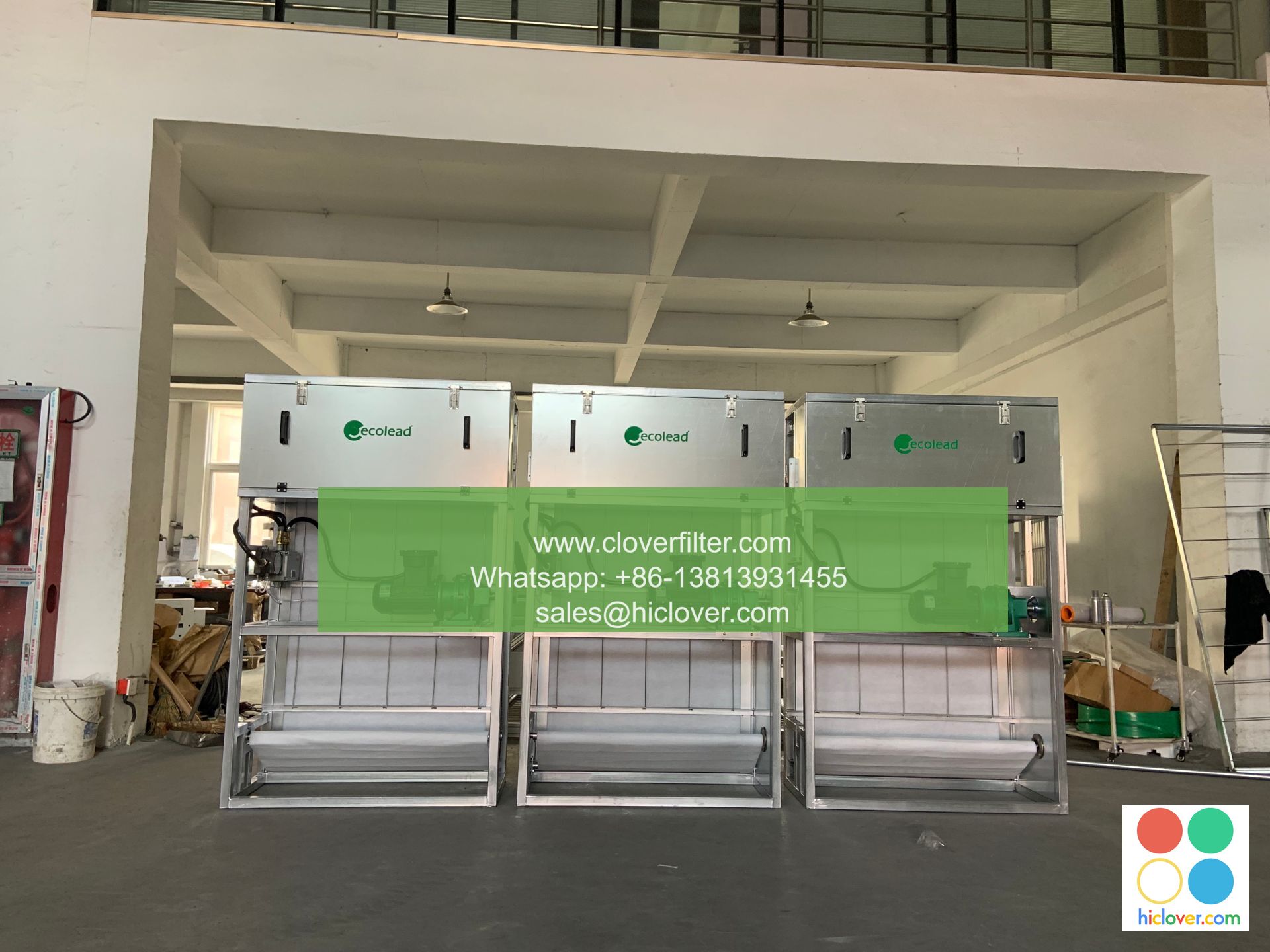
Electrostatic filters use an electrostatic charge to attract and capture airborne particles, making them a cost-effective alternative to HEPA filters. These filters are suitable for areas with moderate air pollution levels, such as libraries, computer labs, and auditoriums. While not as effective as HEPA filters, electrostatic filters can still provide significant improvements in indoor air quality.
Application Areas: Where Air Filters Can Make a Big Impact
Air filters can be applied in various areas of a school or educational institution to improve indoor air quality. Some key application areas include:
* Classrooms: HEPA filters or electrostatic filters can be used to improve air quality and reduce distractions caused by airborne pollutants.
* Science Laboratories: Activated carbon filters or UV air purifiers can be used to remove gases, odors, and pathogens from the air.
* Gyms and Sports Facilities: UV air purifiers or HEPA filters can be used to reduce the risk of infection and improve air quality in areas with high foot traffic.
* Cafeterias and Food Service Areas: Activated carbon filters or electrostatic filters can be used to remove cooking odors and airborne pollutants.
Conclusion: Creating a Healthier Learning Environment
Improving indoor air quality is essential for creating a healthier learning environment in schools and educational institutions. By choosing the right air filter options and applying them in key areas, schools can reduce the risks associated with poor air quality, improve student and staff health, and enhance overall productivity. Whether it’s HEPA filters, activated carbon filters, UV air purifiers, or electrostatic filters, there are many effective air filter options available to suit the unique needs of each school and educational institution. It seems like you’ve provided a blank prompt. Could you please provide more context or specify what you would like to know or discuss? I’ll do my best to provide a helpful and direct response.
