Air Filter Organizations’ Solutions for Air Filtration in Educational Institutions
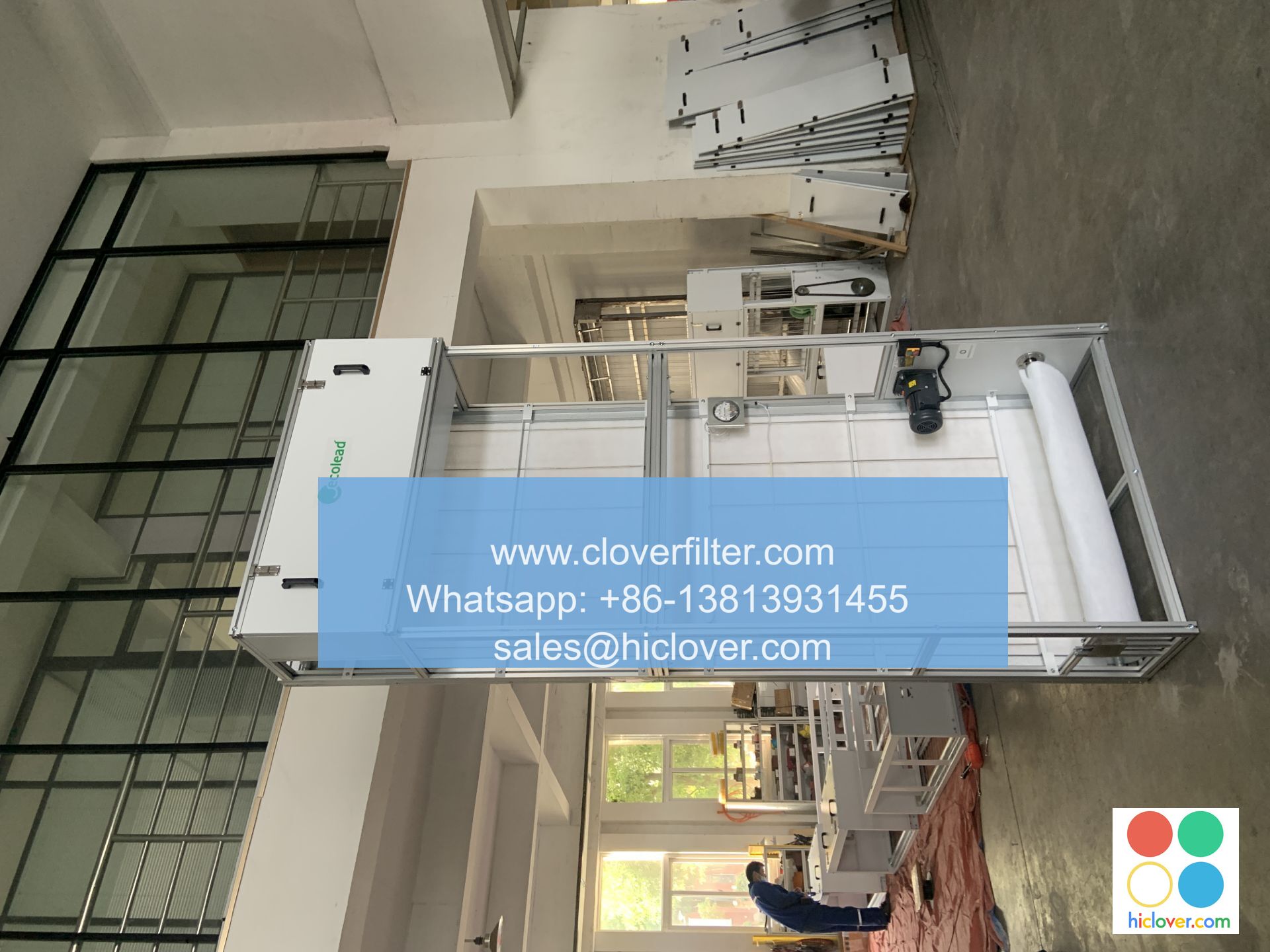
In today’s world, the importance of clean air in educational institutions cannot be overstated. A healthier learning environment leads to improved student performance, enhanced focus, and overall well-being. To achieve this, air filter organizations have developed a variety of solutions tailored specifically for schools, colleges, and universities. This article explores the innovative technologies and strategies these organizations employ to enhance indoor air quality (IAQ) in educational settings.
Understanding the Need for Air Filtration in Schools
Educational institutions are hubs of activity, accommodating large groups of students and staff in confined spaces. The presence of allergens, pollutants, and pathogens can significantly impact the air quality. Air filtration is crucial for mitigating these concerns, ensuring students and teaching staff breathe clean air.
Key Solutions Offered by Air Filter Organizations
1. High-Efficiency Particulate Air (HEPA) Filters
HEPA filters have become a standard recommendation in air filtration systems for schools. These filters can capture 99.97% of particles that are 0.3 microns in size, including dust, pollen, and smoke. The integration of HEPA filters in classroom HVAC systems ensures that the air circulated is substantially cleaner.
2. Portable Air Purifiers
Air Filter Organizations often recommend portable air purifiers for classrooms or specific areas in schools. These compact devices can provide effective air cleaning on a smaller scale, making them ideal for spaces where air circulation might be limited. They offer flexibility and are easy to deploy in various educational settings.

3. UV-C Light Technology
Some advanced air filtration systems incorporate UV-C light technology to disinfect the air and surfaces. This technology is particularly effective at neutralizing a wide range of microorganisms, including bacteria and viruses. Implementing UV-C systems alongside traditional filtration can enhance safety in school environments.
4. Regular Maintenance and Monitoring
Air Filter Organizations emphasize the importance of routine maintenance and monitoring of air quality. Regular filter changes, system cleaning, and air quality assessments are essential to ensure the effectiveness of air filtration solutions over time. Schools that implement these practices can maintain optimal IAQ consistently.
Application Areas of Air Filtration Solutions
Classrooms
Classrooms are the core of educational institutions where students spend most of their time. Ensuring the air quality here is paramount. Effective filtration systems help reduce absenteeism caused by respiratory issues.
Libraries and Study Rooms
Libraries and study rooms necessitate quiet environments. Equipped with HEPA filters or portable air purifiers, these spaces can offer students a distraction-free zone with clean air, promoting better concentration and cognitive function.
Laboratories and Technical Workshops
In science labs and technical workshops, the potential for hazardous air particles is heightened. Implementing advanced air filtration systems can safeguard students and staff, ensuring compliance with safety regulations and enhancing health standards during practical sessions.
Conclusion
In conclusion, air quality plays a pivotal role in the efficacy of educational experiences. By partnering with air filter organizations, schools can implement various air filtration solutions tailored to their unique needs. From HEPA filters and portable purifiers to UV-C technology and regular maintenance protocols, these organizations provide comprehensive strategies to foster a healthier learning atmosphere. As policymakers and educational leaders recognize the importance of clean air, investments in effective air filtration will undoubtedly become a top priority.
Of course! What kind of prompt are you looking for? It could be for writing, brainstorming, a creative project, or something else. Please provide some details!
