Air Filter Papers: A Key Factor in Reducing Odors and VOCs in Veterinary Clinics
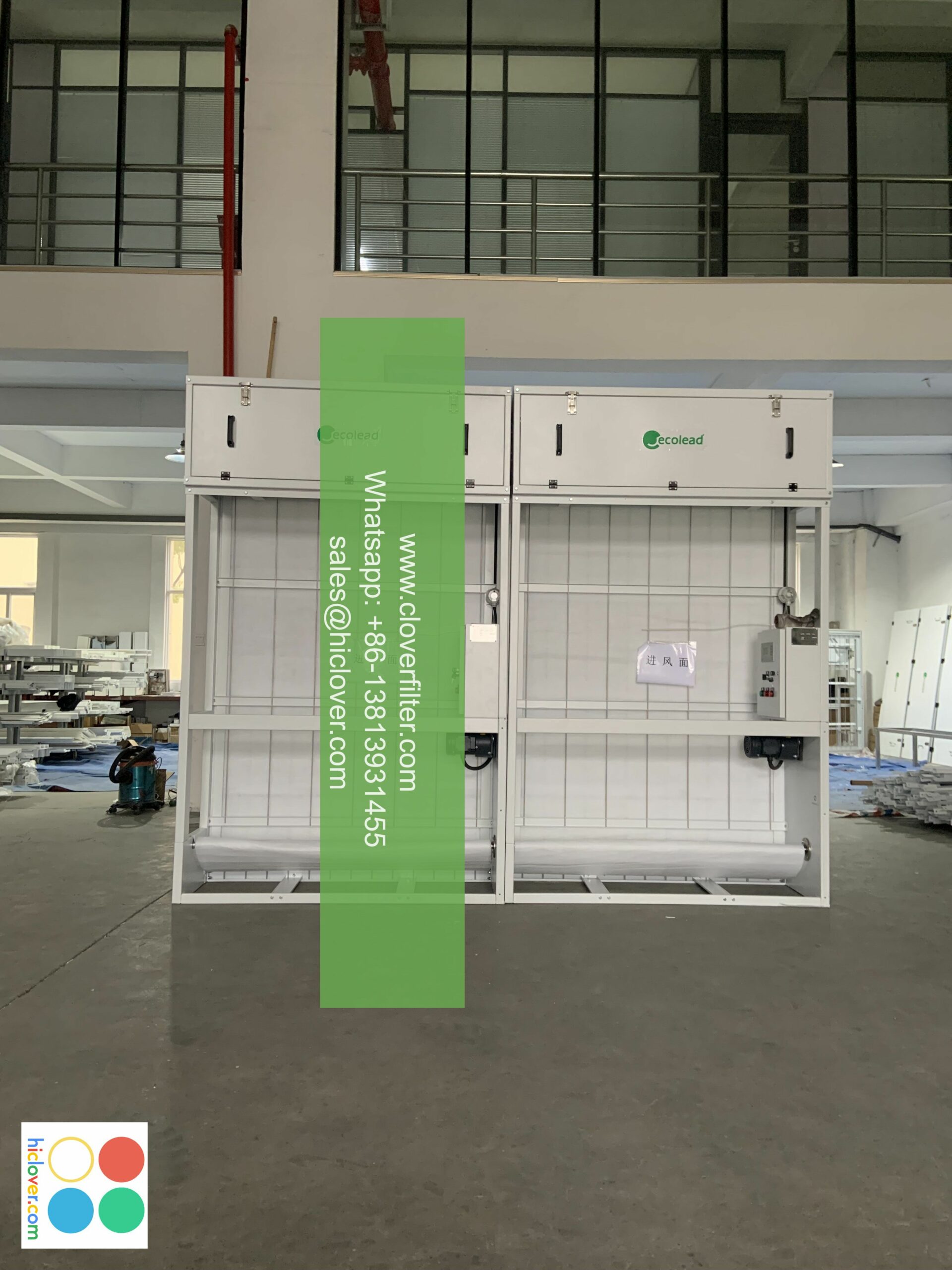
In veterinary clinics, maintaining a healthy and pleasant environment is essential not only for animals but also for staff and clients. One of the technologies that has proven invaluable in achieving this goal is air filter papers. These specialized materials play a crucial role in minimizing odors and volatile organic compounds (VOCs) that can accumulate in veterinary settings.
The Importance of Air Quality in Veterinary Clinics

Improving air quality is vital in veterinary clinics for several reasons. First, animals with respiratory issues, such as asthma or allergies, are particularly sensitive to poor air quality. Secondly, the presence of odorous substances can lead to a negative experience for pet owners, potentially affecting their perception of the clinic. Lastly, VOCs emitted from cleaning products and grooming supplies can pose health risks to both staff and animals.
How Air Filter Papers Work
Air filter papers are designed to capture particulate matter, allergens, bacteria, and VOCs. The composition of these filters typically includes layers of cellulose or synthetic fibers that trap harmful substances while allowing clean air to flow through. By integrating high-quality filter papers into ventilation systems, veterinary clinics can significantly reduce the presence of undesirable odors and VOCs.
Applications of Air Filter Papers in Veterinary Clinics
The application of air filter papers in veterinary clinics extends to various areas of the clinic environment:
- Consultation Rooms: The air filter papers can be installed in HVAC systems to eliminate odors from pets, ensuring a more pleasant experience for clients and staff.
- Grooming Areas: Grooming products often release strong fragrances and VOCs. Filter papers help to neutralize these odors, contributing to better air quality.
- Recovery Rooms: After undergoing anesthesia or treatment, animals can emit several compounds. Effective air filtration is crucial in post-operative recovery sections to support the health of sensitive patients.
- Laboratories: In laboratory settings, avoiding contamination and controlling air quality is vital. Air filter papers help maintain a clean workspace while minimizing hazardous VOC exposure.
- Waiting Areas: A clean, odor-free waiting area enhances the client experience, and air filter papers can help achieve this by continuously cycling and purifying the air.
The Environmental Benefits of Using Air Filter Papers
In addition to improving air quality, using air filter papers has environmental advantages. Many modern filter papers are designed to be eco-friendly, utilizing sustainable materials that can be recycled or disposed of with minimal environmental impact. By choosing environmentally responsible options, veterinary clinics can contribute to a healthier planet while providing a safer environment for their patients and clients.
Selecting the Right Air Filter Papers
When selecting air filter papers for a veterinary clinic, several factors should be considered:
- Efficiency Ratings: Look for filters with high efficiency in capturing small particles and VOCs.
- Material Composition: Choose filter papers that are made from non-toxic and sustainable materials to ensure safety for both animals and humans.
- Compatibility: Ensure that the filters are compatible with existing HVAC systems to maximize performance.
Conclusion
In conclusion, air filter papers are an essential component in reducing odors and VOCs in veterinary clinics. By improving air quality, these filter papers not only enhance the comfort of pets and their owners but also contribute to a healthier workplace for veterinary staff. As more clinics recognize the importance of air quality, the integration of high-quality air filter papers will continue to play a pivotal role in maintaining a clean and inviting clinical environment.
It seems like you might want to engage in a specific topic or ask for a particular type of assistance. Could you please provide more details or specify a prompt you’d like me to respond to?
