Air Filter Performance Evaluation for Nuclear Power Plants
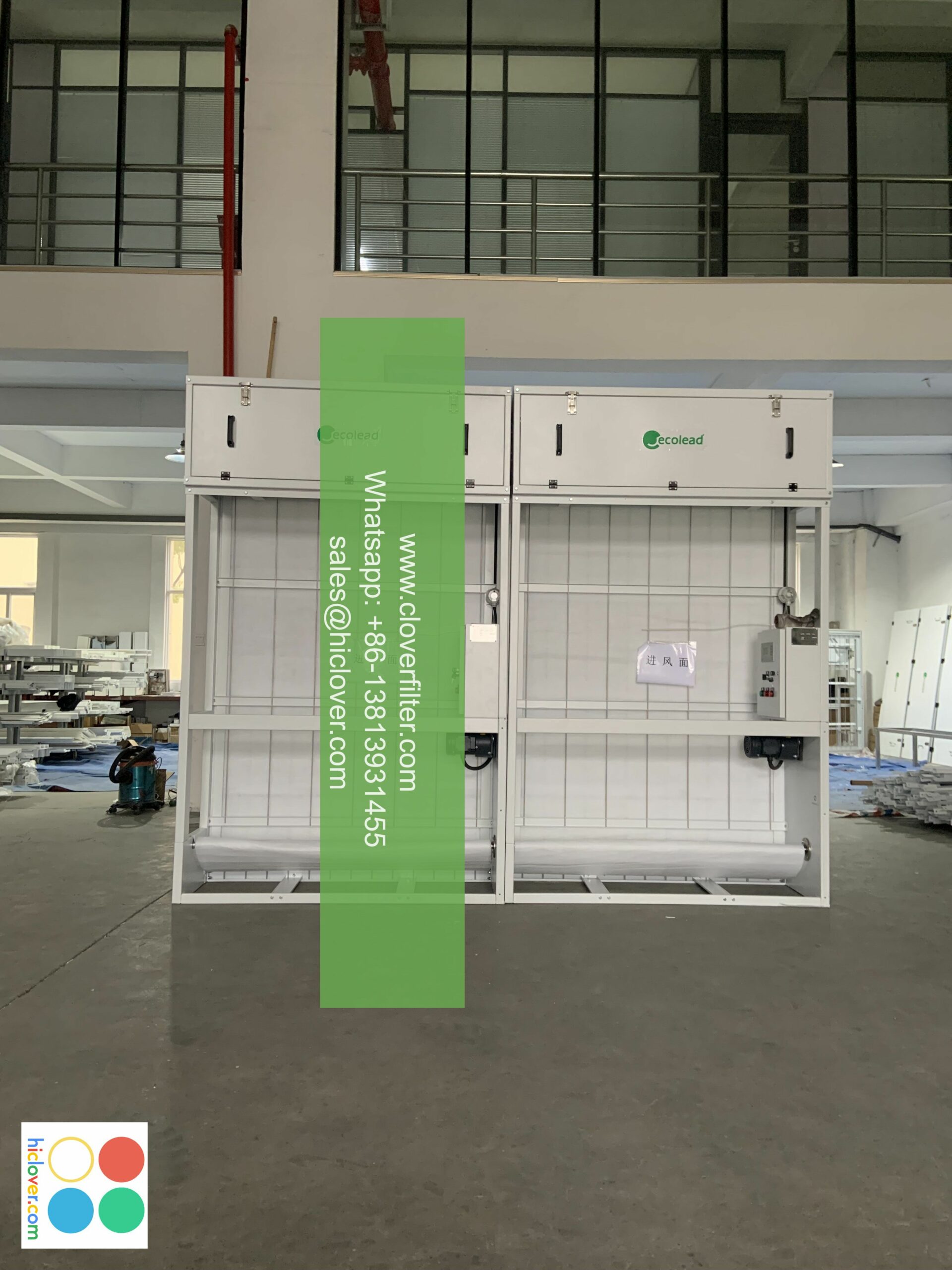
A robust and efficient air filtration system is paramount in ensuring the safety and operational integrity of nuclear power plants (NPPs). In this article, we delve into the performance evaluation of air filters specifically designed for the unique challenges presented by nuclear facilities.
Importance of Air Filters in Nuclear Power Plants

Air filters play a crucial role in nuclear power plant safety and environmental protection. They help maintain air quality within the plant and prevent the release of radioactive particles into the atmosphere. Effective filtration systems ensure:
- Compliance with safety standards
- Protection of workers and public health
- Minimization of environmental impact
Types of Air Filters Used
Nuclear power plants utilize various types of air filters, each serving specific purposes:

- HEPA Filters: High-Efficiency Particulate Air (HEPA) filters capture 99.97% of particles larger than 0.3 microns, making them ideal for preventing radioactive contamination.
- Carbon Filters: Activated carbon filters are essential for adsorbing gaseous pollutants, including radioactive iodine, thereby ensuring safe air quality.
- Pre-filters: These filters extend the life of main filters by capturing larger particles and protecting downstream filtration components.
Performance Evaluation Methodologies
To guarantee effectiveness, air filters must undergo rigorous performance evaluations. Key methodologies include:
- Particle Size Testing: Evaluating filter efficiency at various particulate sizes to determine the filter’s overall effectiveness in trapping particles.
- Airflow Resistance Testing: Assessing the pressure drop across the filter to ensure optimal airflow while maintaining filtration efficiency.
- Dust Loading Tests: Simulating real-world conditions by challenging filters with specific dust loads to assess their long-term performance and durability.
Applications of Air Filter Performance Evaluation
Performance evaluations are integral across various application areas within nuclear power plants:
- Control Room Ventilation: Ensuring that air filters in control rooms operate optimally to maintain a safe and breathable environment for personnel.
- Reactor Building: Protecting the reactor from airborne contaminants and maintaining strict radiological controls.
- Spent Fuel Pools: Filtering air in spent fuel pool areas to prevent radioactive particles from escaping into the atmosphere.
Conclusion
In conclusion, air filter performance evaluation is a critical component in maintaining the safety and efficiency of nuclear power plants. By utilizing advanced filtration technologies and adhering to stringent testing methods, NPPs can ensure compliance with health and safety standards while effectively protecting both personnel and the environment. Continuous improvement in air filter technology and evaluation methodologies will further enhance the safety of nuclear energy production in the future.
It looks like you provided just the word “Prompt.” Could you please provide more details or specify what you’re looking for? Whether it’s a writing prompt, a specific question, or something else, I’m here to help!
