Air Filter Performance in Extreme Environments: A Statistical Study
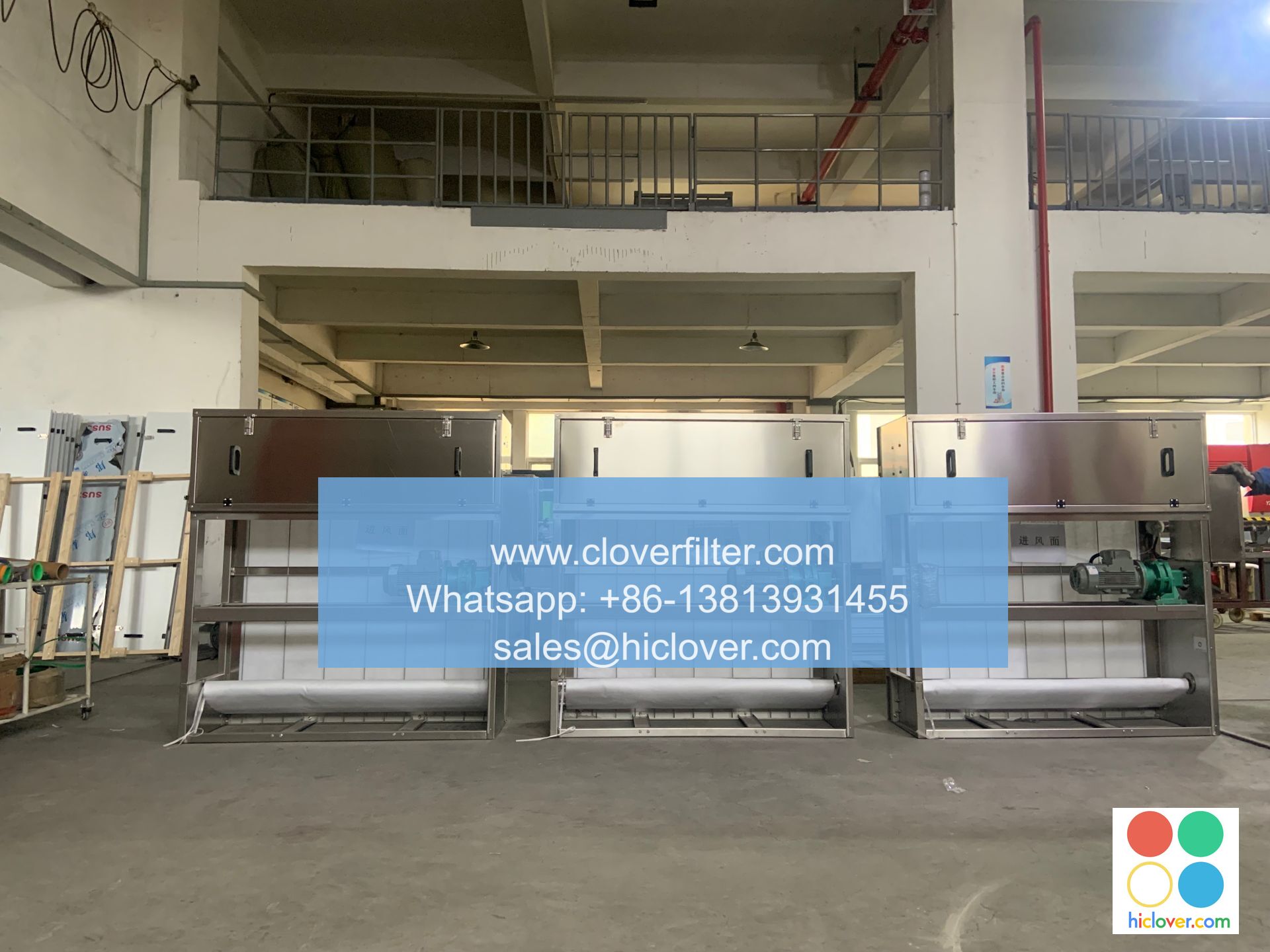
Air filters are a crucial component in various industries, including heating, ventilation, and air conditioning (HVAC), industrial processes, and cleanroom technology. Their primary function is to remove airborne contaminants, such as particulate matter (PM), gases, and microorganisms, to ensure a safe and healthy environment. However, air filters are often exposed to extreme environments, including high temperatures, high humidity, and corrosive gases, which can significantly impact their performance. In this article, we will discuss the results of a statistical study on air filter performance in extreme environments and highlight various application areas.
Introduction to Air Filter Performance
Air filter performance is typically evaluated based on their efficiency, pressure drop, and service life. The efficiency of an air filter is measured by its ability to capture particulate matter (PM) of a specific size, while the pressure drop refers to the resistance to airflow caused by the filter. The service life of an air filter depends on various factors, including the type of filter media, airflow rate, and operating conditions.
Extreme Environments and Air Filter Performance
Extreme environments can significantly impact air filter performance. For example, high temperatures can cause the filter media to degrade, leading to a decrease in efficiency and an increase in pressure drop. High humidity can also affect air filter performance by causing the filter media to become saturated, leading to a decrease in efficiency and an increase in pressure drop. Additionally, corrosive gases can damage the filter media and the filter’s structural components, leading to a decrease in service life.
Statistical Study Methodology
The statistical study was conducted using a design of experiments (DOE) approach, where air filters were exposed to various extreme environments, including high temperatures, high humidity, and corrosive gases. The performance of the air filters was evaluated based on their efficiency, pressure drop, and service life. The data was analyzed using statistical process control (SPC) techniques, including analysis of variance (ANOVA) and regression analysis.
Results and Discussion
The results of the statistical study showed that air filter performance is significantly affected by extreme environments. The study found that high temperatures had the most significant impact on air filter performance, followed by high humidity and corrosive gases. The study also found that the type of filter media and airflow rate had a significant impact on air filter performance.
Application Areas
The results of this study have significant implications for various application areas, including:
* Industrial processes: Air filters are used in various industrial processes, including chemical processing, pharmaceutical manufacturing, and food processing. The results of this study can be used to optimize air filter performance in these applications.
* Heating, ventilation, and air conditioning (HVAC): Air filters are used in HVAC systems to remove airborne contaminants and improve indoor air quality. The results of this study can be used to optimize air filter performance in HVAC systems.
* Cleanroom technology: Air filters are used in cleanrooms to remove airborne contaminants and maintain a controlled environment. The results of this study can be used to optimize air filter performance in cleanrooms.
* Aerospace and defense: Air filters are used in aerospace and defense applications, including aircraft and missile systems. The results of this study can be used to optimize air filter performance in these applications.
Conclusion
In conclusion, the results of this statistical study demonstrate the significant impact of extreme environments on air filter performance. The study highlights the importance of selecting the right air filter for a specific application and operating condition. The results of this study can be used to optimize air filter performance in various application areas, including industrial processes, HVAC, cleanroom technology, and aerospace and defense. By understanding the effects of extreme environments on air filter performance, manufacturers and users can design and operate air filtration systems that provide optimal performance and indoor air quality. It seems like you’re ready to start a conversation or ask a question, but you haven’t provided any details yet. What’s on your mind? Would you like to discuss a specific topic, ask for advice, or perhaps explore a particular subject? I’m here to help with any questions or topics you’d like to discuss!
