Air Filter Platforms for Airport and Transportation Hub Applications: Controlling Airborne Pathogens and Infectious Diseases
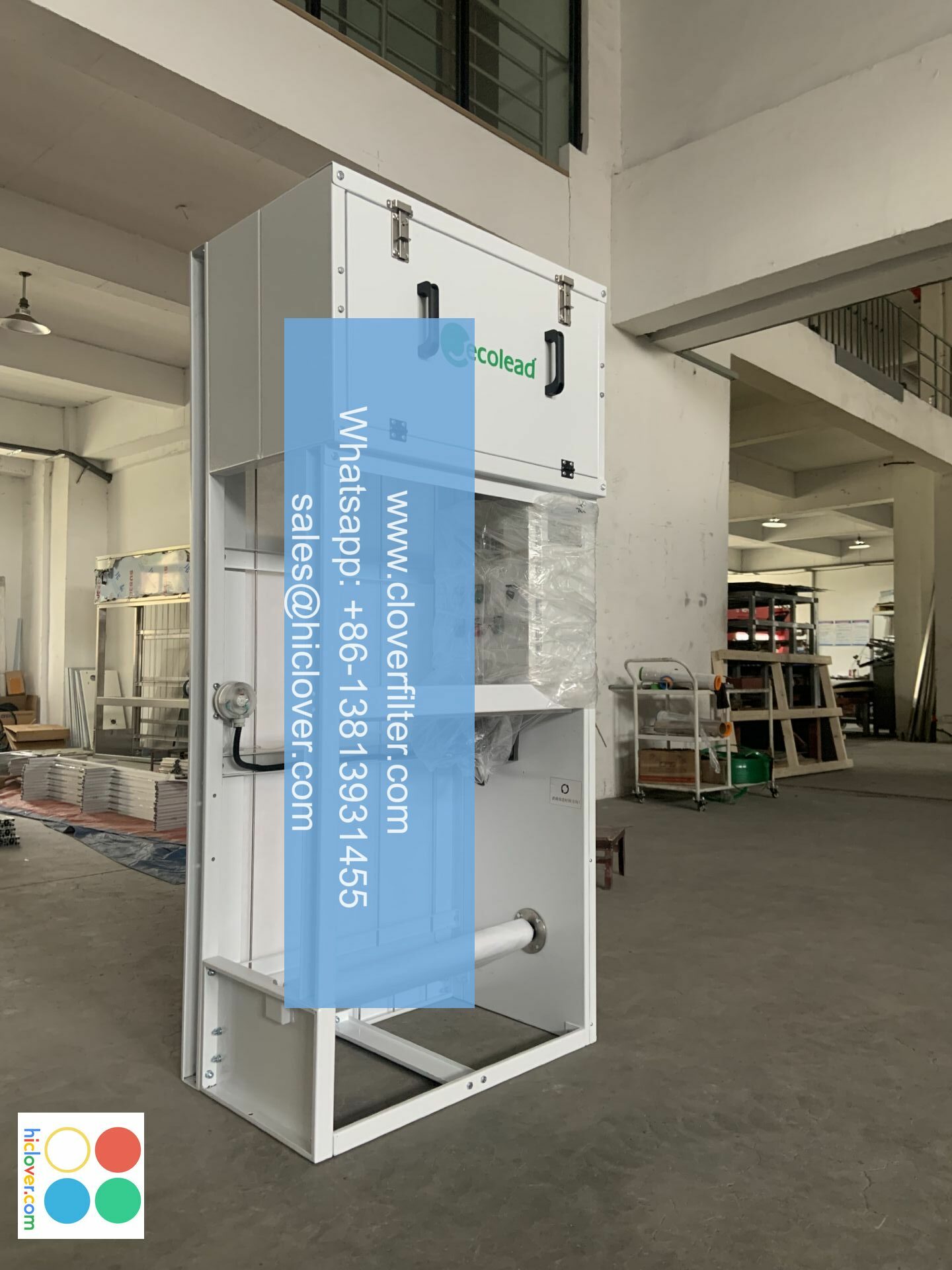
Controlling Airborne Pathogens and Infectious Diseases

Introduction
As global travel continues to expand, the need for effective air quality management in airports and transportation hubs has never been more critical. Airborne pathogens and infectious diseases pose significant risks to travelers and staff, necessitating advanced solutions in air filtration technology. This article explores the benefits and applications of air filter platforms designed to enhance air quality in transportation settings.
The Importance of Air Quality Management
Controlling airborne pathogens is essential in environments such as airports, bus stations, and train terminals where the density of people can lead to rapid transmission of diseases. Effective air filtration systems play a crucial role in reducing the presence of viruses, bacteria, and other contaminants in the air. With the advent of the COVID-19 pandemic, the emphasis on maintaining high air quality standards has surged, prompting facilities to invest in robust air filter platforms.

Key Features of Air Filter Platforms
- HEPA Filtration: High-Efficiency Particulate Air (HEPA) filters are capable of capturing 99.97% of particles that are 0.3 microns in diameter, including viruses and allergens.
- UV-C Light Technology: Ultraviolet light can be used in conjunction with air filtration to inactivate pathogens, providing an extra layer of protection.
- Smart Monitoring Systems: Integrating IoT technology allows real-time monitoring of air quality, enabling swift responses to changes in pollution levels or pathogen counts.
Application Areas for Air Filter Platforms
1. Airports
Airports are busy hubs of international activity, making them high-risk areas for the spread of infectious diseases. Proper air filtration systems can significantly lower transmission risks by purifying the air in waiting areas, terminals, and lounges.
2. Train Stations
Similar to airports, train stations are characterized by high foot traffic. Air filter platforms can maintain clean and healthy air, offering peace of mind to travelers and ensuring a safer commuting experience.
3. Bus Terminals
Bus terminals often serve as interim stops where diseases can quickly spread. Implementing advanced air filters can help mitigate this risk, protecting both passengers and staff from airborne threats.
4. Subways and Metro Systems
The enclosed nature of subway systems makes them particularly vulnerable to airborne pathogens. Reliable air filtration solutions can improve air quality and reduce health risks for millions of daily commuters.
Conclusion
As public transport systems adapt to meet new health standards, innovative air filter platforms play a pivotal role in the fight against airborne pathogens and infectious diseases. By investing in advanced air filtration technology, airports and transportation hubs can ensure safer environments for both travelers and staff. The need for clean air is paramount, and embracing these technologies is a vital step towards achieving it.
It seems like your message got cut off. Could you please provide more details or specify the prompt you’d like to discuss or work on? I’m here to help!
