Air Filter Platforms for Food Processing and Packaging Applications: Controlling Contaminants and Particulates
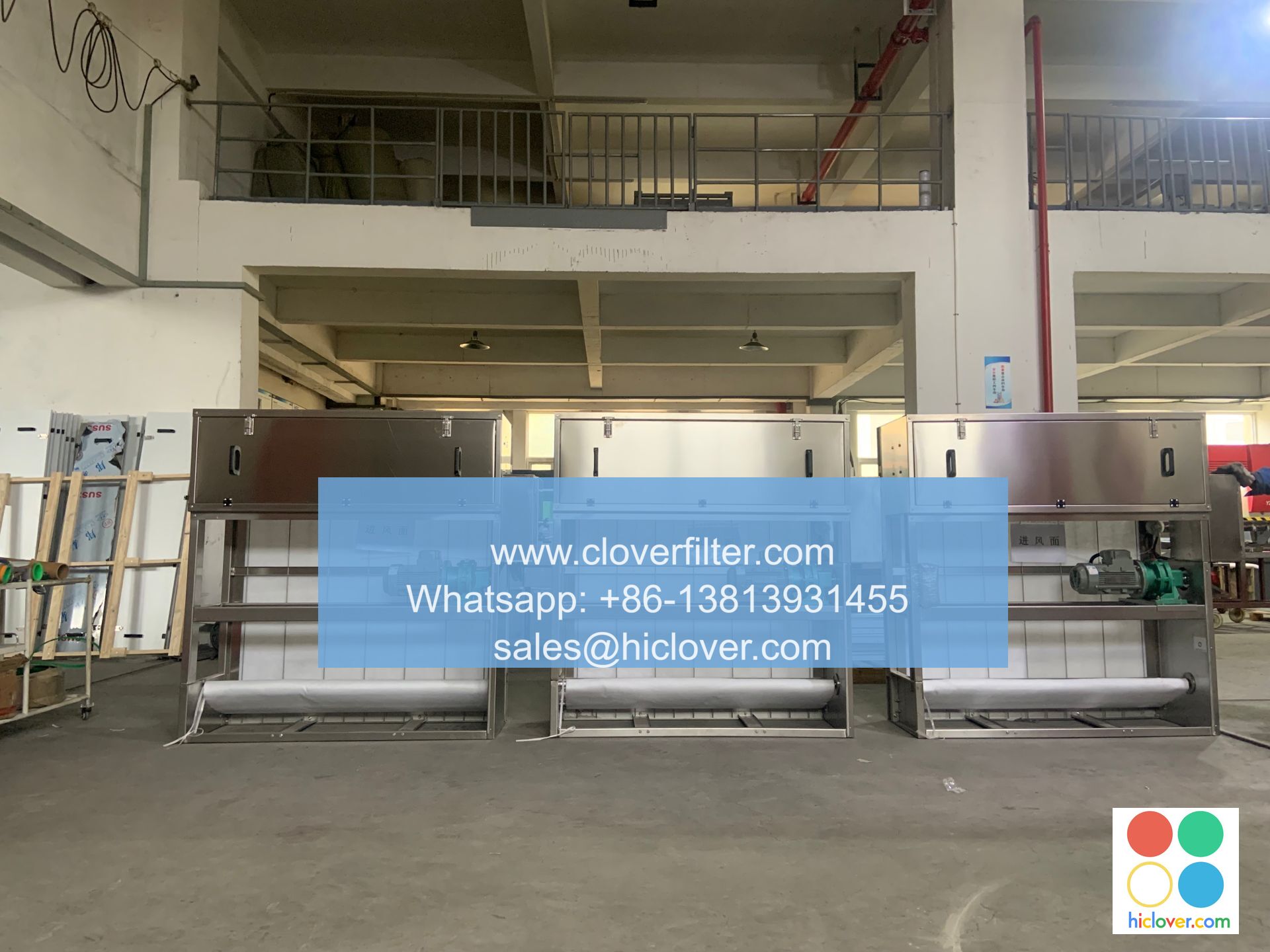
In the food processing and packaging industries, maintaining a clean and safe environment is crucial for ensuring product quality and consumer safety. One of the most effective ways to achieve this is through the use of air filter platforms. These systems play a vital role in controlling both contaminants and particulates, which can compromise food safety and product integrity.
The Importance of Air Quality in Food Processing

Food processing facilities are susceptible to airborne contaminants, including dust, microbial agents, and chemical pollutants. Poor air quality can lead to significant risks, such as product contamination and spoilage. By utilizing advanced air filter platforms, food manufacturers can effectively maintain air quality standards that meet regulatory requirements and industry benchmarks.
How Air Filter Platforms Function
Air filter platforms are designed to capture and remove unwanted particles and contaminants from the air before they can settle on food products or packaging materials. These systems typically employ HEPA filters, electrostatic precipitators, and other filtration technologies to ensure effective removal of particulates down to a fine size.
Key Features of Air Filter Platforms
- High Efficiency: Capable of filtering out 99.97% of particles as small as 0.3 microns.
- Scalability: Systems can be customized to fit the specific needs of different food processing applications.
- Low Maintenance: Designed for easy maintenance and long-term reliability.
Applications in Food Processing
Air filter platforms find application in various stages of food processing:
1. Raw Material Handling
During the handling of raw ingredients, particulates such as flour dust or seed husks can become airborne. Implementing air filtration at this stage helps prevent cross-contamination and ensures a cleaner workspace.
2. Cooking and Preparation Areas
In areas where cooking and food preparation take place, controlling the temperature and air quality is essential. Air filters help reduce odors and eliminate airborne microbes, contributing to a safer cooking environment.
3. Packaging Lines
During the packaging process, any contaminants can lead to product spoilage. Air filters help maintain a dust-free environment around packaging lines, thus preserving product integrity.
Impact on Food Quality and Safety
By integrating air filter platforms in food processing and packaging applications, manufacturers can significantly improve food quality and safety. Enhanced air quality minimizes the risk of microbial contamination and extends shelf life, fulfilling both consumer expectations and regulatory standards.
Conclusion
In conclusion, air filter platforms play a crucial role in controlling contaminants and particulates in food processing and packaging applications. With their ability to enhance air quality, these systems become indispensable in safeguarding food safety and ensuring the quality of products. Investing in advanced air filtration not only protects consumers but also helps businesses comply with stringent industry regulations, making it a wise choice for any food-related operation.
It seems like your message got cut off. How can I assist you today? If you have a specific prompt or topic in mind, feel free to share it!
