Air Filter Platforms for Industrial and Manufacturing Applications: Controlling Dust and Particulates
Introduction
In the fast-paced world of industrial and manufacturing, maintaining a clean and safe environment is paramount. One of the key components of achieving this is through the effective use of air filter platforms. These systems are designed specifically to control dust and particulates, ensuring compliance with safety standards and enhancing overall workplace efficiency.

Understanding Air Filter Platforms
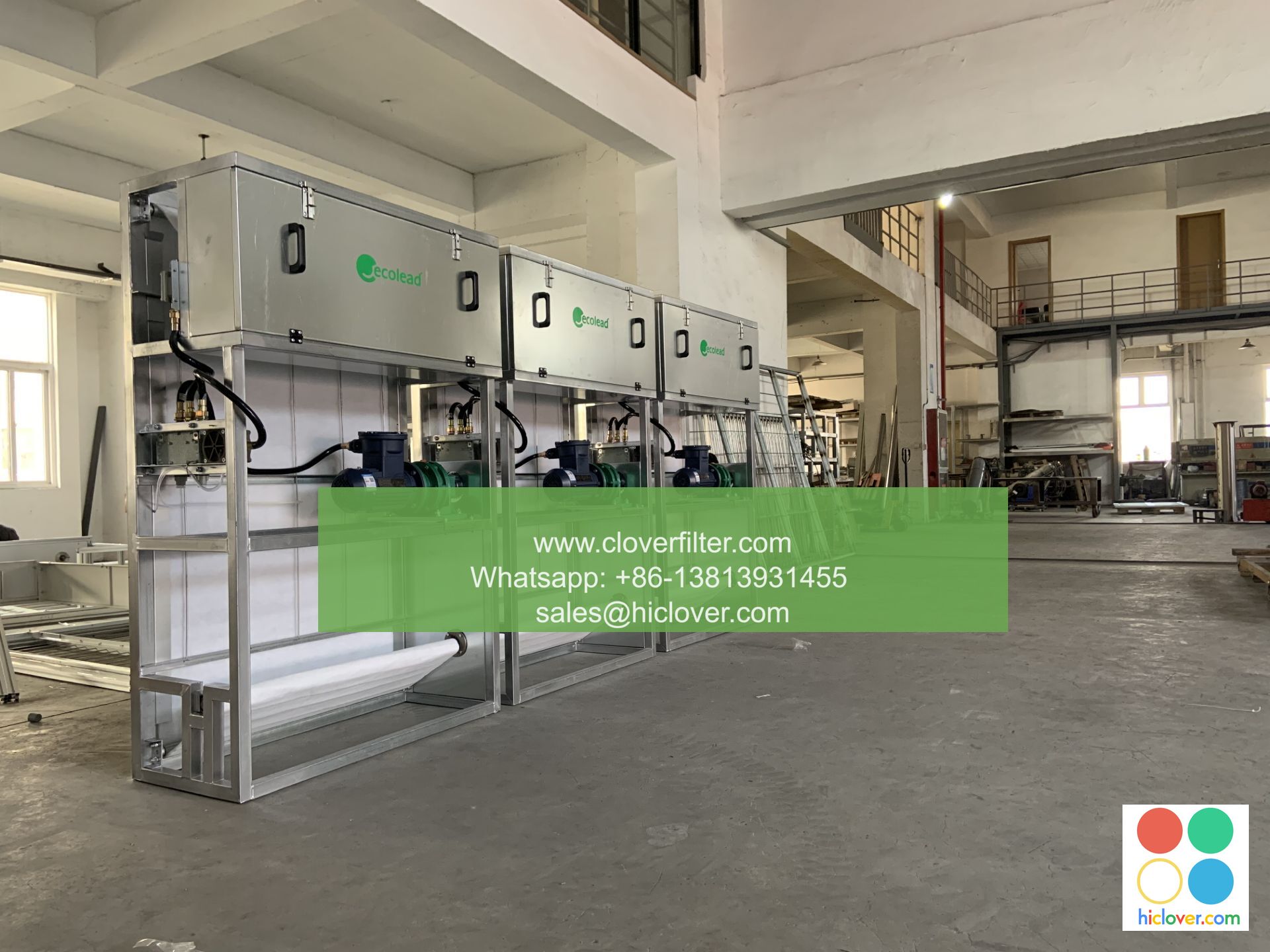
Air filter platforms comprise a range of technologies designed to capture and isolate harmful airborne particles. These platforms are critical in minimizing dust, smoke, and other particulates that can affect machinery, products, and employee health.
Types of Air Filters Used
Several types of air filters are employed in industrial settings, including:
- HEPA Filters: Efficient in capturing 99.97% of particulate matter.
- Electrostatic Filters: Utilize an electric charge to attract particles.
- Carbon Filters: Effective for removing volatile organic compounds (VOCs) and odors.
- Improved Air Quality: Enhances the overall health and safety of the workplace.
- Regulatory Compliance: Helps meet environmental regulations and standards.
- Cost Savings: Reduces equipment maintenance costs and can prevent costly shutdowns.
Key Applications in Various Industries
From manufacturing to pharmaceuticals, effective dust and particulate control is crucial across a multitude of industries. Here are some prominent application areas:
1. Manufacturing Plants
In manufacturing, the generation of particulates during processes such as grinding or cutting can pose significant risks. Air filter platforms help mitigate these risks, reducing equipment wear and maintaining product quality.
2. Pharmaceutical Industry
In the pharmaceutical industry, maintaining stringent air quality standards is vital. Air filter systems ensure that airborne contaminants do not compromise product integrity or patient safety.
3. Food Processing
For food processing plants, controlling dust and particulates is crucial to comply with health regulations and ensure food safety. Effective air filtration systems contribute to a cleaner production environment.
4. Warehousing and Distribution
In warehouses, controlling dust is essential, especially in locations where outgassing from stored products can introduce harmful particulates into the air. Air filtration solutions help in maintaining a healthy atmosphere for employees.
Benefits of Implementing Air Filter Platforms
The implementation of air filter platforms in industrial and manufacturing applications provides numerous benefits:
Conclusion
As industrial and manufacturing sectors continue to evolve, the importance of air filter platforms in controlling dust and particulates cannot be overstated. Investing in these systems not only enhances employee health and safety, but also promotes operational efficiency and compliance with industry regulations.
It seems that you may have intended to provide additional details or context for a prompt. Could you please clarify or expand on what you’re looking for? Whether it’s creative writing, a question, or something else, I’m here to help!
