Air Filter Platforms for Waste Management and Recycling Facilities: Controlling Odors and Particulates
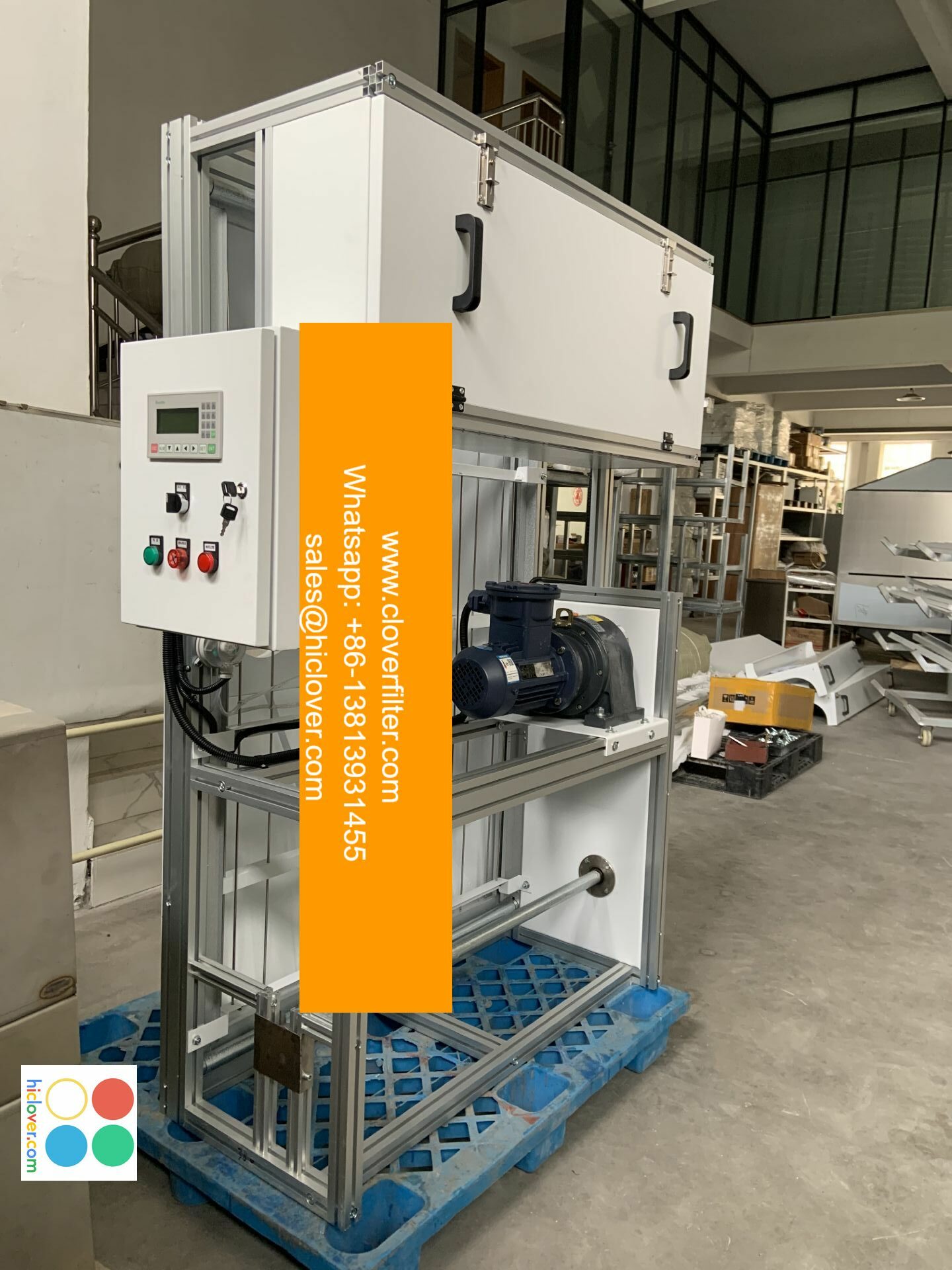
Effective waste management and recycling are critical to maintaining a sustainable environment, but they often come with significant challenges, such as odor control and particulate matter emissions. Air filter platforms play an essential role in managing these issues, ensuring that waste and recycling facilities operate efficiently and meet regulatory standards. This article explores the importance of air filter platforms, their applications, and their benefits in controlling odors and particulate emissions.
Understanding Air Filter Platforms in Waste Management

Air filter platforms are specialized systems designed to improve air quality in various environments, including waste management and recycling facilities. These platforms utilize advanced filtration technologies to capture and eliminate odors, dust, and other particulate contaminants. By integrating these systems into facility design, operators can significantly enhance the work environment and minimize the impact on surrounding communities.
Key Technologies and Features
- Activated Carbon Filters: Known for their ability to adsorb a wide range of volatile organic compounds (VOCs) and odors, activated carbon filters are essential in controlling unpleasant smells from organic waste.
- HEPA Filters: High-Efficiency Particulate Air (HEPA) filters can trap particulates as small as 0.3 microns, effectively reducing dust and other airborne particles that can affect air quality.
- UV Light Technology: Some air filter systems incorporate ultraviolet (UV) light to neutralize bacteria and viruses, contributing to a cleaner and safer facility.
- Electrostatic Precipitators: These devices use electrical charges to attract and capture particulate matter from the air, offering a highly efficient method for controlling dust emissions.

Applications in Waste Management and Recycling Facilities
Air filter platforms can be implemented in various areas within waste management and recycling facilities, each tailored to specific challenges:
1. Organic Waste Processing
Facilities processing organic waste, such as food scraps and yard debris, often face significant odor issues. Activated carbon filters integrated into air handling systems can effectively mitigate these odors, creating a more pleasant working environment and reducing complaints from nearby residents.
2. Material Recovery Facilities (MRFs)
MRFs handle a broad range of recyclable materials. The high activity level in these areas generates dust and airborne particles. The deployment of HEPA filters helps to maintain air quality while ensuring the health and safety of workers.
3. Landfill Gas Management
In landfill operations, the generation of methane and other gases can pose both environmental and health hazards. Air filter platforms equipped with advanced gas scrubbing technologies can capture harmful emissions, thus controlling odors and helping to meet environmental compliance standards.
4. Waste Transfer Stations
Waste transfer stations often deal with a variety of waste types, leading to complex odor and particulate issues. Multi-stage air filtration systems can provide comprehensive air quality management, addressing both odors and particulates effectively.
Benefits of Implementing Air Filter Platforms
Implementing air filter platforms in waste management and recycling facilities offers myriad benefits:
- Enhanced Air Quality: By removing harmful particulates and odors, air filter platforms contribute to healthier indoor air quality for workers.
- Regulatory Compliance: Adequate air filtration helps facilities comply with local and federal environmental regulations regarding air quality standards.
- Community Relations: Reducing odors and emissions can improve relationships with the surrounding community, minimizing complaints and fostering goodwill.
- Operational Efficiency: Improved air quality can lead to increased worker productivity and morale, enhancing overall operational efficiency.
Conclusion
Air filter platforms are essential components in waste management and recycling facilities, addressing critical issues related to odors and particulate emissions. By leveraging advanced filtration technologies and focusing on specific application areas, facility operators can dramatically improve air quality, comply with regulations, and foster a safer and more efficient work environment. The adoption of these systems is not just a regulatory necessity but a step towards a more sustainable future for waste management practices.
Of course! What kind of prompt are you looking for? It could be creative writing, a discussion topic, a question for reflection, or something else. Let me know your preference!
