Air Filter Pressure Drop and Flow Rate Calculations: A Documentation Guide
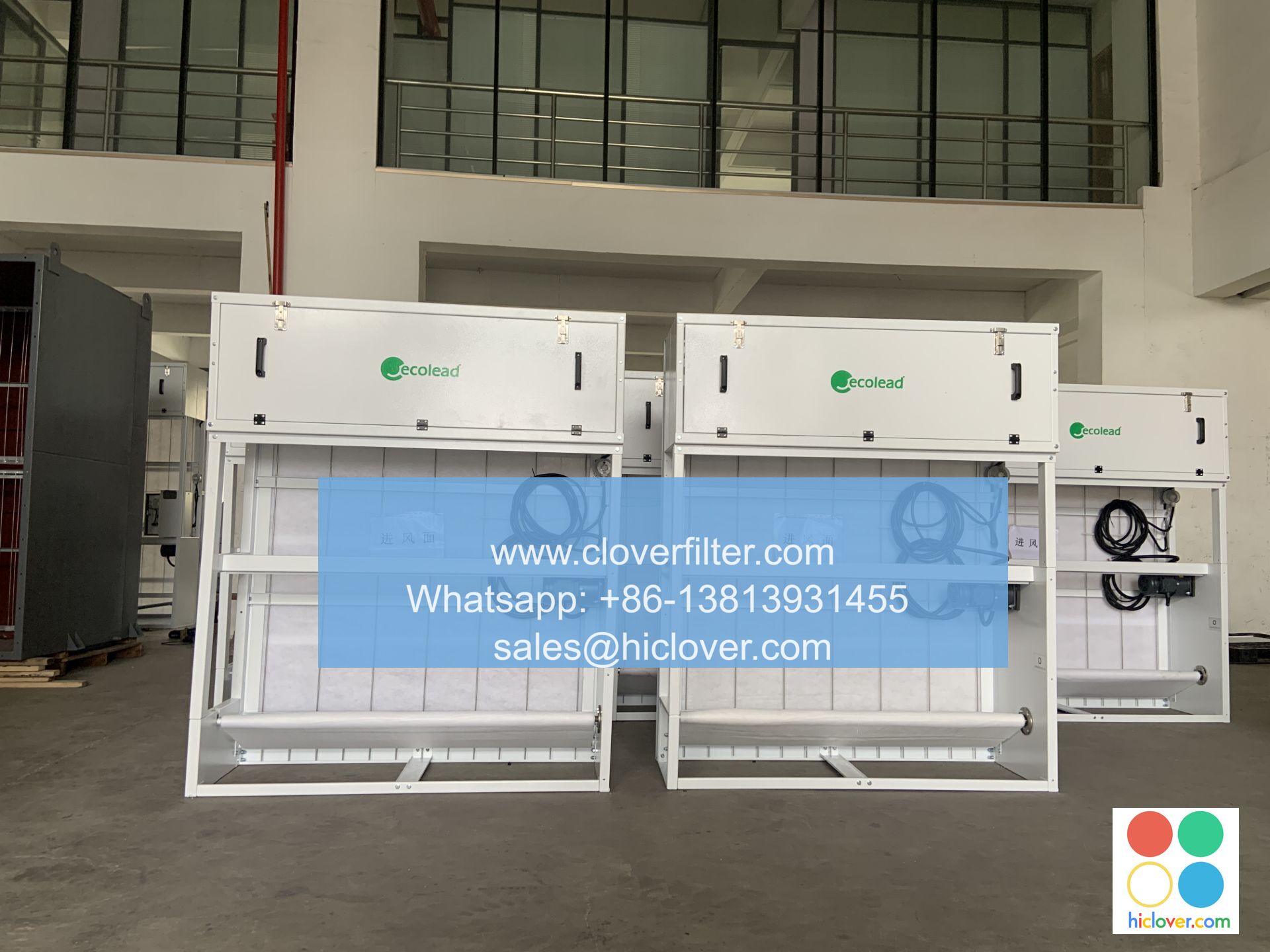
Air filter pressure drop and flow rate calculations are crucial in determining the performance and efficiency of air filtration systems in various industries, including industrial ventilation, heating, ventilation, and air conditioning (HVAC), and cleanroom technology. In this article, we will provide a comprehensive guide on how to calculate air filter pressure drop and flow rate, highlighting various application areas and best practices for air filter selection and system design.
Understanding Air Filter Pressure Drop
Air filter pressure drop refers to the pressure difference across an air filter, which is a measure of the resistance to airflow caused by the filter. The pressure drop is influenced by factors such as filter media type, filter thickness, airflow rate, and filter cleanliness. A higher pressure drop indicates a greater resistance to airflow, which can lead to increased energy consumption and reduced system performance.
Calculating Air Filter Pressure Drop
The pressure drop across an air filter can be calculated using the following formula:
ΔP = (Q x ΔP0) / (A x η)
Where:
ΔP = pressure drop (Pa)
Q = airflow rate (m3/s)
ΔP0 = reference pressure drop (Pa)
A = filter area (m2)
η = filter efficiency (%)
The reference pressure drop (ΔP0) is typically provided by the filter manufacturer and is a function of the filter media type and thickness.
Air Filter Flow Rate Calculations
The airflow rate through an air filter is a critical parameter in determining the filter’s performance and system design. The airflow rate can be calculated using the following formula:
Q = (ΔP x A) / (ρ x ΔP0)
Where:
Q = airflow rate (m3/s)
ΔP = pressure drop (Pa)
A = filter area (m2)
ρ = air density (kg/m3)
ΔP0 = reference pressure drop (Pa)

Application Areas
Air filter pressure drop and flow rate calculations are essential in various industries, including:
* Industrial ventilation: to ensure worker safety and compliance with regulations
* HVAC: to optimize system performance and energy efficiency
* Cleanroom technology: to maintain ultra-clean environments and minimize contamination risks
* Pharmaceutical and biotechnology industries: to ensure product quality and regulatory compliance
Best Practices for Air Filter Selection and System Design
To ensure optimal air filter performance and system efficiency, the following best practices should be considered:
* Proper filter sizing to match the required airflow rate and pressure drop
* Regular filter maintenance to prevent filter clogging and pressure drop increase
* Air filter selection based on filter media type, efficiency, and durability
* System design that takes into account airflow patterns, pressure drops, and energy efficiency
By following these guidelines and best practices, industries can optimize their air filtration systems, reduce energy consumption, and ensure a healthy and safe working environment. It looks like you’re ready to start a conversation or ask a question, but you haven’t given me much to work with yet. Could you please provide more details or clarify what’s on your mind? I’m here to help with any questions, provide information, or just chat about a topic that interests you.
