Air Filter Pressure Drop and Flow Rate Calculations for Commercial Buildings: A Documentation Guide
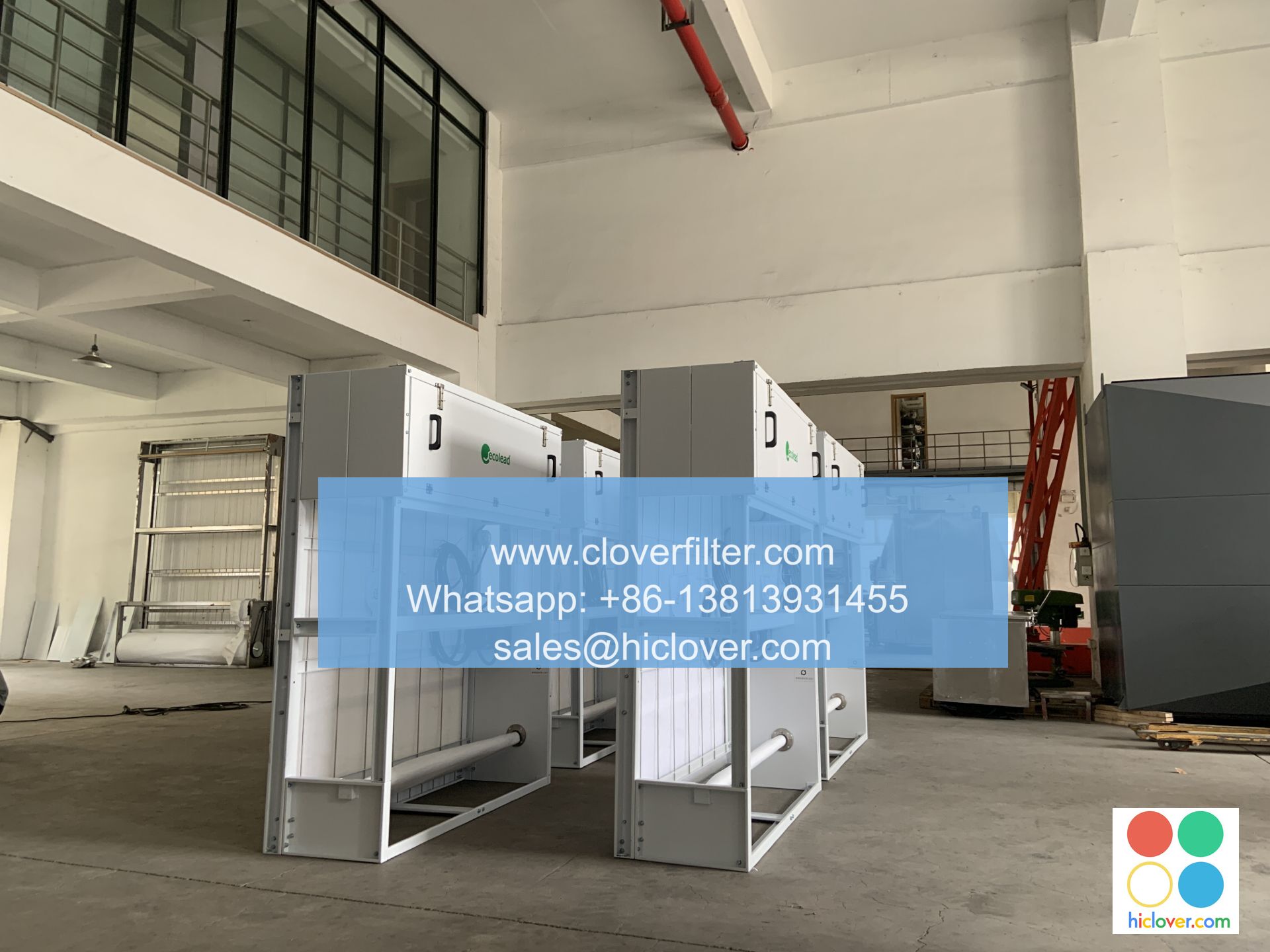
Air quality is a vital aspect of maintaining a healthy environment in commercial buildings. An essential component of ensuring optimal air quality is the use of air filters within HVAC systems. This documentation guide provides comprehensive insights into the concepts of air filter pressure drop, flow rate calculations, and their relevance within commercial building applications.
Understanding Air Filter Pressure Drop

What is Air Filter Pressure Drop?
The pressure drop across an air filter refers to the reduction in air pressure that occurs as air passes through the filter. It is crucial to monitor this parameter because a higher pressure drop may indicate that the filter is clogged, reducing efficiency and increasing energy consumption.
Why is Pressure Drop Important?
A significant pressure drop can lead to several issues, including:
- Increased energy consumption by HVAC systems
- Reduced airflow, impairing the system’s ability to maintain desired indoor air quality
- Shortened filter lifespan
- Filter size and type
- Air density and viscosity
- System design and layout
- Perform regular pressure drop measurements and flow rate calculations.
- Choose filters based on a balance of energy efficiency and air quality requirements.
- Stay updated on compliance regulations and best practices for maintaining indoor air quality.
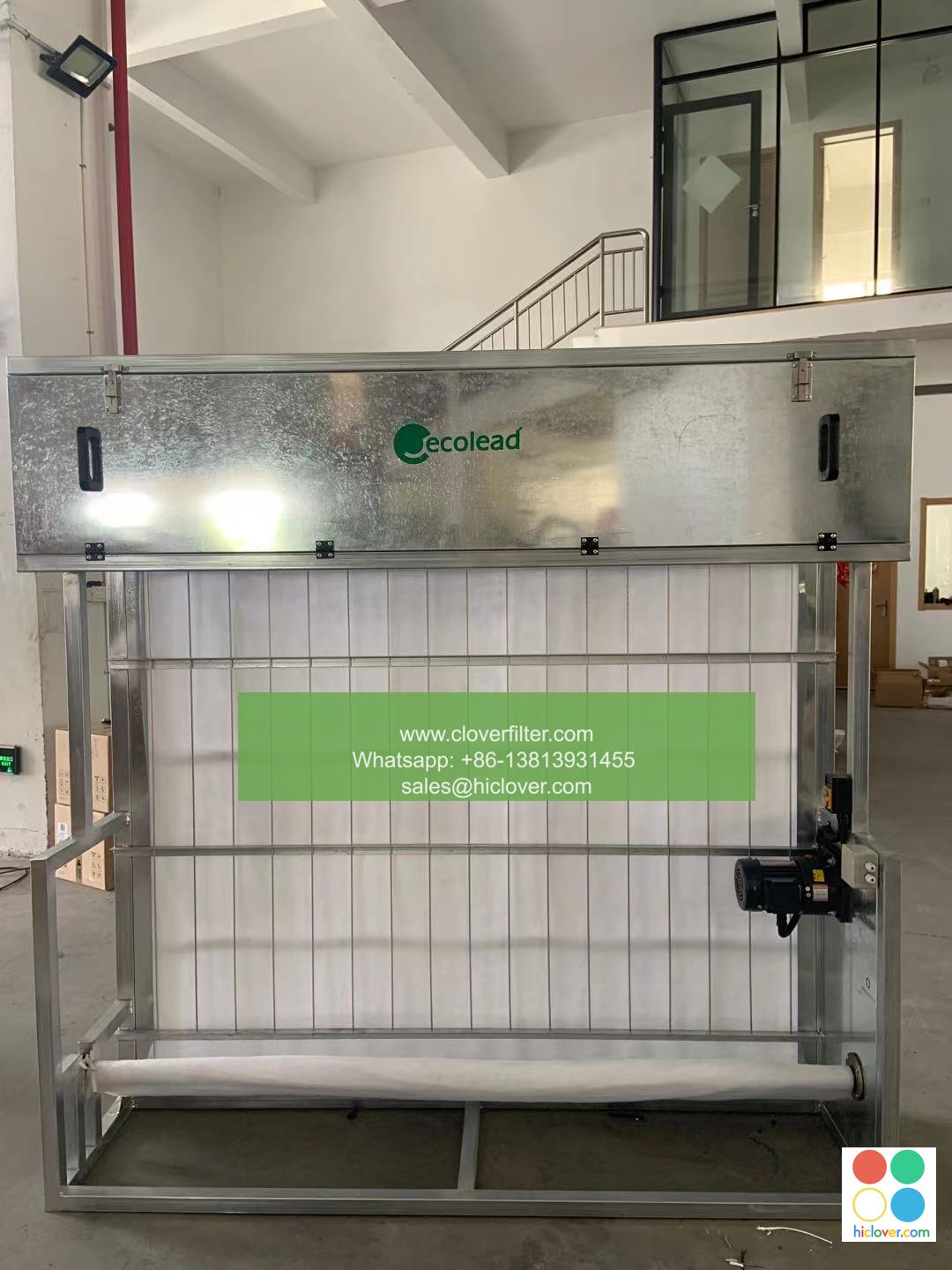
Measuring Pressure Drop
To measure pressure drop, a manometer or pressure gauge can be installed at the inlet and outlet of the air filter. The difference between these two readings will give the pressure drop across the filter.
Flow Rate Calculations
What is Flow Rate?
Flow rate refers to the volume of air that passes through the filter in a given time frame, typically measured in cubic feet per minute (CFM). Understanding the flow rate is essential because it helps in determining the appropriate size and type of filter required for a commercial building’s HVAC system.
Calculating Flow Rate
The flow rate can be calculated using the formula:
[ \text{Flow Rate (CFM)} = \frac{\text{Air Volume (Cubic Feet)}}{\text{Time (Minutes)}} ]
Example Calculation
If a building’s HVAC system cycles 10,000 cubic feet of air in 20 minutes, the flow rate would be:
[ \text{Flow Rate} = \frac{10,000 \text{ Cubic Feet}}{20 \text{ Minutes}} = 500 \text{ CFM} ]
Factors Influencing Flow Rate
Several factors can affect flow rate, including:
Applications in Commercial Buildings
HVAC System Design
Understanding pressure drop and flow rate calculations are critical when designing HVAC systems for commercial buildings. Proper calculations ensure that the systems can provide adequate ventilation and maintain air quality standards.
Filter Selection
Selecting the right filter type and size is crucial for optimal operation. High-efficiency filters typically have a higher pressure drop. Therefore, it is essential to balance efficiency with the acceptable pressure drop levels.
Energy Efficiency
Commercial buildings can achieve significant energy savings by optimizing airflow through proper pressure drop and flow rate management. Regular monitoring and adjustments can lead to improved system performance and lower operational costs.
Compliance and Standards
Adhering to local building codes and standards regarding indoor air quality (IAQ) can significantly impact the choice of filters and airflow rates. Maintaining compliance ensures a healthy environment for occupants and avoids penalties.
Conclusion
Effective management of air filter pressure drop and flow rate calculations is vital for the performance of HVAC systems in commercial buildings. By understanding these concepts and applying them diligently, property managers and engineers can enhance energy efficiency, ensure optimal air quality, and extend the lifespan of HVAC systems. Regular monitoring and updates to this documentation will promote better maintenance practices and uphold the health standards required in today’s commercial environments.
Final Recommendations
By following this guide, you can ensure that your commercial building’s air filtration system is operating efficiently and effectively.
It seems like your request is a bit unclear. Could you please provide more details or clarify what kind of prompt you are looking for? Whether it’s for creative writing, a discussion topic, or something else, I’d be happy to help!
