Air Filter Production: Designing for Sustainability
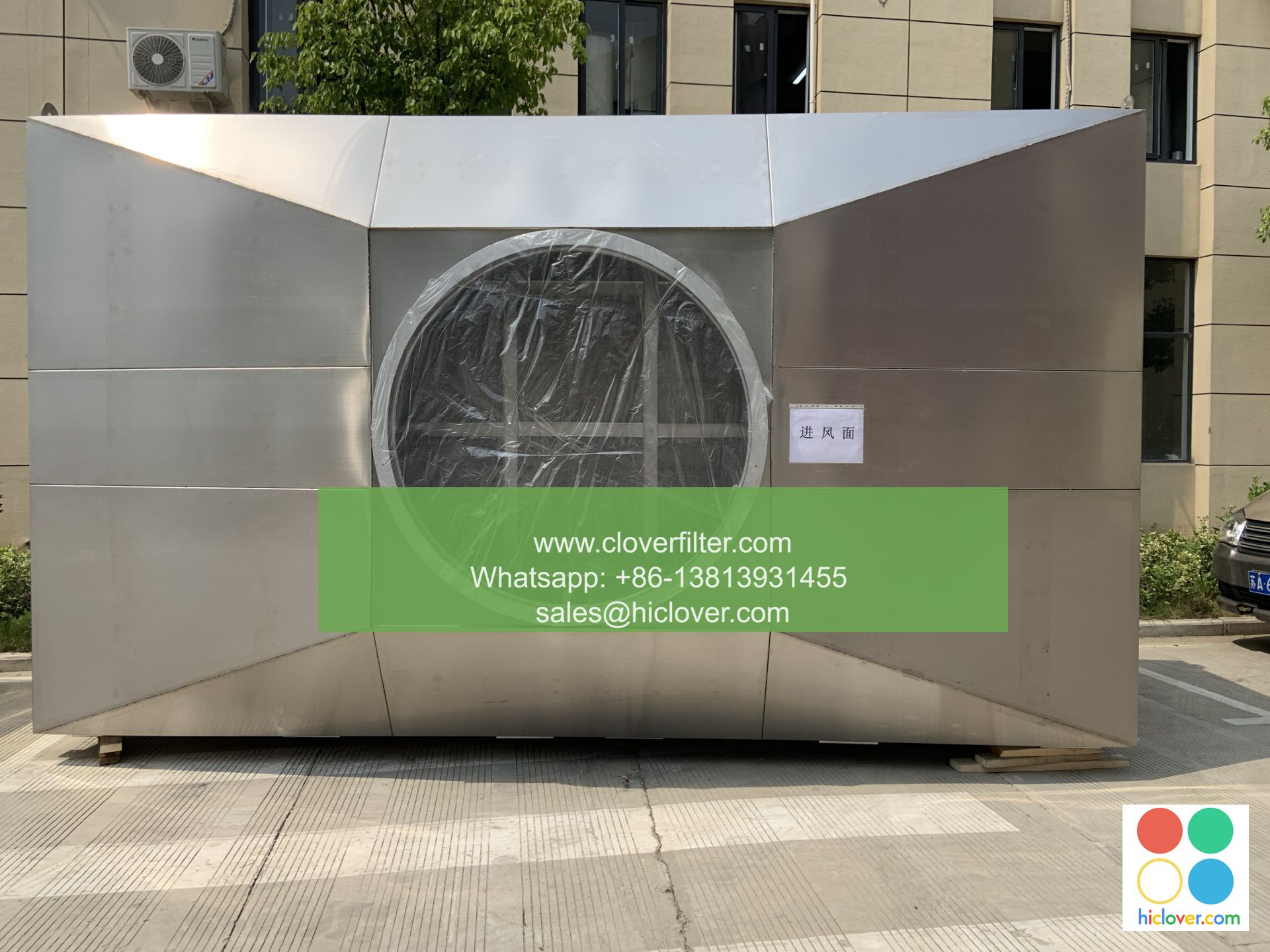
The demand for air filters has increased significantly in recent years, driven by growing concerns about indoor air quality, environmental sustainability, and energy efficiency. As a result, air filter production has become a critical industry, with manufacturers focusing on designing sustainable products that minimize environmental impact while maintaining high performance. In this article, we will explore the key aspects of air filter production, highlighting various application areas, and discussing the importance of sustainability in the design and manufacturing process.
Introduction to Air Filter Production
Air filter production involves the design, development, and manufacturing of filters that remove pollutants, contaminants, and allergens from the air. The process typically includes materials selection, filter media design, and manufacturing techniques such as pleating, framing, and sealing. With the increasing awareness of indoor air quality issues, air filters are now used in a wide range of applications, including HEPA filtration systems, air purification systems, and ventilation systems.
Sustainable Design Considerations
When designing air filters for sustainability, manufacturers must consider several key factors, including:
- Material selection: Choosing materials that are recyclable, biodegradable, or have a low environmental impact, such as natural fibers, recycled plastics, or bioplastics.
- Energy efficiency: Designing filters that minimize energy consumption, reduce pressure drop, and optimize airflow, resulting in lower energy costs and reduced greenhouse gas emissions.
- Filter media design: Developing filter media that can be easily cleaned, replaced, or recycled, reducing waste generation and minimizing environmental impact.
- Manufacturing processes: Implementing sustainable manufacturing techniques, such as lean production, green manufacturing, or circular economy principles, to reduce waste, energy consumption, and environmental footprint.
- Indoor air quality improvement: Removing pollutants, allergens, and contaminants from indoor air, creating a healthier indoor environment.
- Industrial air filtration: Providing clean air for industrial processes, such as painting, coating, or pharmaceutical manufacturing.
- Commercial air filtration: Supplying clean air for commercial buildings, such as office buildings, hotels, or restaurants.
- Residential air filtration: Providing clean air for residential homes, including whole-house filtration systems or portable air purifiers.
- Reduced environmental impact: Minimizing waste, energy consumption, and greenhouse gas emissions.
- Improved indoor air quality: Providing clean air for occupants, resulting in better health and increased productivity.
- Cost savings: Reducing energy costs, maintenance costs, and extending filter life.
- Enhanced brand reputation: Demonstrating a commitment to sustainability and environmental responsibility.

Application Areas for Sustainable Air Filters
Sustainable air filters have a wide range of applications, including:

Benefits of Sustainable Air Filter Production
The benefits of sustainable air filter production are numerous, including:
Conclusion
In conclusion, air filter production is a critical industry that requires a focus on sustainability and environmental responsibility. By designing air filters that minimize environmental impact, manufacturers can provide high-performance products that improve indoor air quality, reduce energy consumption, and promote sustainability. As the demand for sustainable air filters continues to grow, manufacturers must prioritize eco-friendly materials, energy-efficient design, and sustainable manufacturing processes to meet the needs of a rapidly changing market. It seems like you haven’t provided a specific question or topic for discussion. Could you please provide more details or clarify what you would like to talk about? This will help me give you a more accurate and helpful response.
