Air Filter Production for Industrial Applications: Meeting Demands
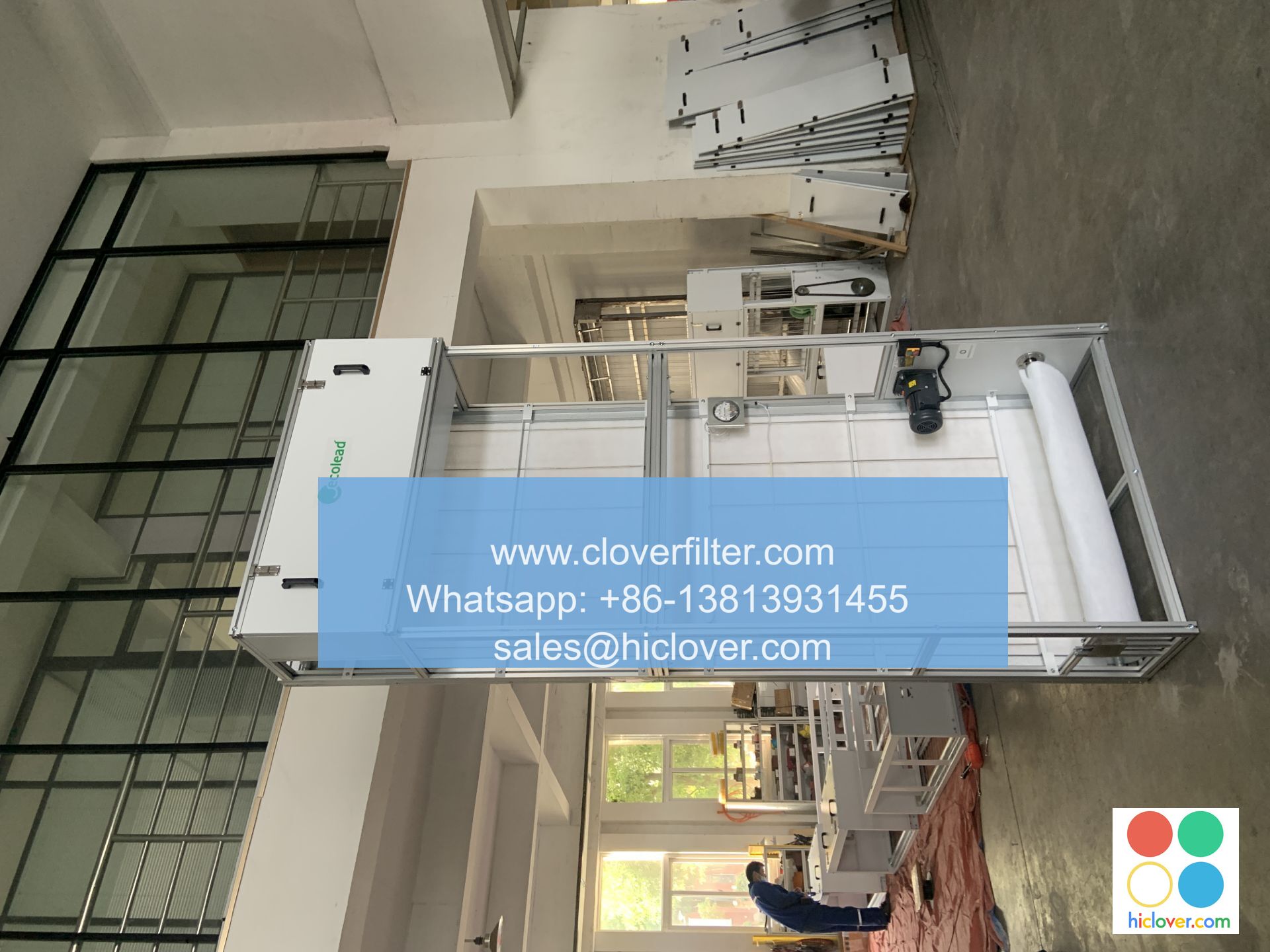
The demand for high-quality air filters in industrial applications has never been more pressing, driven by the need for clean air solutions, environmental sustainability, and occupational health and safety. As industries continue to evolve and expand, the production of air filters must keep pace, incorporating innovative technologies, advanced materials, and robust manufacturing processes to meet the diverse and complex requirements of industrial settings.
Industrial Air Filtration Applications
Air filters are crucial in a wide range of industrial applications, including but not limited to:
- Chemical Processing: Where high-efficiency particulate air (HEPA) filters and gas-phase filtration systems are essential for removing
- Pharmaceutical Manufacturing: Requiring strict contamination control measures, including the use of ultra-clean air filters to prevent cross-contamination and ensure product purity.
- Food Processing: Where sanitary air filtration systems are vital for preventing food contamination and ensuring product safety, through the removal of particulate matter, microorganisms, and odors.
- Power Generation: Including coal-fired power plants, gas turbines, and nuclear power plants, where high-performance air filters are necessary for turbine protection, efficiency optimization, and emission control.
- Regulatory Compliance: Manufacturers must comply with stringent standards and regulations, such as those set by OSHA, EPA, and ISO, to ensure air quality and worker safety.
- Technological Advancements: The need for innovative filter designs, advanced materials, and smart filtration systems that can adapt to changing industrial conditions and emerging contaminants.
- Sustainability: The demand for eco-friendly air filters and sustainable production practices that minimize environmental impact, reduce waste, and promote energy efficiency.
- Nanofiber Technology: Utilizing nano-scale fibers to create high-performance filters with improved efficiency, selectivity, and durability.
- Internet of Things (IoT) Integration: Developing smart air filtration systems that can be remotely monitored, controlled, and optimized in real-time to enhance performance, energy efficiency, and maintenance scheduling.
- Circular Economy Practices: Adopting sustainable production methods, recyclable materials, and end-of-life recycling programs to minimize waste, reduce environmental footprint, and promote resource efficiency.

Key Challenges in Air Filter Production
The production of air filters for industrial applications faces several challenges, including:

Future Directions in Air Filter Production
To meet the evolving demands of industrial applications, air filter production is likely to focus on:
Conclusion
The production of air filters for industrial applications is a complex and challenging field, driven by the need for clean air solutions, environmental sustainability, and occupational health and safety. As industries continue to evolve, air filter manufacturers must innovate, adapt, and respond to emerging demands, leveraging advanced technologies, innovative materials, and sustainable practices to ensure the delivery of high-quality air filters that meet the diverse needs of industrial settings. By focusing on technological advancements, sustainability, and regulatory compliance, the air filter industry can help create healthier workplaces, reduce environmental impact, and support industrial growth and development. It seems like you haven’t provided a specific question or topic for me to address. Could you please provide more details or clarify what you would like to discuss? This will help me give you a more accurate and helpful response.
