Air Filter Production: Quality Control Measures

The production of air filters is a critical process that requires meticulous attention to detail to ensure the delivery of high-quality products. Quality control measures play a vital role in air filter production, as they help to guarantee the efficacy, safety, and reliability of the final product. In this article, we will delve into the world of air filter production, exploring the various quality control measures that are employed to ensure the production of top-notch air filters.
Introduction to Air Filter Production
Air filter production involves the manufacture of filters that are designed to remove particulate matter, gases, and odors from the air. These filters are used in a wide range of application areas, including industrial, commercial, residential, and automotive settings. The production of air filters requires a deep understanding of filtration technology, as well as the ability to select the right filter media and manufacturing processes to meet the specific needs of each application.
Quality Control Measures in Air Filter Production
To ensure the production of high-quality air filters, manufacturers must implement a range of quality control measures. These measures may include:
- Raw material inspection: The inspection of raw materials, such as filter media and adhesives, to ensure that they meet the required standards.
- Production line monitoring: The monitoring of the production line to ensure that filters are being produced in accordance with established quality standards.
- Performance testing: The testing of filters to ensure that they meet the required performance standards, such as efficacy and pressure drop.
- Cleanroom production: The production of filters in a cleanroom environment to minimize the risk of contamination.
- Industrial air filtration: The use of air filters in industrial settings to remove particulate matter and gases from the air.
- Commercial air filtration: The use of air filters in commercial settings, such as offices and shopping centers.
- Residential air filtration: The use of air filters in residential settings to improve indoor air quality.
- Automotive air filtration: The use of air filters in vehicles to remove particulate matter and gases from the air.
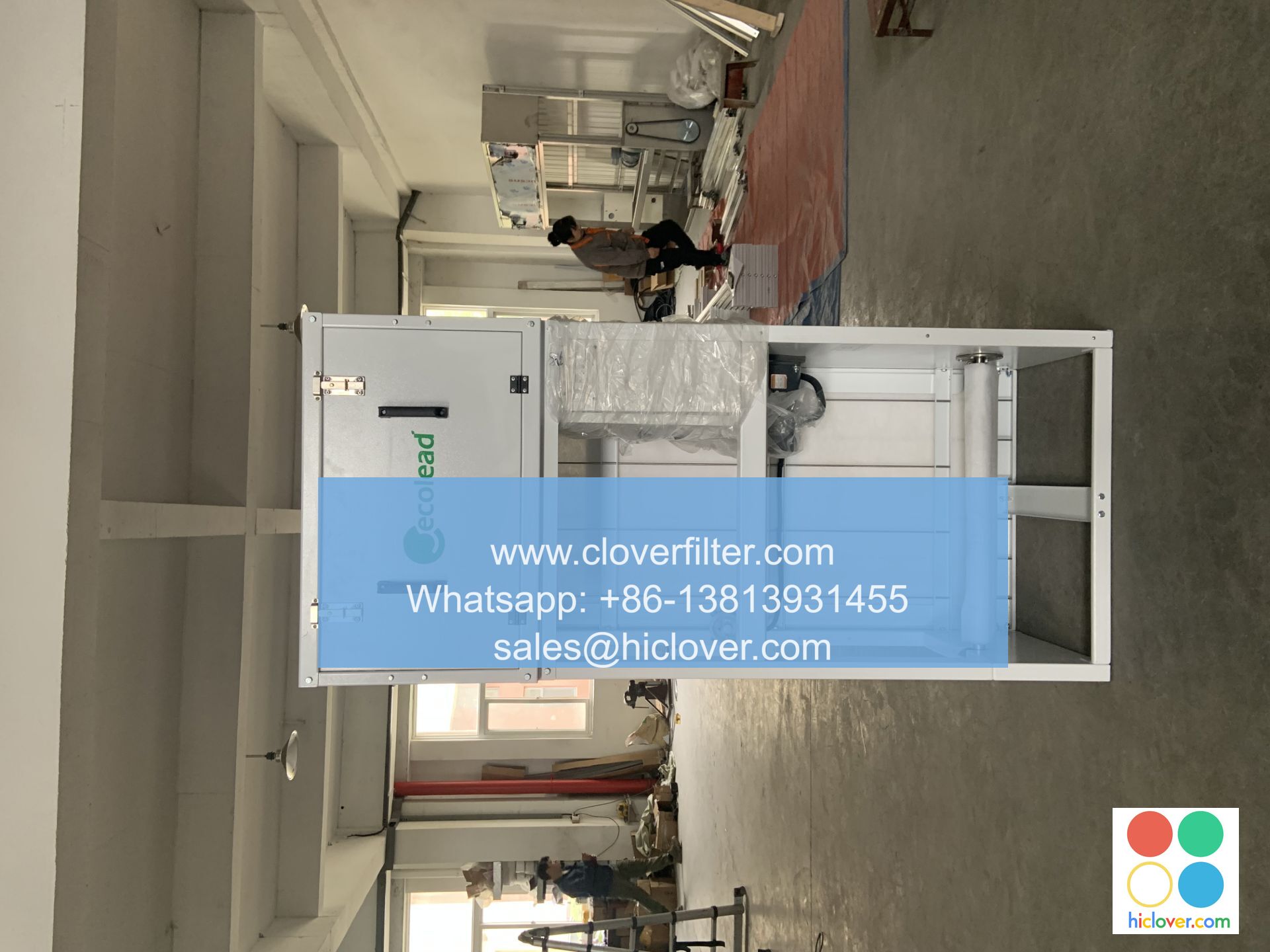
Application Areas of Air Filters
Air filters are used in a wide range of application areas, including:
Conclusion
In conclusion, the production of air filters is a complex process that requires careful attention to quality control measures. By implementing a range of quality control measures, manufacturers can ensure the production of high-quality air filters that meet the required performance standards. The use of air filters in various application areas has numerous benefits, including improved indoor air quality, increased efficiency, and reduced maintenance costs. As the demand for air filters continues to grow, it is essential that manufacturers prioritize quality control measures to ensure the delivery of top-notch products. You haven’t asked a question or provided any context. What would you like to talk about or ask? I’ll do my best to provide a helpful and direct response.
