Air Filter Production: Supply Chain Management

The air filter production industry has experienced significant growth in recent years, driven by increasing demand for clean air solutions in various applications, including industrial filtration, automotive air filtration, and indoor air quality management. Effective supply chain management is crucial to ensure the smooth operation of air filter production, from sourcing raw materials to delivering finished products to customers. In this article, we will delve into the world of air filter production, highlighting various application areas and exploring the importance of supply chain optimization in this industry.
Raw Materials and Sourcing
The production of air filters requires a range of raw materials, including fibers, films, and resins. Sourcing these materials from reliable suppliers is essential to ensure consistent quality and just-in-time delivery. Air filter manufacturers must establish strong relationships with suppliers, negotiating cost-effective contracts and implementing vendor-managed inventory (VMI) systems to minimize inventory costs and reduce lead times.
Manufacturing Process and Quality Control
The air filter manufacturing process involves several stages, including fiber production, media formation, and filter assembly. To ensure the production of high-quality air filters, manufacturers must implement stringent quality control measures, including inspect-and-test protocols and certification programs. This guarantees that air filters meet the required standards and regulations, such as HEPA filtration and UL certification, and perform optimally in various applications, including industrial dust collection, commercial HVAC systems, and residential air purification.
Application Areas and Market Trends
Air filters have a wide range of applications across various industries, including:
* Industrial filtration: dust collection, gas turbine filtration, and chemical processing
* Automotive air filtration: engine air intake, cabin air filtration, and exhaust gas treatment
* Indoor air quality management: residential air purification, commercial HVAC systems, and hospital air filtration
The air filter market is driven by growing demand for clean air solutions, increasing regulatory requirements, and advancing technologies, such as nanofiltration and membrane filtration.
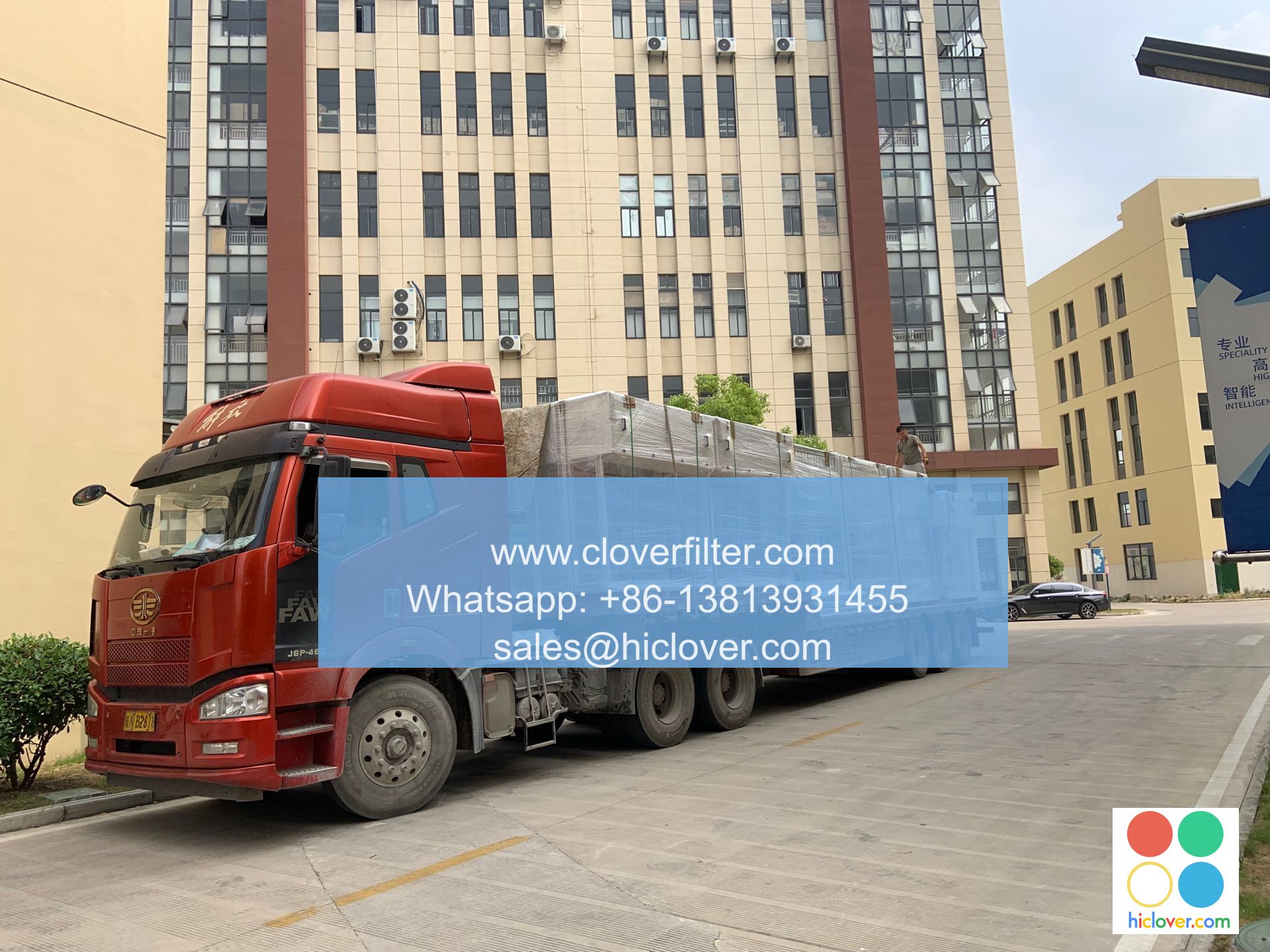
Supply Chain Optimization and Logistics
To remain competitive in the air filter production industry, manufacturers must optimize their supply chain operations, focusing on inventory management, transportation management, and warehousing and distribution. Implementing digital supply chain solutions, such as enterprise resource planning (ERP) systems and supply chain visibility platforms, enables real-time monitoring and control of supply chain activities, reducing costs and improving delivery times.
Conclusion
In conclusion, air filter production is a complex industry that requires careful supply chain management to ensure the delivery of high-quality products to customers. By understanding the various application areas, market trends, and logistical challenges involved in air filter production, manufacturers can optimize their supply chain operations, reduce costs, and improve customer satisfaction. As the demand for clean air solutions continues to grow, the air filter production industry must adapt to changing market conditions, leveraging advanced technologies and digital supply chain solutions to remain competitive and meet the evolving needs of customers. You haven’t provided a prompt or question for me to answer. Please provide more context or information so I can assist you better. What would you like to talk about or ask?
