Air Filter Programs for Chemical Plants: A Review of Best Practices
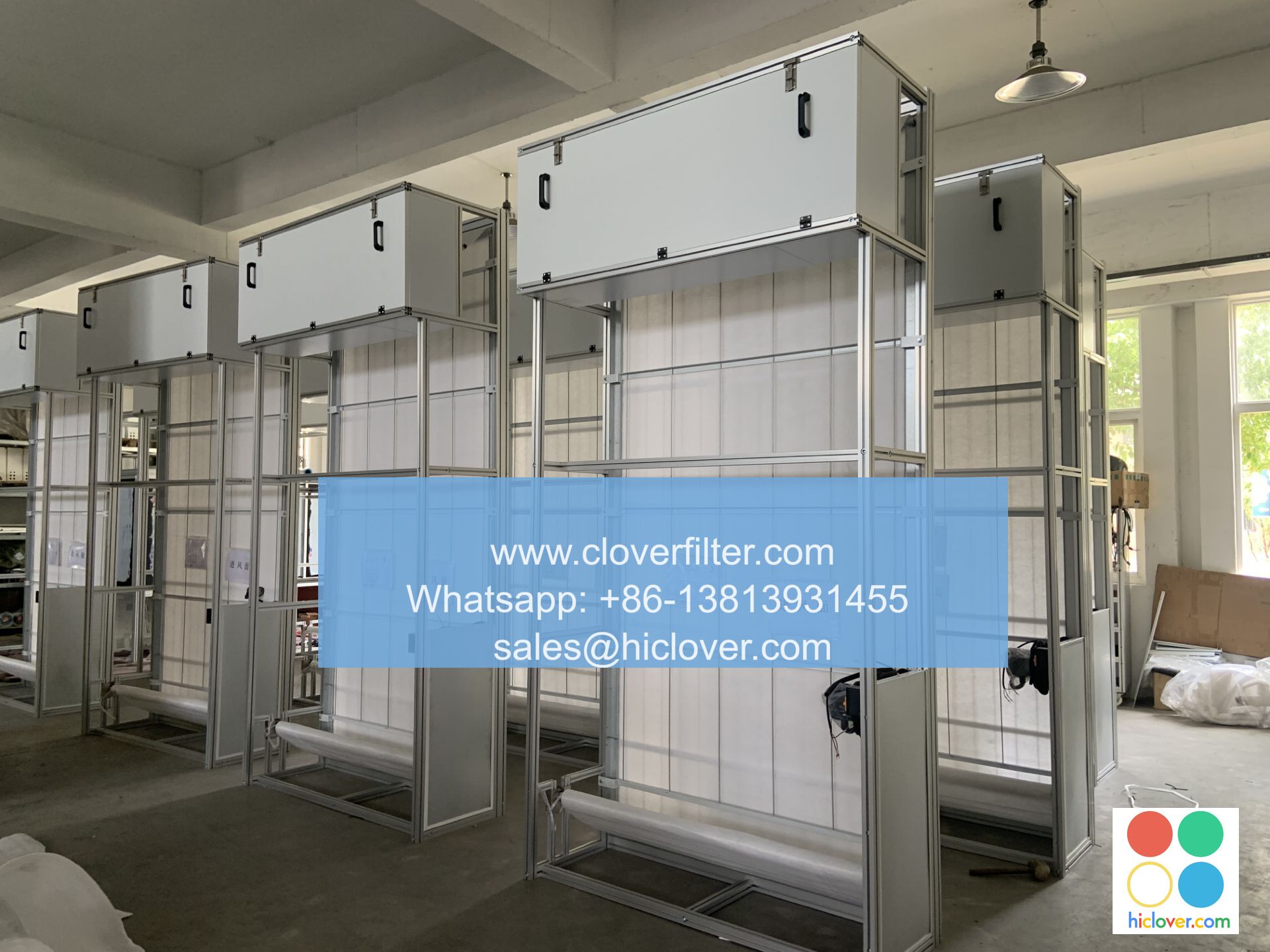
In today’s industrial landscape, chemical plants face numerous challenges related to air quality and environmental compliance. Air filter programs play a crucial role in ensuring the safety and operational efficiency of these facilities. This article reviews best practices for air filter programs in chemical plants, focusing on their implementation, efficiencies, and applications across various sectors.
Understanding Air Filter Programs

Air filter programs involve the systematic use of air filtration systems to remove particulates, volatile organic compounds (VOCs), and other hazardous contaminants from the air. The effective design and maintenance of these programs are essential for compliance with environmental regulations and for protecting the health and safety of workers in chemical plants.
Key Elements of an Effective Air Filter Program
1. Comprehensive Assessment of Air Quality
Before implementing an air filter program, chemical plants should conduct a thorough assessment of existing air quality. This includes evaluating potential contaminants, such as:
- Dust and particulate matter
- Fumes and vapors
- Gases such as ammonia, chlorine, or sulfur dioxide
-
HEPA Filters: High-Efficiency Particulate Air filters trap 99.97% of particles that are 0.3 microns or larger. They are essential for areas requiring strict cleanliness, such as pharmaceutical manufacturing within chemical plants.
-
Activated Carbon Filters: These filters are effective at adsorbing VOCs and odors, making them ideal for areas where chemical reactions produce noxious emissions.
-
Electrostatic Precipitators (ESPs): Used to remove fine particulate matter from industrial gases, ESPs are beneficial for plants dealing with heavy dust loads.
-
Routine Inspections: Regular checks for filter integrity, leaks, and contamination levels help identify potential issues before they escalate.
-
Replacement Protocols: Establishing a timeline based on filter type and manufacturer’s recommendations enhances performance. For instance, HEPA filters might need replacement every 12 to 24 months, while activated carbon filters could require more frequent changes depending on the chemical load.
-
Detect fluctuations in pollutant levels: Immediate insights allow for timely adjustments to filter systems.
-
Track filter efficiency: Assessing differential pressure across filters offers valuable data in regards to their performance and operational readiness.

A detailed understanding of these factors helps in selecting the right type of air filters.
2. Selection of Appropriate Filter Technologies
Choosing the right air filter technology is critical to the success of air filter programs. Some commonly used technologies include:
3. Regular Maintenance and Replacement Schedule
A robust maintenance program is vital to ensuring the longevity and efficiency of air filters. Best practices include:
4. Monitoring and Data Analysis
Continuous monitoring and data analysis of air quality is essential for optimizing air filter programs. Implementing air quality sensors and real-time monitoring systems can help:
Highlighting Various Application Areas
1. Pharmaceutical Manufacturing
In pharmaceutical chemical plants, maintaining an ultra-clean environment is paramount. The use of HEPA filters in air handling systems is essential for preventing contamination and ensuring product integrity.
2. Petrochemical Facilities
Petrochemical plants often have high levels of VOC emissions. The implementation of a combination of activated carbon filters and ESPs can effectively capture both gaseous and particulate pollutants, enhancing plant safety and environmental compliance.
3. Food and Beverage Processing
Food processing facilities must adhere to strict hygiene standards. Incorporating air filter programs with specific filtration technologies can aid in preventing allergens and contaminants from entering production areas.
4. Waste Treatment Plants
Chemical treatment of waste releases numerous harmful pollutants. Air filter programs that include multi-stage filtration systems can play a significant role in protecting both workers and surrounding communities.
Conclusion
Air filter programs are vital in ensuring that chemical plants operate safely and within regulatory guidelines. By following best practices that include comprehensive assessments, selecting appropriate technologies, maintaining regular schedules, and continuous monitoring, chemical plants can significantly enhance air quality. The importance of effective air filter programs cannot be overstated – they contribute not only to workplace safety and environmental compliance but also to the overall efficiency and sustainability of chemical manufacturing processes.
By adopting a proactive approach to air filtration, chemical plants can mitigate the risks associated with air quality while maximizing operational effectiveness.
It seems like you might have forgotten to include details about your prompt. How can I assist you today?
