Air Filter Programs for Hotels and Hospitality Facilities: A Review of Best Practices
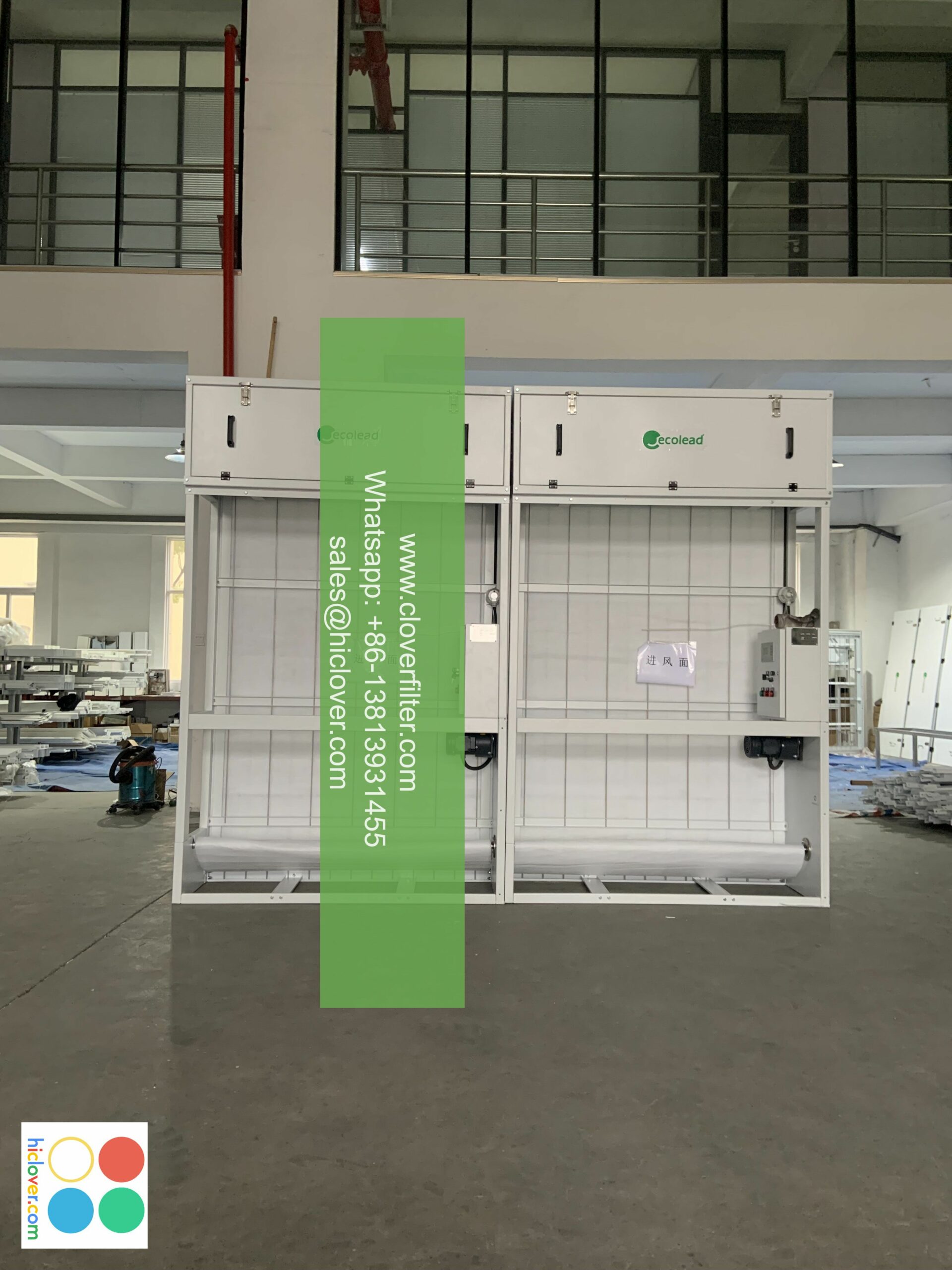
In today’s hospitality industry, maintaining optimal air quality is essential for guest comfort, health, and overall satisfaction. One way hotels and hospitality facilities can ensure a clean and safe environment is through effective air filter programs. This article explores the significance of air filter programs, highlights best practices, and examines various application areas in the hotel and hospitality sector.
The Importance of Air Quality in Hospitality

Air quality plays a crucial role in guest experience. Poor indoor air quality can lead to a variety of health issues, including respiratory problems and allergies. For hotels, maintaining high air quality standards is not only vital for the well-being of guests but also for adhering to health regulations and improving operational efficiency.
Best Practices for Implementing Air Filter Programs
Implementing an effective air filter program requires strategic planning and execution. Here are some best practices for hotels and hospitality facilities:
1. Regular Assessment of Air Quality
Conducting routine assessments of indoor air quality is fundamental. This involves measuring pollutants, humidity levels, and other factors that can affect guest health. Understanding the current air quality status helps in tailoring the air filter program to meet specific needs.
2. Selecting the Right Air Filters
Choosing the right type of air filter is critical. High Efficiency Particulate Air (HEPA) filters are recommended for their ability to capture a significant amount of airborne particles, including dust, pollen, and bacteria. Hotels should also consider filters with activated carbon for odor control.
3. Regular Maintenance and Replacement
To ensure the effectiveness of air filtration systems, regular maintenance and timely replacement of filters are crucial. Establishing a maintenance schedule can help monitor filter lifespan and indoor air quality consistently. Hotels should consider implementing a log for tracking filter replacements.
4. Employee Training and Awareness
Educating hotel staff about the importance of air quality and how to maintain air filters can significantly impact the program’s success. Training employees to recognize signs of poor air quality can help in addressing issues promptly.
5. Utilizing Technology
Investing in smart air quality monitoring systems can provide real-time data on air quality metrics. These technologies allow hotels to adjust their air filtration systems dynamically, ensuring optimal performance tailored to guest occupancy and weather conditions.
Application Areas of Air Filter Programs
Air filter programs can be applied throughout various areas of hospitality facilities, enhancing air quality in multiple settings:
- Guest Rooms: Installation of high-quality air filtration in guest rooms ensures that guests sleep in a healthy environment.
- Common Areas: Air filters in lobbies, lounges, and meeting rooms help maintain a pleasant atmosphere for guests and staff.
- Restaurants and Dining Areas: Proper air filtration reduces odors and enhances the dining experience for guests.
- Fitness Centers and Spas: High air quality is vital in fitness and wellness areas, where guests engage in physical activities.
Conclusion
In conclusion, air filter programs are an essential component of maintaining high air quality in hotels and hospitality facilities. By implementing best practices such as regular air quality assessments, selecting appropriate air filters, and investing in technology, hotels can ensure a comfortable and healthy environment for their guests. With various application areas, effective air filtration not only enhances guest satisfaction but also promotes a responsible and sustainable hospitality operation.
It seems like you might have wanted to provide a prompt for a topic or task. Could you please share more details or clarify what you’re looking for? I’d be happy to help!
