Air Filter Programs for Industrial Facilities: A Review of Best Practices
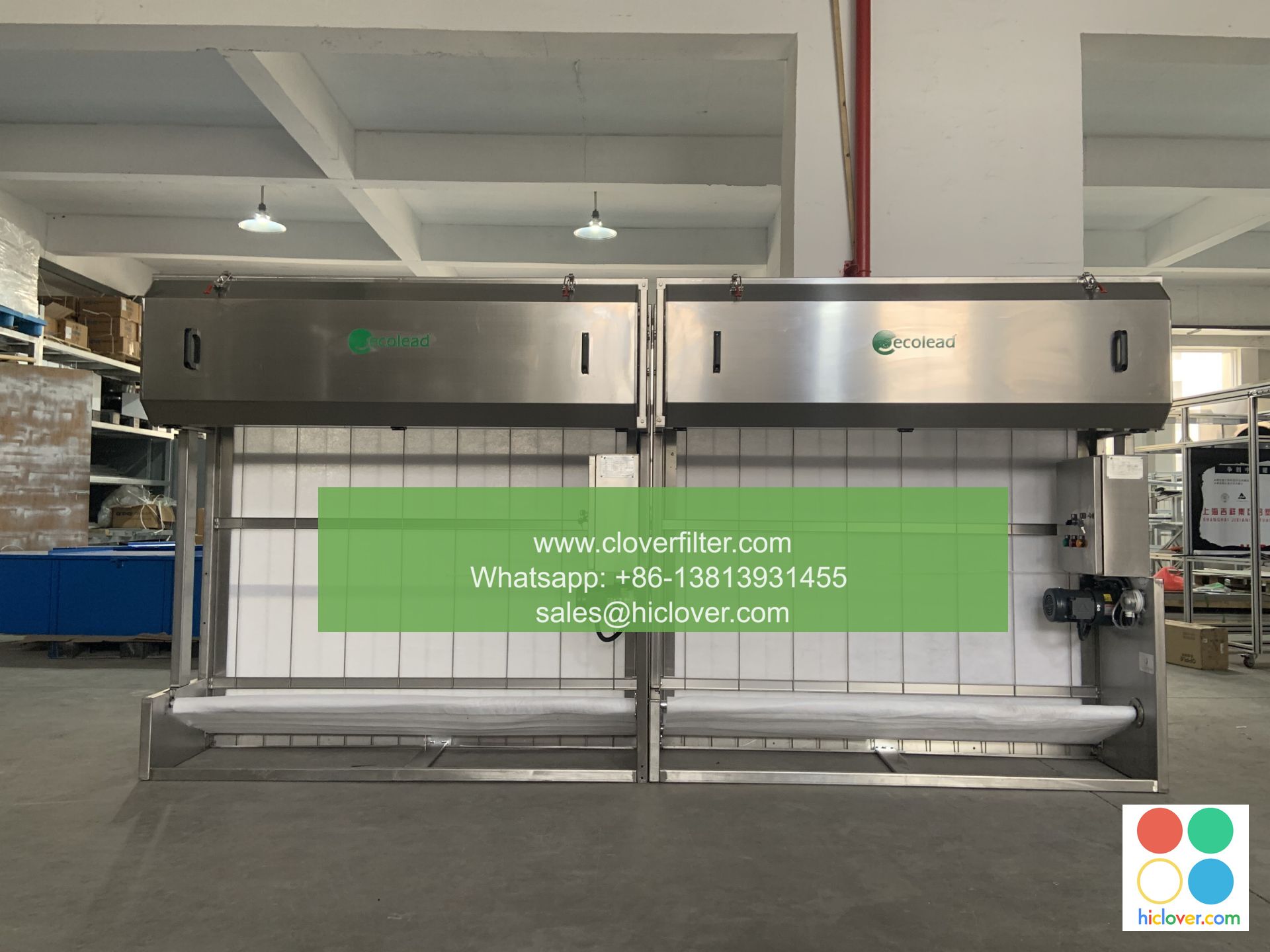
Industrial facilities rely heavily on air filtration systems to maintain a clean and safe working environment. A well-designed air filter program is essential to ensure the health and safety of employees, prevent equipment damage, and minimize downtime. In this article, we will review the best practices for implementing an effective industrial air filtration system and highlight various application areas.
Importance of Air Filtration in Industrial Facilities
Air filtration is critical in industrial facilities to remove particulate matter, gases, and odors that can contaminate the air and pose health risks to employees. A good air filter program can help prevent respiratory problems, allergies, and other health issues associated with poor indoor air quality. Additionally, air filtration systems can help protect sensitive equipment from dust, moisture, and other contaminants that can cause damage and downtime.
Key Components of an Effective Air Filter Program
A comprehensive air filter program should include the following key components:
* Filtration media selection: Choosing the right filter media for the specific application, such as HEPA filters, activated carbon filters, or ultra-low penetration air (ULPA) filters.
* Filter maintenance and replacement: Regularly inspecting and replacing air filters to ensure optimal performance and prevent filter failure.
* Air quality monitoring: Continuously monitoring indoor air quality to detect any changes or issues that may require adjustments to the air filter program.
* Training and education: Educating employees on the importance of air filtration and providing training on filter maintenance and replacement procedures.
Application Areas for Air Filter Programs
Air filter programs can be applied in various industrial facilities, including:
* Pharmaceutical manufacturing: To maintain cleanroom environments and prevent contamination.
* Food processing: To prevent food spoilage and maintain a clean and safe working environment.
* Automotive manufacturing: To prevent equipment damage and maintain a clean working environment.
* Chemical processing: To prevent chemical exposure and maintain a safe working environment.
* Data centers: To prevent equipment damage and maintain a cool and dry working environment.
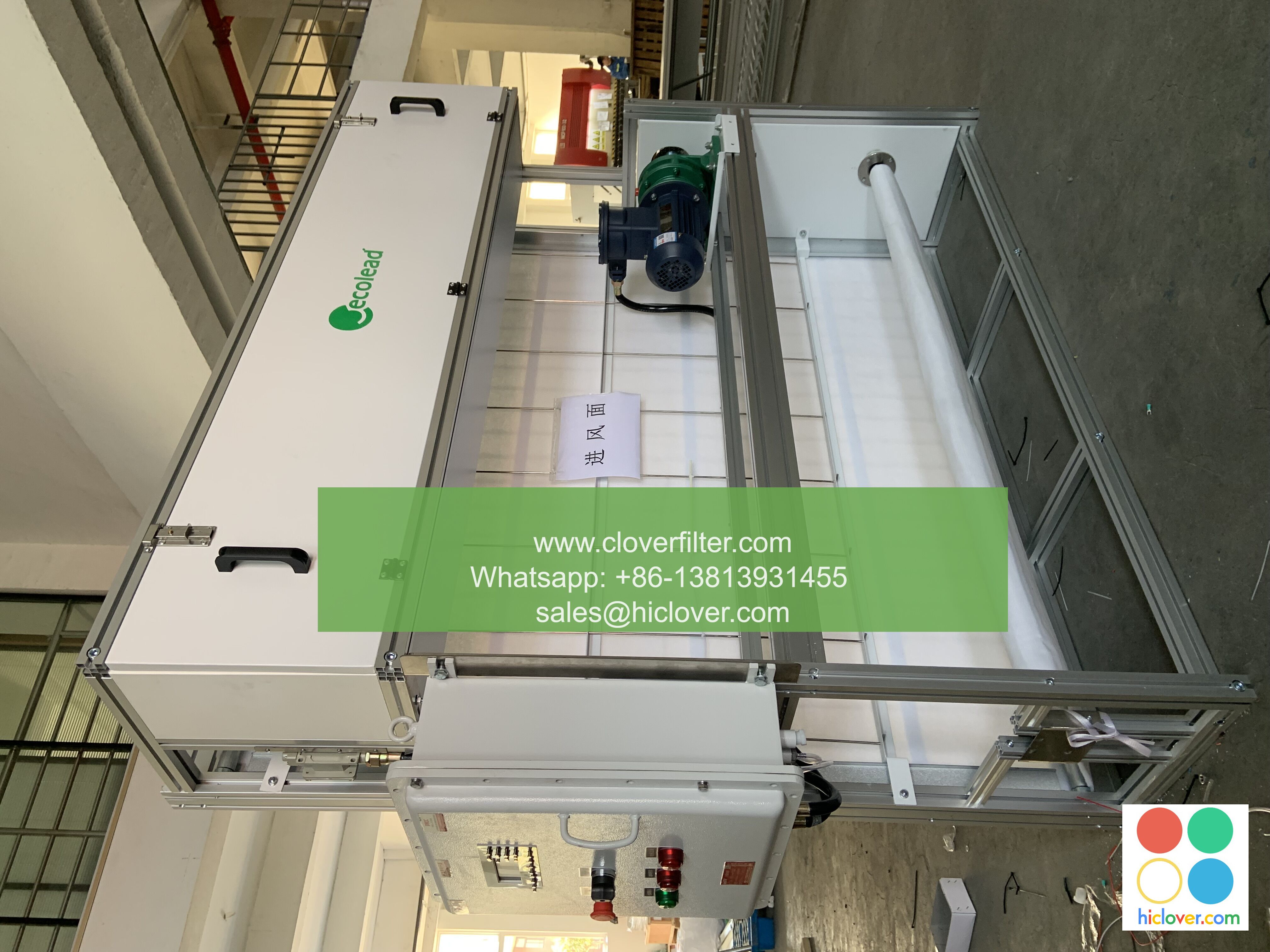
Best Practices for Implementing an Air Filter Program
To ensure the success of an air filter program, the following best practices should be implemented:
* Conduct a thorough risk assessment to identify potential air quality issues and contaminants.
* Develop a comprehensive maintenance schedule to ensure regular filter maintenance and replacement.
* Monitor indoor air quality continuously to detect any changes or issues.
* Provide training and education to employees on air filtration and filter maintenance.
* Review and update the air filter program regularly to ensure it remains effective and compliant with regulatory requirements.
Conclusion
A well-designed air filter program is essential for maintaining a clean and safe working environment in industrial facilities. By following the best practices outlined in this article, facilities can ensure the health and safety of employees, prevent equipment damage, and minimize downtime. Whether it’s pharmaceutical manufacturing, food processing, or data centers, a comprehensive air filter program is critical for maintaining a clean and safe working environment. It looks like you didn’t provide a prompt. Please go ahead and give me something to work with, and I’ll do my best to help!
