Air Filter Programs for Laboratories and Research Facilities: A Review of Best Practices
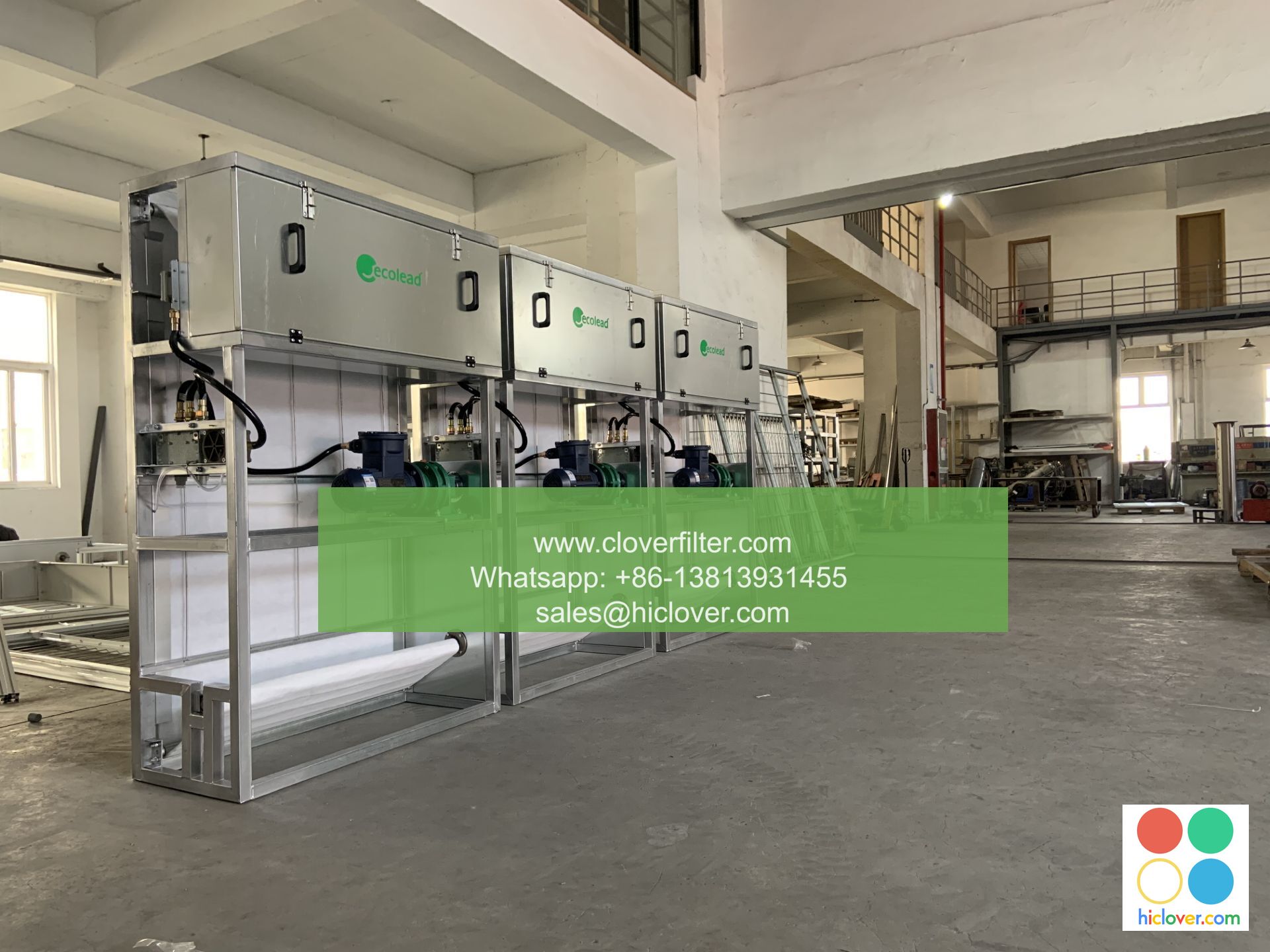
Laboratories and research facilities play a crucial role in scientific advancements, but they also pose unique challenges when it comes to maintaining air quality. The implementation of effective air filter programs is essential for safeguarding personnel, preserving sensitive equipment, and ensuring the integrity of experimental results. In this article, we will review the best practices for air filtration, focusing on the various application areas within research settings.
Importance of Air Quality in Laboratories

Maintaining optimal air quality is vital in laboratories where experiments can be easily contaminated by particulate matter, volatile organic compounds (VOCs), and biological contaminants. High-quality air filtration helps to:
- Protect sensitive research from contamination.
- Enhance the efficiency of laboratory work.
- Improve the health and safety of laboratory personnel.
Best Practices in Air Filter Programs
1. Conducting a Comprehensive Assessment
Before establishing an air filter program, it is essential to conduct a thorough assessment of the laboratory environment. This assessment should include:
- Identifying potential sources of contamination.
- Evaluating existing ventilation systems.
- Determining the types of research conducted and specific air quality requirements.
2. Selecting the Right Air Filters
Choosing the correct filters is crucial for effective air filtration. Key considerations include:
- Types of contaminants present (e.g., particulates, gases).
- Filter efficiency ratings (e.g., HEPA, ULPA).
- Appropriateness for the specific applications, such as biological research, chemical analysis, or environmental monitoring.
3. Regular Maintenance and Monitoring
To ensure the effectiveness of air filters, regular maintenance and monitoring are required. Best practices include:
- Establishing a maintenance schedule for filter replacement.
- Monitoring air quality levels using sensors and testing.
- Keeping detailed records of filter performance and maintenance activities.
Application Areas of Air Filter Programs
Various sectors and specializations within research facilities can benefit from tailored air filter programs, including:
1. Biological Laboratories
In biosafety level (BSL) laboratories, air filter programs are vital to prevent the escape of pathogens. High-Efficiency Particulate Air (HEPA) and Ultraviolet (UV) filters can mitigate contamination and protect workers from harmful biological agents.
2. Chemical and Pharmaceutical Research
In chemical and pharmaceutical settings, VOCs and other hazardous chemicals may pose risks. Activated carbon filters can effectively absorb these gases, while HEPA filters capture particulate matter, maintaining a safe working environment.
3. Environmental Monitoring
Environmental laboratories require stringent air quality controls to analyze air samples accurately. Specialized filters can help in removing pollutants from the air, ensuring that research results are reliable.
4. Clean Rooms and Controlled Environments
In clean rooms, air filter programs are crucial for maintaining extremely low levels of contamination. Continuous air filtration with precise airflow control is essential to achieve ISO standards.
Conclusion
The implementation of effective air filter programs in laboratories and research facilities is crucial for ensuring air quality and the integrity of scientific studies. By following established best practices and understanding the unique application areas, laboratories can safeguard health, enhance productivity, and achieve reliable results in their research endeavors. As technology advances, continuous evaluation and adoption of innovative filtration solutions will play an increasingly significant role in laboratory operations.
Sure! Please provide me with details or context about the prompt you want, and I’ll do my best to assist you!
