Air Filter Programs for Power Plants: A Review of Best Practices
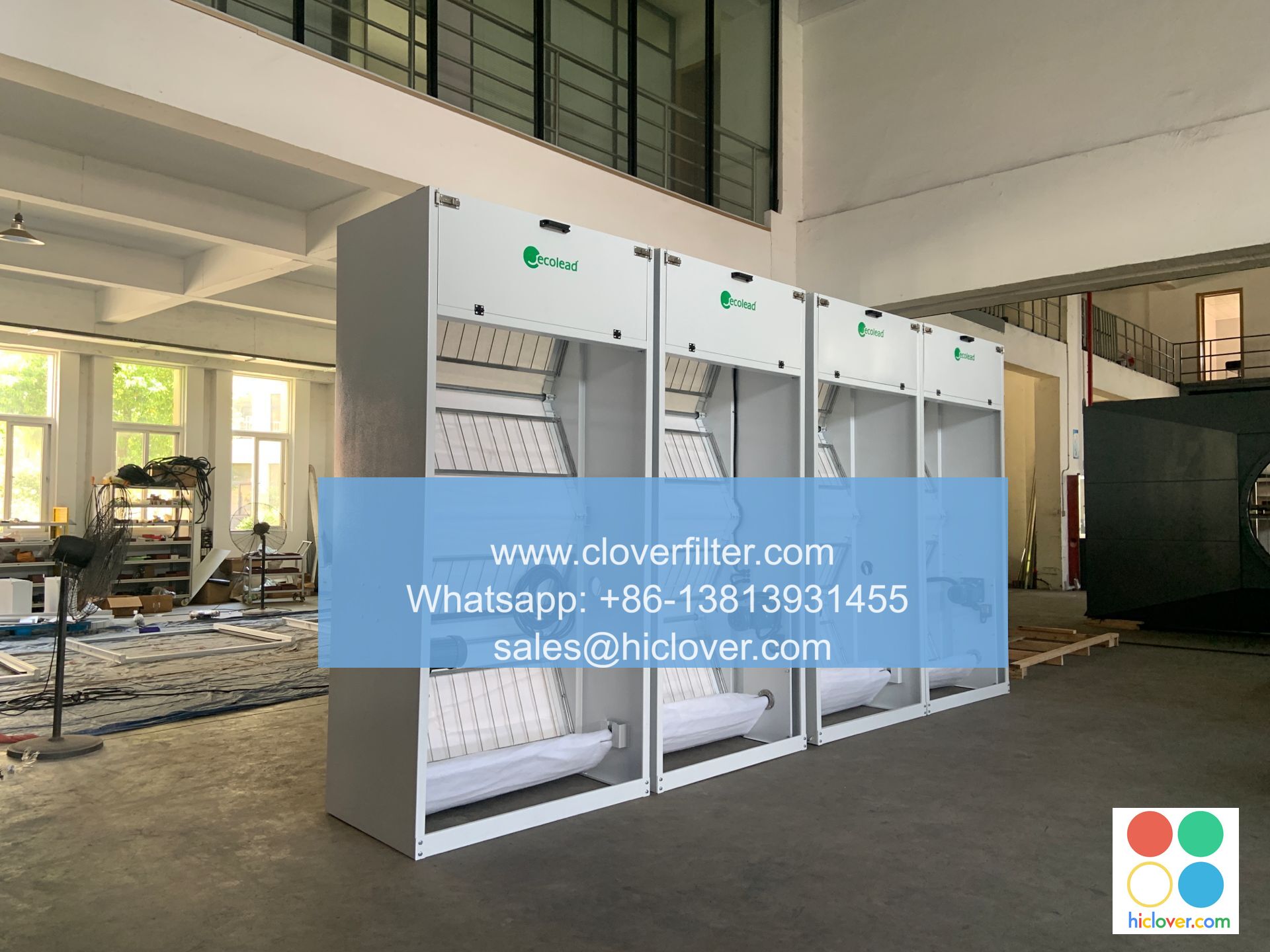
Air quality management is crucial in power plants due to their significant contribution to environmental emissions and air pollution. To maintain a sustainable operational framework, implementing effective air filter programs becomes essential. This article reviews best practices in air filter management and their applications in various power plant settings.
Understanding Air Filters in Power Plants

Air filters play a pivotal role in maintaining equipment efficiency and minimizing emissions in power plants. They prevent particulates, dust, and harmful pollutants from entering machinery, thereby safeguarding both human health and the environment. Key types of air filters used in power plants include:
- Pre-filters: Capture larger particles and extend the lifecycle of advanced filters.
- HEPA Filters: High-Efficiency Particulate Air filters offer high filtration efficiency for smaller particulates.
- Activated Carbon Filters: Target odors and volatile organic compounds (VOCs), improving indoor air quality.
Importance of Air Filter Programs
Effective air filter programs in power plants are essential for several reasons:

-
Regulatory Compliance: Meeting environmental regulations and standards is obligatory for modern power plants. Proper filtration ensures compliance with emission limits set by agencies such as the EPA and other local regulators.
-
Operational Efficiency: Clean air is vital for optimizing the performance of turbines, generators, and other machinery. Reducing airborne contaminants can lead to less downtime and lower maintenance costs.
-
Health and Safety: Maintaining air quality within power plants protects the health of employees and workers from airborne pollutants.
Best Practices for Air Filter Programs
1. Regular Monitoring and Maintenance
Regular inspections and measurements of filter performance help in identifying when filters need replacement. A proactive maintenance schedule can enhance air quality and support efficient operations.
2. Data-Driven Decisions
Utilizing data analytics to monitor air quality can lead to informed decisions about filter efficiency and replacement schedules. Advanced sensors can provide real-time feedback on filter performance.
3. Training and Education
Training staff on the importance of air quality and the proper handling of air filters is critical. Ensuring that personnel understand the impact of air filters on overall plant operations enhances compliance and efficiency.
4. Sustainable Filter Disposal
Implementing an environmentally friendly disposal program for used air filters is vital. Recycling programs can reduce waste and contribute to a power plant’s sustainability objectives.
5. Integration of Advanced Technologies
The integration of advanced filtration technologies, such as electrostatic filters and nanofiber technologies, can significantly enhance pollutant removal efficiency, leading to lower emissions.
Application Areas of Air Filter Programs
Air filter programs can be applied to different areas within power plants, each with its unique challenges and requirements:
Thermal Power Plants
In thermal power plants, maintaining air quality in boiler rooms is crucial to prevent corrosion and ensure efficient combustion. Robust air filter systems reduce ash and particulate matter, improving efficiency.
Renewable Energy Facilities
Wind and solar power plants also require air filter systems to protect sensitive equipment from dust and pollutants, enhancing operational longevity and performance.
Combined Cycle Power Plants
These facilities utilize gas and steam turbines, which require advanced filtration to prevent fouling. Implementing a comprehensive air filter program can optimize turbine performance and reduce operational costs.
Conclusion
Implementing effective air filter programs in power plants is a critical step towards achieving operational efficiency, regulatory compliance, and sustainable environmental practices. By adopting best practices and focusing on innovative technologies, power plants can mitigate their environmental impact while ensuring a safe and healthy environment for workers. Continued emphasis on air quality through comprehensive air filtration solutions will ultimately lead to a cleaner and more sustainable future in energy production.
Keywords: Air Filter Programs, Power Plants, Best Practices, Air Quality Management, Environmental Compliance, Operational Efficiency, Health and Safety, Renewable Energy, Filtration Technologies.
It seems like you entered “Prompt” but didn’t provide any specific context or question. How can I assist you today? Are you looking for writing prompts, information on a particular topic, or help with something else?
