Air Filter Quality Control: A Guide to Filter Performance Testing
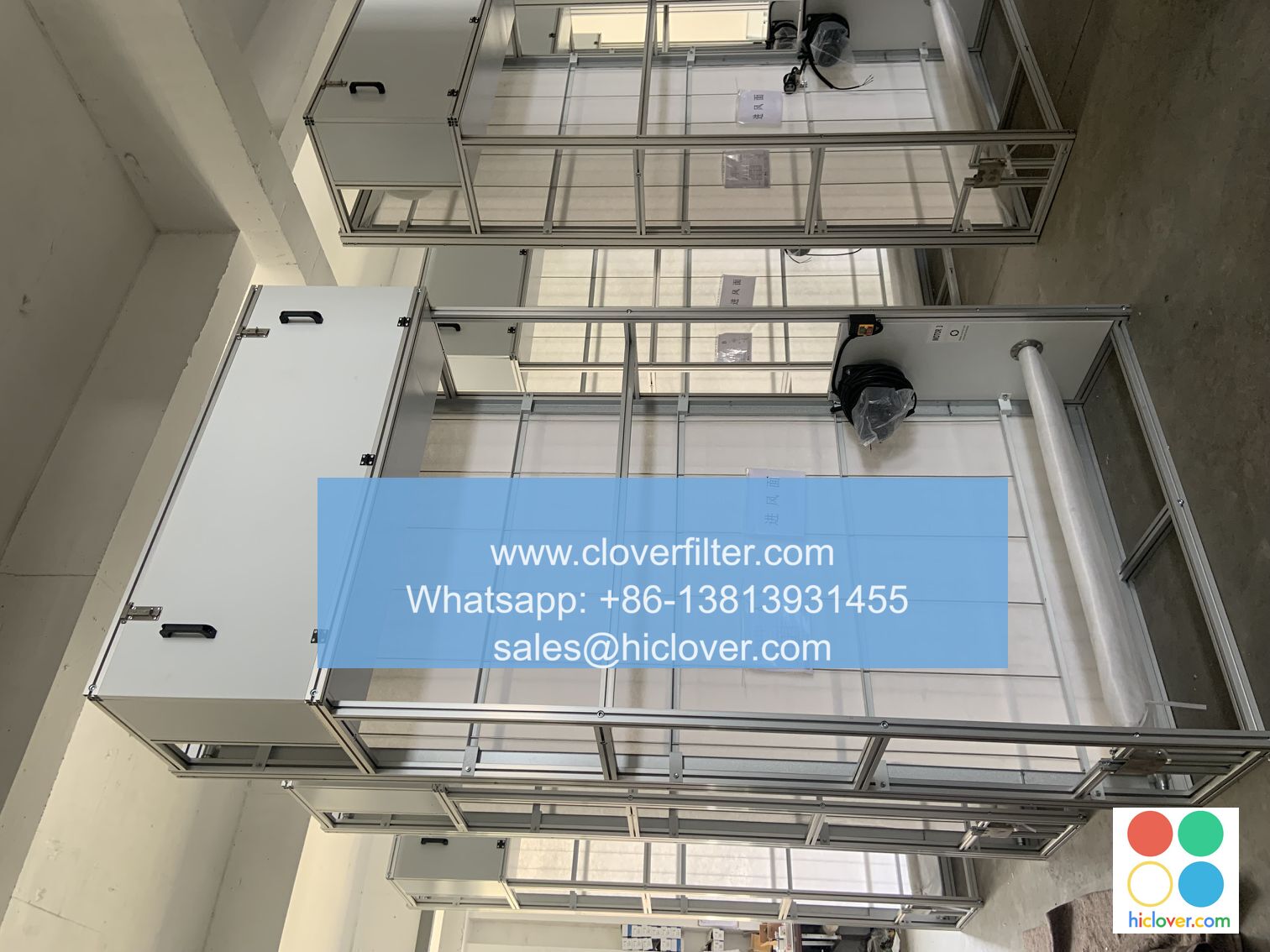
Air Filter Quality Control: A Guide to Filter Performance Testing
Air filters play a crucial role in various industries, including manufacturing, healthcare, and hospitality, to ensure the quality of air and reduce air pollution. With the abundance of air filters available in the market, it is essential to test their performance to ensure they meet the required standards. In this article, we will guide you through the process of air filter quality control, covering the importance of filter performance testing, types of filter testing, and application areas.

The Importance of Filter Performance Testing
Air filter performance testing is essential to ensure filters effectively capture airborne particles, pollutants, and contaminants. Substandard filters can lead to reduced air quality, decreased equipment efficiency, and health risks. Regular testing helps identify filters that do not meet the required standards, enabling manufacturers to improve their designs and manufacturing processes. Key performance indicators (KPIs) for filter testing include:
- Efficiency: The ability of a filter to capture airborne particles and contaminants.
- Differential pressure: The pressure drop across the filter, which affects equipment efficiency and energy consumption.
- Filtration speed: The rate at which a filter can capture airborne particles.
Types of Filter Testing
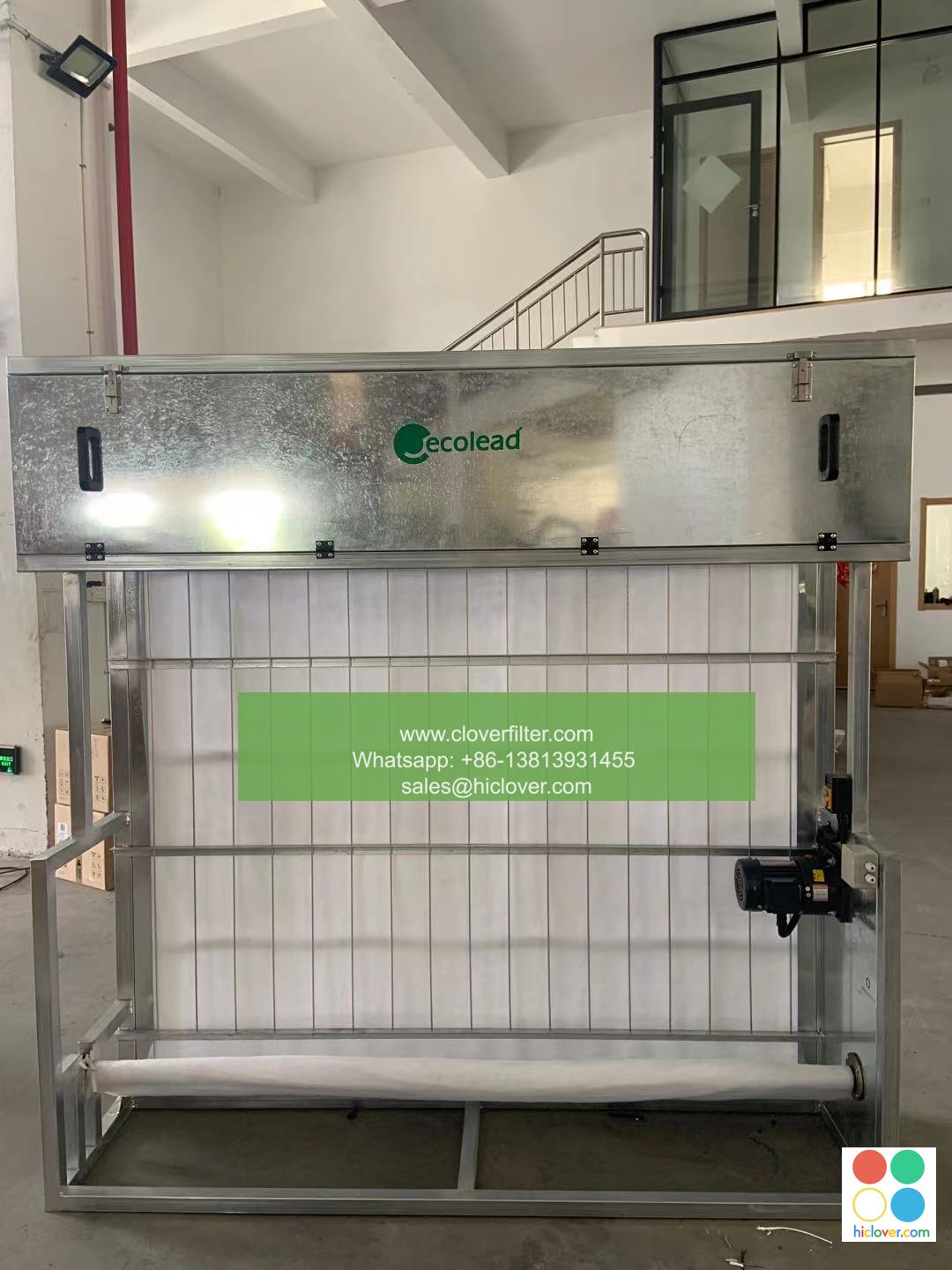
There are several types of filter tests, each designed to assess specific aspects of filter performance. These include:
- Particle testing: Measures the filter’s ability to capture airborne particles of various sizes, including dust, pollen, and bacteria.
- Gas testing: Evaluates the filter’s ability to remove gases and volatile organic compounds (VOCs) from the air.
- Fog testing: Simulates real-world scenarios, testing filters in a controlled room or chamber with a controlled particle or gas load.
Application Areas
Air filters are used in various industries, including:
- HVAC (Heating, Ventilation, and Air Conditioning): Commercial and residential buildings, hospitals, and data centers.
- Industrial processes: Manufacturing, chemical plants, and power generation facilities.
- Medical and healthcare: Hospitals, laboratories, and patient care facilities.
- Automotive and aerospace: Engineered for vehicles, aircraft, and other high-performance applications.
Best Practices for Filter Testing
To ensure accurate and reliable filter testing results, follow these best practices:
- Use standardized testing protocols: Adhere to industry-recognized standards, such as ASHRAE (American Society of Heating, Refrigerating and Air-Conditioning Engineers) and ISO (International Organization for Standardization).
- Calibrate equipment: Ensure test apparatuses and instruments are properly calibrated to ensure accurate measurements.
- Test filters under various conditions: Simulate real-world scenarios, including varying air velocities, temperatures, and humidity levels.
Conclusion
Air filter quality control is crucial to ensure the performance and effectiveness of filters in various industries. By understanding the importance of filter performance testing, types of filter testing, and application areas, manufacturers and users can make informed decisions about filter selection and performance evaluation. By following best practices for filter testing, manufacturers can optimize their designs and manufacturing processes, providing high-quality filters that meet the required standards and ensure the health and well-being of people in various environments.
Key Takeaways
- Air filters are essential in various industries to ensure air quality and reduce pollution.
- Filter performance testing is crucial to identify filters that do not meet the required standards.
- Types of filter testing include particle testing, gas testing, and fog testing.
- Various industries, including HVAC, industrial processes, medical, and automotive, require high-quality filters.
- Best practices for filter testing include standardized testing protocols, calibrated equipment, and simulating real-world scenarios.
It seems you’re trying to start a conversation! What’s on your mind? Would you like to:
1. Ask me a question?
2. Share a thought or idea?
3. Discuss a topic or issue?
4. Play a game or have some fun?
5. Learn something new?
Let me know, and I’ll be happy to help or engage with you!
