Air Filter Quality Control in Film and Media Production
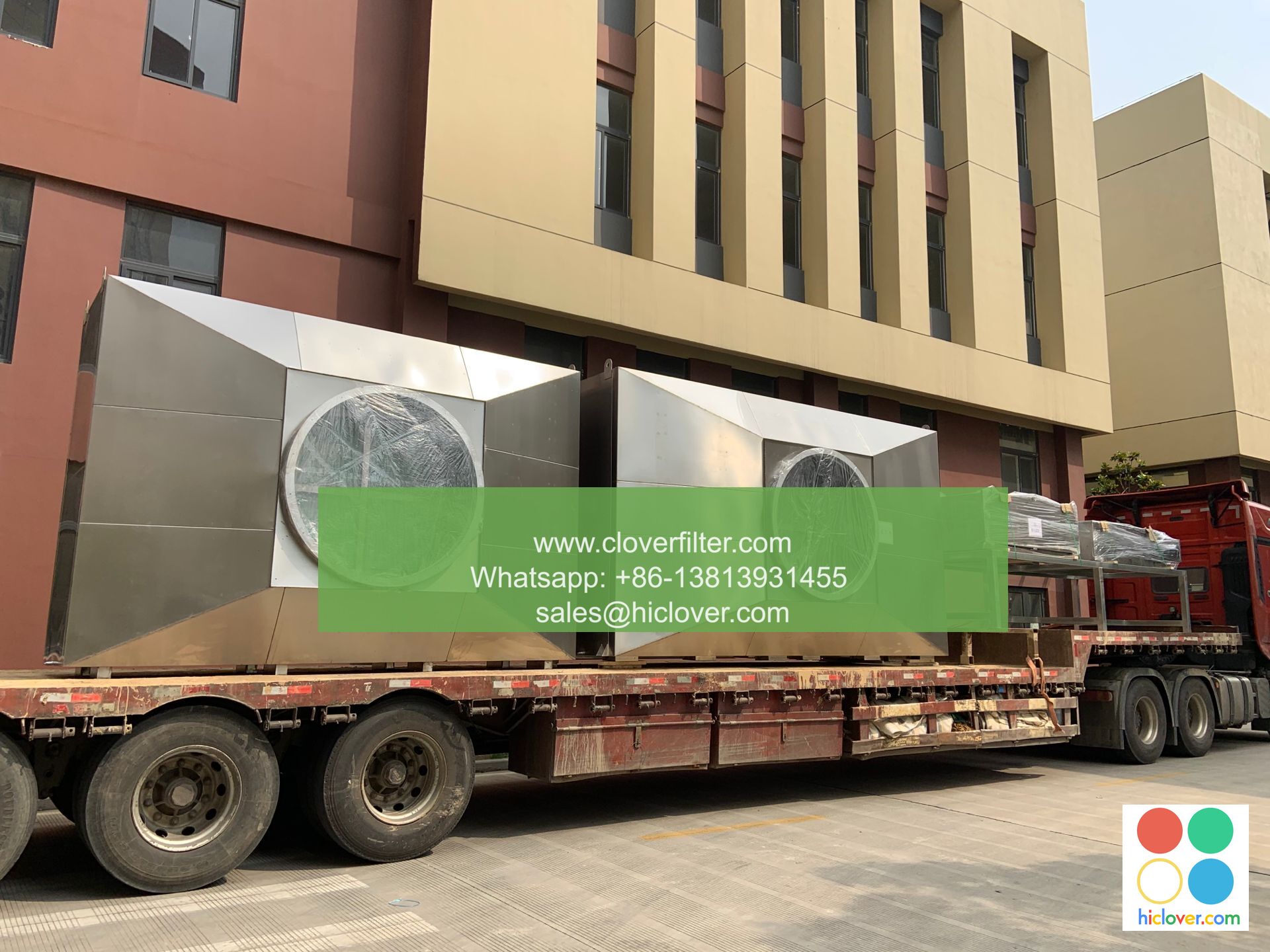
The film and media production industry is a complex and multifaceted field that requires meticulous attention to detail in every aspect of the production process. One often overlooked yet vital aspect of set maintenance is air filter quality control. In this article, we will delve into the importance of high-efficiency air filters and air purification systems in maintaining a healthy and safe working environment for cast and crew, as well as ensuring the quality of footage and audio recordings.
The Impact of Air Quality on Film and Media Production
Poor air quality can have a significant impact on the health and well-being of individuals working on a film or media production set. Dust particles, pollen, and other airborne contaminants can exacerbate respiratory issues such as asthma and allergies, reducing productivity and increasing the risk of illness. Furthermore, airborne pollutants can also damage camera equipment and electronic devices, leading to costly repairs and replacements.
In addition to the health and equipment-related concerns, poor air quality can also affect the visual and audio quality of the final product. Dust and dirt particles can settle on camera lenses and other equipment, causing flares and other visual distortions. Similarly, background noise from ventilation systems or other environmental sources can compromise the quality of audio recordings.
Application Areas of Air Filter Quality Control
Air filter quality control is essential in various application areas of film and media production, including:
* Studio soundstages: High-efficiency air filters and air purification systems are crucial in maintaining a controlled environment for audio and video recordings.
* Location shoots: Portable air filtration systems can be used to remove airborne contaminants and pollutants from the air, ensuring a healthy and safe working environment for cast and crew.
* Special effects: Air filter quality control is essential in special effects applications, such as pyrotechnics and smoke effects, where airborne pollutants can be hazardous to health and safety.
* Post-production facilities: Air filter quality control is also important in post-production facilities, such as
Best Practices for Air Filter Quality Control
To ensure effective air filter quality control in film and media production, the following best practices should be implemented:
* Regular maintenance: Air filters should be regularly inspected and replaced to ensure optimal performance and efficiency.
* Air filter selection: The selection of air filters should be based on the specific needs of the production, taking into account factors such as airflow rates and contaminant types.
* Air purification systems: Air purification systems, such as HEPA filters and activated carbon filters, can be used to remove airborne contaminants and pollutants from the air.
* Monitoring and testing: The air quality should be regularly monitored and tested to ensure that the air filter quality control measures are effective.
In conclusion, air filter quality control is a critical aspect of set maintenance in film and media production. By implementing effective air filter quality control measures, production teams can ensure a healthy and safe working environment for cast and crew, while also maintaining the quality of footage and audio recordings. By highlighting the various application areas and best practices for air filter quality control, we can promote a better understanding of the importance of this often overlooked aspect of film and media production. Prompt

