Air Filter Quality Control: The Role of Filter Monitoring
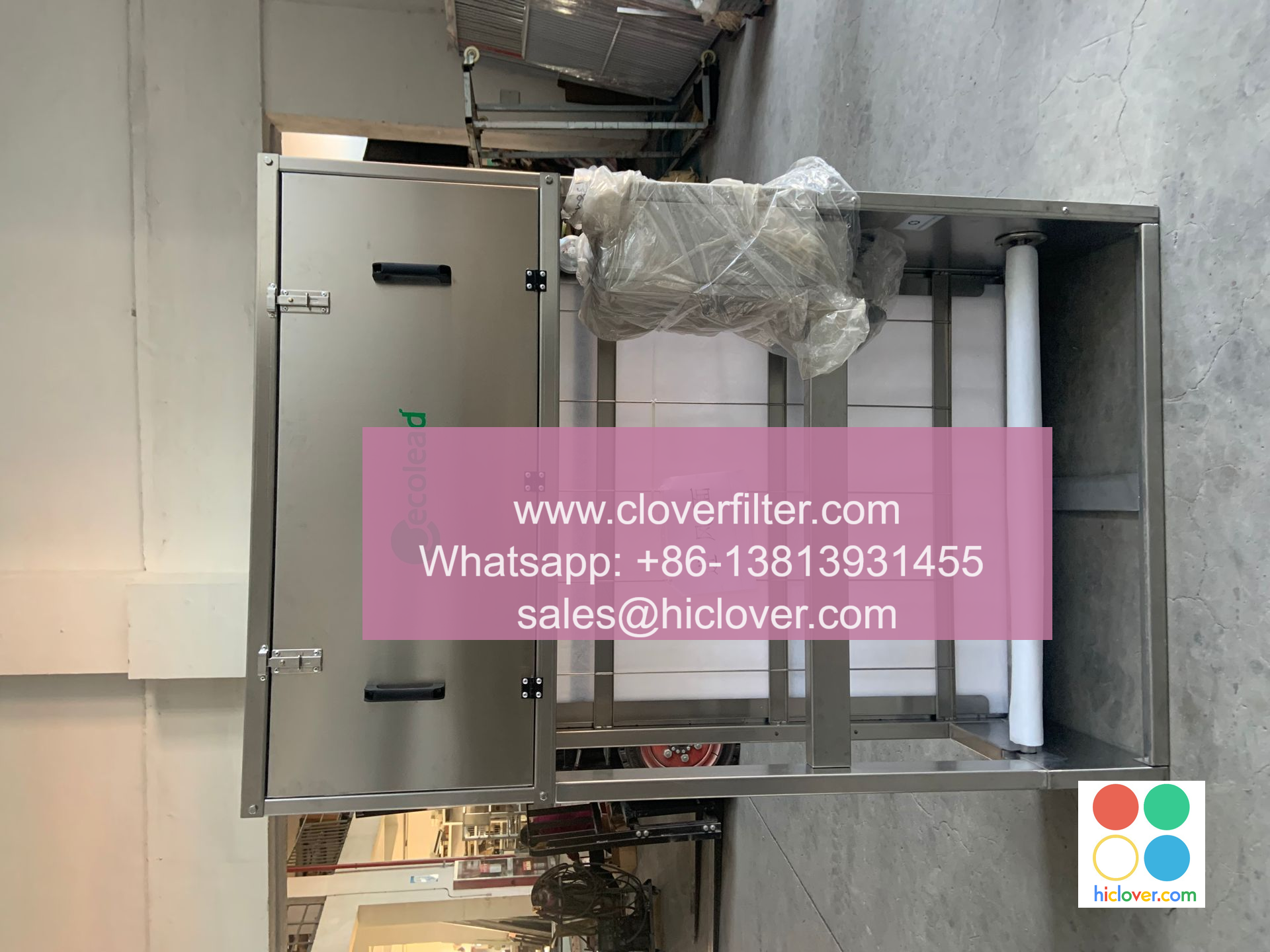
Air filter quality control is a critical aspect of maintaining good indoor air quality and ensuring the efficient operation of heating, ventilation, and air conditioning (HVAC) systems. One of the key components of air filter quality control is filter monitoring, which involves tracking the performance and condition of air filters to ensure they are functioning optimally. In this article, we will explore the importance of filter monitoring in air filter quality control and its applications in various industries, including Indoor Air Quality (IAQ) Management, HVAC System Optimization, and Cleanroom Technology.
Introduction to Filter Monitoring

Filter monitoring involves the use of various techniques and technologies to track the condition and performance of air filters. This can include Pressure Drop Monitoring, Dust Spot Testing, and Scanning Electron Microscopy (SEM). By monitoring the condition of air filters, facility managers and maintenance personnel can identify when filters need to be replaced or cleaned, ensuring that the air filtration system is operating efficiently and effectively.
Applications of Filter Monitoring
Filter monitoring has a wide range of applications across various industries, including:
-
Indoor Air Quality (IAQ) Management
: Filter monitoring is essential for maintaining good IAQ in commercial and residential buildings. By tracking the condition and performance of air filters, facility managers can ensure that the air is clean and free of contaminants, creating a healthy and comfortable indoor environment.
-
HVAC System Optimization
: Filter monitoring is also critical for optimizing the performance of HVAC systems. By tracking the condition of air filters, maintenance personnel can identify when filters need to be replaced or cleaned, reducing energy consumption and extending the lifespan of the system.
-
Cleanroom Technology
: In cleanroom environments, filter monitoring is essential for maintaining the high levels of air cleanliness required for sensitive manufacturing processes. By tracking the condition and performance of air filters, cleanroom managers can ensure that the air is free of contaminants and that the environment is suitable for production.
-
Improved Indoor Air Quality
: Filter monitoring helps to ensure that the air is clean and free of contaminants, creating a healthy and comfortable indoor environment.
-
Energy Efficiency
: By tracking the condition of air filters, maintenance personnel can identify when filters need to be replaced or cleaned, reducing energy consumption and extending the lifespan of the system.
-
Extended Filter Life
: Filter monitoring helps to extend the life of air filters by identifying when they need to be replaced or cleaned, reducing the need for frequent replacements.
-
Cost Savings
: Filter monitoring can help to reduce costs by minimizing the need for frequent filter replacements and reducing energy consumption.

Benefits of Filter Monitoring
The benefits of filter monitoring are numerous and include:
Conclusion
In conclusion, filter monitoring is a critical component of air filter quality control, playing a vital role in maintaining good indoor air quality, optimizing HVAC system performance, and ensuring the efficiency of cleanroom environments. By tracking the condition and performance of air filters, facility managers and maintenance personnel can identify when filters need to be replaced or cleaned, creating a healthy and comfortable indoor environment while reducing energy consumption and extending the lifespan of the system. As the importance of Air Quality Monitoring and Sustainability continues to grow, the role of filter monitoring in air filter quality control will become increasingly important, driving the development of new technologies and innovations in the field of Air Filtration.
Prompt
