Air Filter Quality: The Impact of Filter Material on Performance
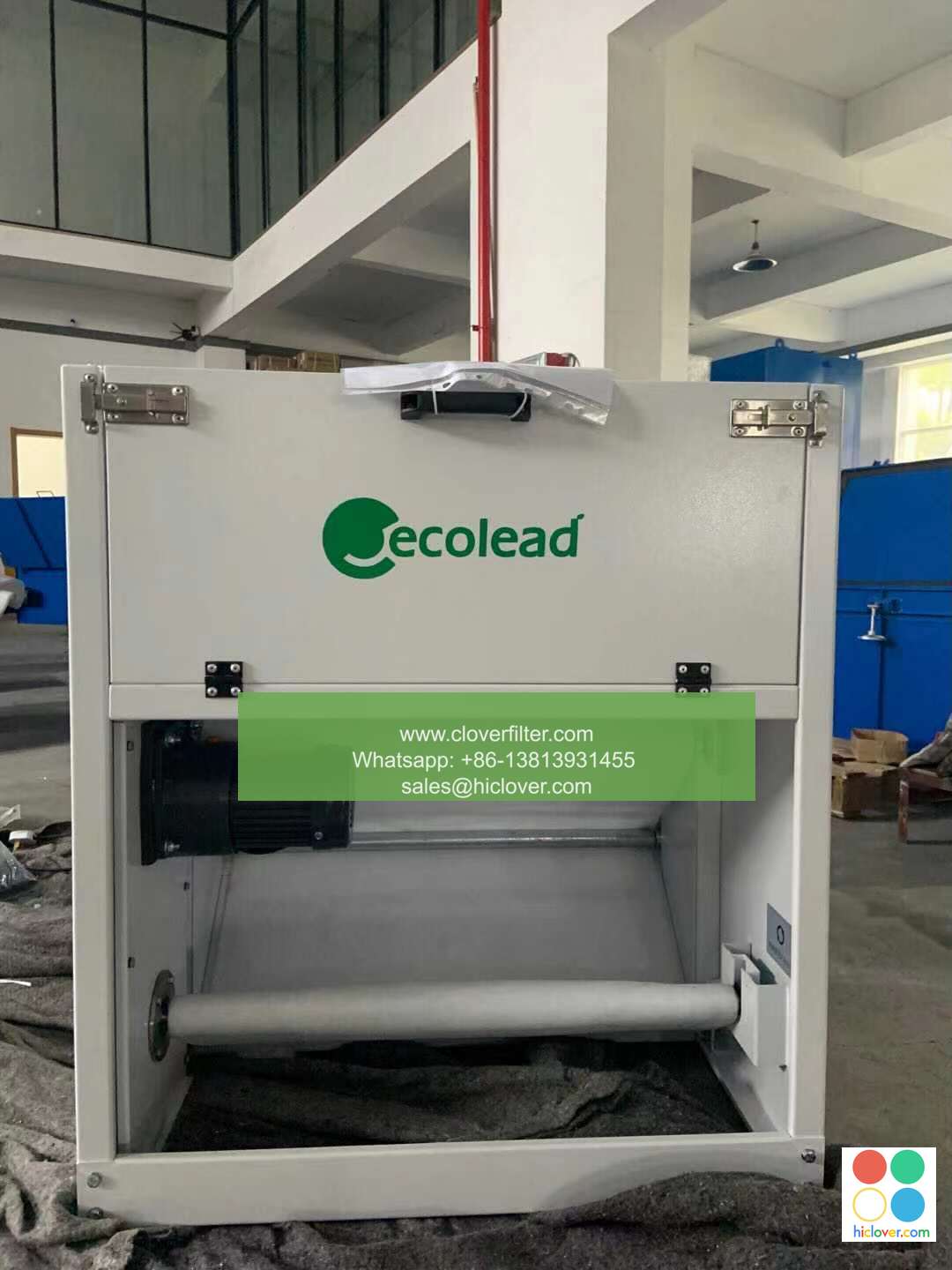
The quality of an air filter is largely dependent on the type of filter material used. Different materials offer varying levels of efficiency, durability, and overall performance. In this article, we will delve into the world of air filter materials, exploring their characteristics, advantages, and application areas. We will also discuss the importance of indoor air quality, heating, ventilation, and air conditioning (HVAC) systems, and air pollution control.
Types of Filter Materials
There are several types of filter materials available, each with its own unique properties. Some of the most common materials include:
* Fiberglass: A cost-effective and widely used material, fiberglass filters are suitable for basic air filtration systems. However, they have limited efficiency and may not capture smaller particles.
* Polyester: A step up from fiberglass, polyester filters offer improved efficiency and durability. They are often used in commercial air filtration systems and industrial air cleaning applications.
* Activated Carbon: This material is designed to capture gases and odors, making it ideal for air purification systems and odor control applications.
* HEPA (High Efficiency Particulate Air): HEPA filters are renowned for their exceptional efficiency, capturing 99.97% of particles as small as 0.3 microns. They are commonly used in hospital air filtration systems, pharmaceutical applications, and cleanroom environments.
* ULPA (Ultra Low Penetration Air): ULPA filters offer even higher efficiency than HEPA filters, making them suitable for highly sensitive applications such as laboratory air filtration and nanotechnology research.
Application Areas
Air filters are used in a wide range of applications, including:
* Residential air filtration: Improving indoor air quality and reducing allergy symptoms in homes.
* Commercial air filtration: Maintaining a healthy and productive environment in offices, shopping centers, and hotels.
* Industrial air cleaning: Removing hazardous particles and gases in manufacturing facilities, warehouses, and construction sites.
* Healthcare air filtration: Protecting patients and staff from infectious diseases and airborne pathogens in
* Automotive air filtration: Improving car interior air quality and reducing driver fatigue in vehicles.
Performance Factors
When selecting an air filter, several performance factors should be considered, including:
* Efficiency: The ability of the filter to capture particles of a specific size.
* Pressure drop: The resistance to airflow, which can impact energy consumption and system performance.
* Dust holding capacity: The amount of particles the filter can capture before needing to be replaced.
* Filter life: The length of time the filter can be used before needing to be replaced or cleaned.

Conclusion
In conclusion, the quality of an air filter is heavily dependent on the type of filter material used. By understanding the characteristics and advantages of different materials, individuals can select the most suitable filter for their specific application. Whether it’s for residential, commercial, or industrial use, a high-quality air filter can significantly improve indoor air quality, reduce energy consumption, and promote a healthier environment. By considering factors such as efficiency, pressure drop, and filter life, individuals can make an informed decision and choose the best air filter for their needs. You haven’t asked a question or provided a prompt for me to respond to. What would you like to talk about or ask? I’ll do my best to provide a helpful and direct response.
