Air Filter Regulations and Blockchain: Secure Data Management
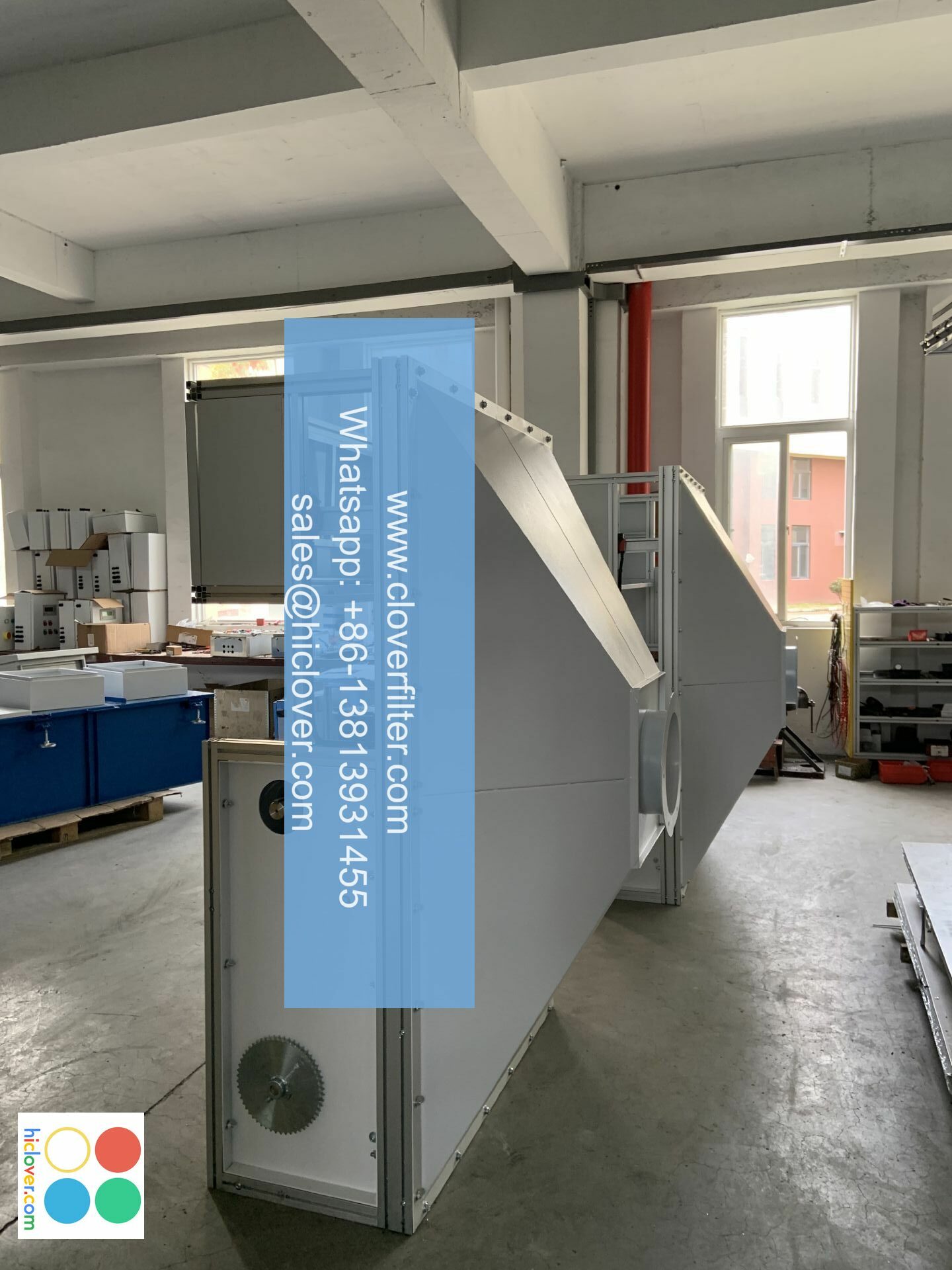
The increasing concern about air quality and the need for efficient air filter systems has led to the development of stringent Air Filter Regulations. These regulations aim to ensure that air filters used in various industries, including HEPA Filter Systems, Industrial Air Purification, and Commercial HVAC Systems, meet certain standards for performance, safety, and environmental sustainability. However, managing and verifying compliance with these regulations can be a complex task, involving multiple stakeholders, data sources, and certification processes. This is where Blockchain Technology comes into play, offering a secure, decentralized, and transparent solution for data management.
Blockchain-based Air Filter Regulation Compliance
By leveraging Blockchain-based Data Management, air filter manufacturers, regulators, and users can ensure that all relevant information, such as Air Filter Testing Data, Certification Documents, and Maintenance Records, is stored securely and can be accessed in real-time. This approach enables:
* Immutable Data Storage: All data related to air filter testing, certification, and maintenance is stored on a Decentralized Ledger, ensuring that it cannot be altered or tampered with.
* Transparent Supply Chain Management: Blockchain-based Track and Trace capabilities allow for the monitoring of air filters throughout the supply chain, from manufacturing to installation and maintenance.
* Automated Compliance Verification: Smart Contracts can be used to automate the verification of compliance with air filter regulations, reducing the need for manual inspections and audits.
Application Areas for Blockchain in Air Filter Regulations
The integration of blockchain technology in air filter regulations has various application areas, including:
* Indoor Air Quality Monitoring: Blockchain-based systems can be used to monitor and manage Indoor Air Quality Data, ensuring that air filters are functioning correctly and providing a healthy environment for occupants.
* Air Filter Certification and Labeling: Blockchain can be used to create a secure and transparent certification process for air filters, ensuring that products meet regulatory standards and reducing the risk of counterfeiting.
* Air Filter Maintenance and Replacement: Blockchain-based systems can be used to track the maintenance history of air filters, ensuring that they are replaced or serviced on time, and reducing the risk of air quality issues.
Benefits of Blockchain in Air Filter Regulations
The use of blockchain technology in air filter regulations offers several benefits, including:
* Improved Transparency and Accountability: Blockchain provides a transparent and tamper-proof record of all data related to air filter testing, certification, and maintenance.
* Enhanced Security and Integrity: blockchain-based systems ensure that all data is stored securely and can be accessed only by authorized parties.
* Increased Efficiency and Cost Savings: Automation of compliance verification and supply chain management processes can reduce manual errors, increase efficiency, and lower costs.

Conclusion
In conclusion, the integration of blockchain technology in air filter regulations offers a secure, decentralized, and transparent solution for data management. By leveraging blockchain, air filter manufacturers, regulators, and users can ensure compliance with regulations, improve indoor air quality, and reduce the risk of air quality issues. As the adoption of blockchain technology continues to grow, we can expect to see more innovative applications of this technology in the field of air filter regulations and beyond. It seems like you forgot to include the prompt. Please go ahead and provide the prompt, and I’ll be happy to help!
