Air Filter Regulations and Certification: A Guide to Demonstrating Competency
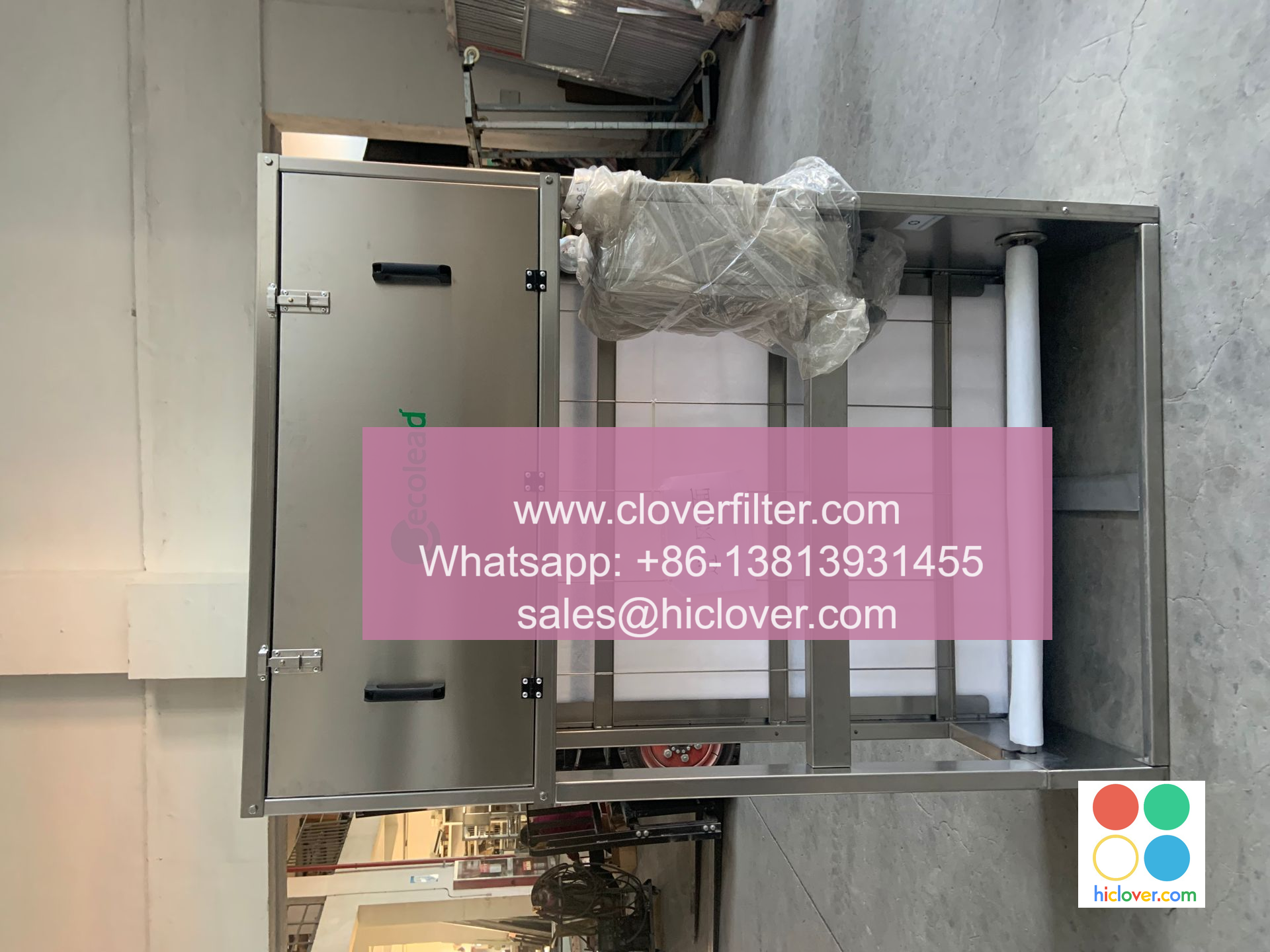
The air filtration industry is subject to various regulations and standards that ensure the quality and performance of air filters. In this article, we will delve into the world of air filter regulations and certification, highlighting the importance of demonstrating competency in this field. We will also explore the various application areas where air filters are used, including industrial air filtration, commercial HVAC systems, and residential air purification.
Introduction to Air Filter Regulations
Air filter regulations are put in place to ensure that air filters meet certain standards for performance, safety, and environmental sustainability. These regulations are typically established by government agencies, such as the Environmental Protection Agency (EPA) and the Occupational Safety and Health Administration (OSHA). Some of the key regulations governing the air filtration industry include the Clean Air Act and the ASHRAE (American Society of Heating, Refrigerating, and Air-Conditioning Engineers) standards.
Certification Programs for Air Filters
To demonstrate competency in the air filtration industry, manufacturers and suppliers must obtain certification from reputable third-party organizations. Some of the most recognized certification programs for air filters include:
* HEPA (High Efficiency Particulate Air) certification, which ensures that air filters can capture at least 99.97% of particles as small as 0.3 microns.
* MERV (Minimum Efficiency Reporting Value) certification, which rates air filters based on their ability to capture particles of different sizes.
* UL (Underwriters Laboratories) certification, which ensures that air filters meet certain standards for safety and performance.
Air filters are used in a wide range of applications, including:
* Industrial air filtration, where air filters are used to remove pollutants and contaminants from the air in manufacturing facilities and other industrial settings.
* Commercial HVAC systems, where air filters are used to improve indoor air quality and reduce energy consumption in office buildings, schools, and other commercial facilities.
* Residential air purification, where air filters are used to remove allergens, bacteria, and other pollutants from the air in homes and apartments.

Demonstrating Competency in Air Filter Regulations and Certification
To demonstrate competency in air filter regulations and certification, manufacturers and suppliers must stay up-to-date on the latest regulations and standards governing the industry. This can be achieved by:
* Attending industry conferences and workshops, where professionals can learn about the latest developments in air filter regulations and certification.
* Participating in certification programs, such as those offered by the ASHRAE and the National Air Filtration Association (NAFA).
* Conducting regular testing and evaluation of air filters to ensure that they meet the required standards for performance and safety.
Conclusion
In conclusion, air filter regulations and certification are critical components of the air filtration industry. By understanding the various regulations and standards governing the industry, manufacturers and suppliers can demonstrate their competency and commitment to providing high-quality air filters. Whether you are involved in industrial air filtration, commercial HVAC systems, or residential air purification, it is essential to stay up-to-date on the latest developments in air filter regulations and certification. By doing so, you can ensure that your air filters meet the required standards for performance, safety, and environmental sustainability. You haven’t asked a question or provided any context. What would you like to talk about?
