Air Filter Regulations and Cleaning
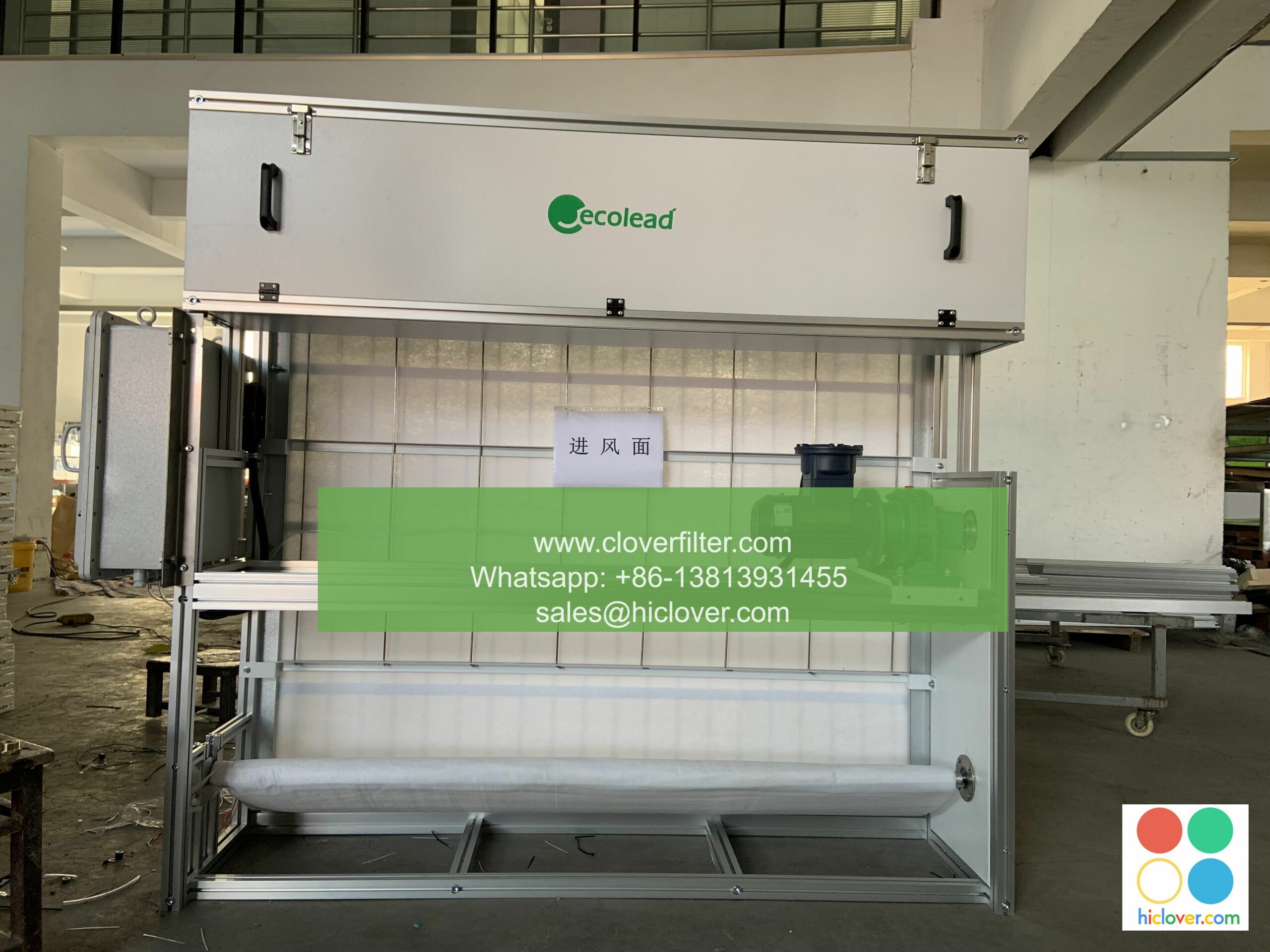
Air filters play a crucial role in maintaining indoor air quality, and their proper maintenance is essential to ensure they function effectively. In this article, we will delve into the world of air filter regulations and cleaning, highlighting various application areas, including HEPA filter applications, industrial air filtration systems, and residential air purification systems.
##
Air Filter Regulations: Understanding the Standards
Air filter regulations are established to ensure that air filters meet certain standards for efficiency, safety, and environmental sustainability. The American Society of Heating, Refrigerating, and Air-Conditioning Engineers (ASHRAE) and the International Organization for Standardization (ISO) are two prominent organizations that set guidelines for air filter performance. These regulations cover aspects such as filter efficiency, airflow resistance, and emissions control.
##
Importance of Air Filter Cleaning
Regular air filter cleaning is vital to maintain the optimal performance of air filters. Dirty or clogged air filters can lead to reduced airflow, increased energy consumption, and decreased indoor air quality. Moreover, neglecting air filter maintenance can result in the growth of mold and bacteria, which can exacerbate respiratory issues and other health problems. By cleaning air filters regularly, individuals can ensure their air filtration systems operate efficiently and effectively.
##
Application Areas: Industrial, Commercial, and Residential
Air filters are used in various application areas, including:
* Industrial air filtration systems: These systems are designed to capture hazardous particles and gases in industrial settings, such as manufacturing facilities and construction sites.
* Commercial air purification systems: These systems are used in commercial buildings, such as offices, schools, and hospitals, to maintain good indoor air quality and prevent the spread of airborne diseases.
* Residential air purification systems: These systems are designed for home use and can help remove allergens, pollutants, and odors from the air, creating a healthier living environment.
##

Types of Air Filters and their Cleaning Requirements
There are several types of air filters, each with its unique cleaning requirements. Some common types of air filters include:
* HEPA filters: These filters are designed to capture 99.97% of particles as small as 0.3 microns and require regular vacuuming and replacement every 1-3 years.
* Activated carbon filters: These filters are used to capture odors and gases and typically require replacement every 1-6 months.
* Electrostatic filters: These filters use electrostatic charges to capture particles and require regular washing and drying to maintain their effectiveness.
##
Conclusion
In conclusion, air filter regulations and cleaning are critical aspects of maintaining good indoor air quality. By understanding the regulations and standards set by organizations like ASHRAE and ISO, individuals can ensure their air filters meet the required standards. Regular air filter cleaning and maintenance are essential to prevent reduced airflow, increased energy consumption, and decreased indoor air quality. Whether it’s for industrial air filtration systems, commercial air purification systems, or residential air purification systems, proper air filter maintenance is vital to create a healthier and more sustainable environment. You haven’t asked a question or provided any context. What would you like to talk about?
