Air Filter Regulations and Disaster Recovery: A Plan for Sustainability
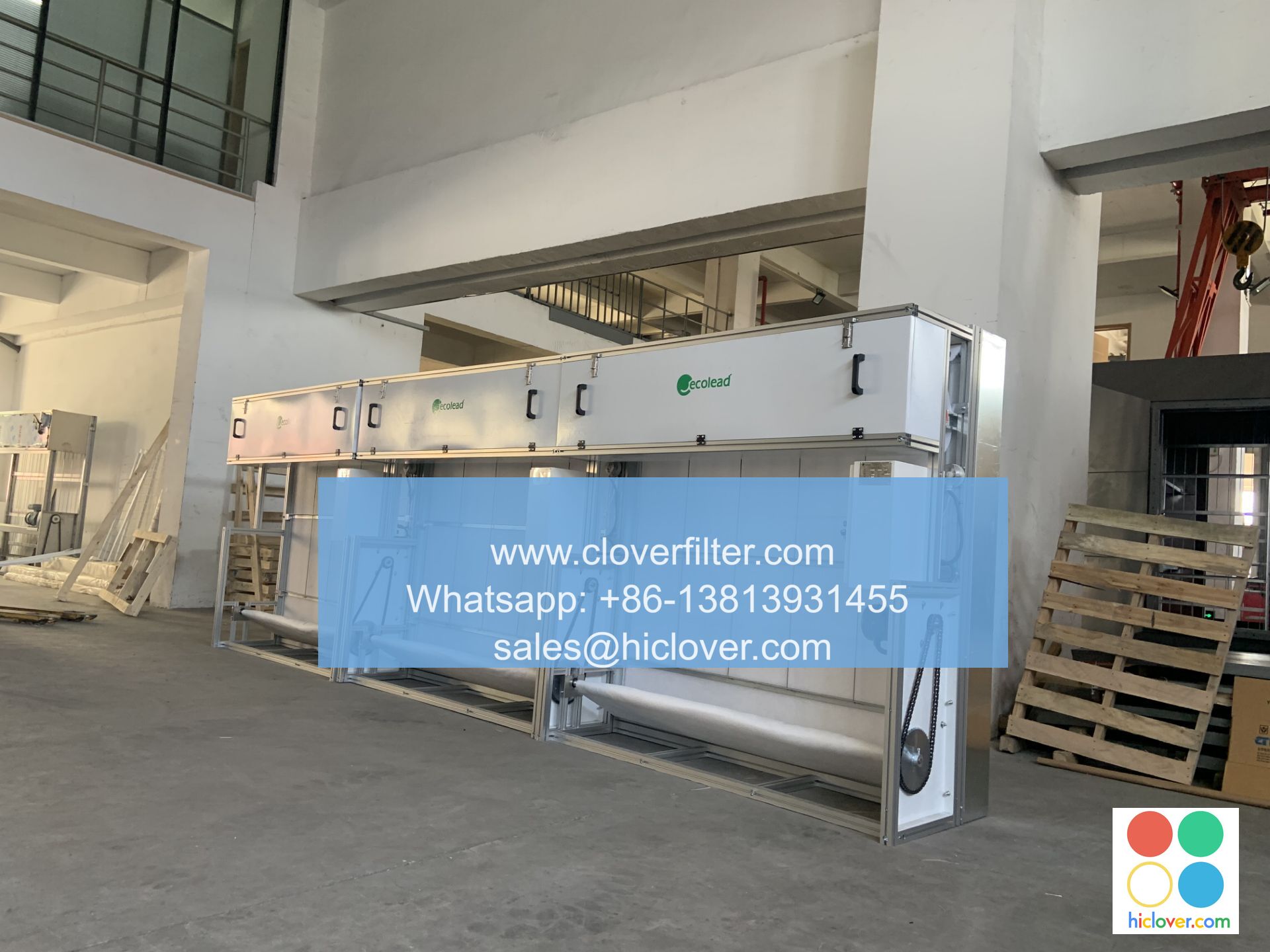
As the world grapples with the challenges of climate change, air pollution, and environmental sustainability, the importance of air filter regulations and disaster recovery planning cannot be overstated. In this article, we will explore the intersection of these two critical areas and provide a plan for achieving sustainability in the face of environmental disasters.
Introduction to Air Filter Regulations
Air filters play a crucial role in maintaining indoor air quality and preventing the spread of airborne diseases. However, the lack of standardized air filter regulations can lead to inconsistent performance and reduced effectiveness. To address this issue, regulatory bodies such as the Environmental Protection Agency (EPA) and the American Society of Heating, Refrigerating, and Air-Conditioning Engineers (ASHRAE) have established guidelines for air filter testing and certification.
Key Applications of Air Filter Regulations
Air filter regulations have a wide range of applications, including:
* Commercial HVAC systems: Air filters in commercial buildings must meet specific standards for airflow, filtration efficiency, and pressure drop to ensure optimal performance and energy efficiency.
* Industrial processes: Air filters in industrial settings, such as manufacturing facilities and power plants, must be designed to handle high-velocity airflow and high-temperature applications.
* Residential buildings: Air filters in homes and apartments must meet standards for indoor air quality and allergen removal to protect occupants from airborne pollutants.
Disaster Recovery Planning for Sustainability
Disaster recovery planning is critical for ensuring business continuity and environmental sustainability in the face of natural disasters and man-made disasters. A comprehensive disaster recovery plan should include:
* Risk assessment: Identifying potential risks and vulnerabilities to air filter systems and HVAC infrastructure.
* Emergency response planning: Developing procedures for responding to disasters and emergencies, including air filter replacement and data recovery.
* Backup systems: Implementing backup power systems and emergency generators to ensure continued operation of air filter systems and HVAC equipment.

Best Practices for Sustainable Disaster Recovery
To ensure sustainable disaster recovery, organizations should adopt the following best practices:
* Conduct regular maintenance: Regularly inspect and maintain air filter systems and HVAC equipment to prevent equipment failure and reduce downtime.
* Implement energy-efficient systems: Install energy-efficient air filters and HVAC systems to reduce energy consumption and greenhouse gas emissions.
* Use sustainable materials: Specify sustainable materials and recyclable components in air filter design and manufacturing.
Conclusion
In conclusion, air filter regulations and disaster recovery planning are critical components of a comprehensive plan for sustainability and environmental responsibility. By understanding the importance of air filter regulations and implementing disaster recovery planning best practices, organizations can reduce their environmental footprint, ensure business continuity, and promote sustainable development. As we move forward in an increasingly complex and environmentally challenging world, the importance of air filter regulations and disaster recovery planning will only continue to grow. It seems like you’re ready to start a conversation or need assistance with something, but you haven’t specified what’s on your mind. Could you please provide more details or ask a question? I’m here to help with any inquiries or topics you’d like to discuss.
