Air Filter Regulations and Health
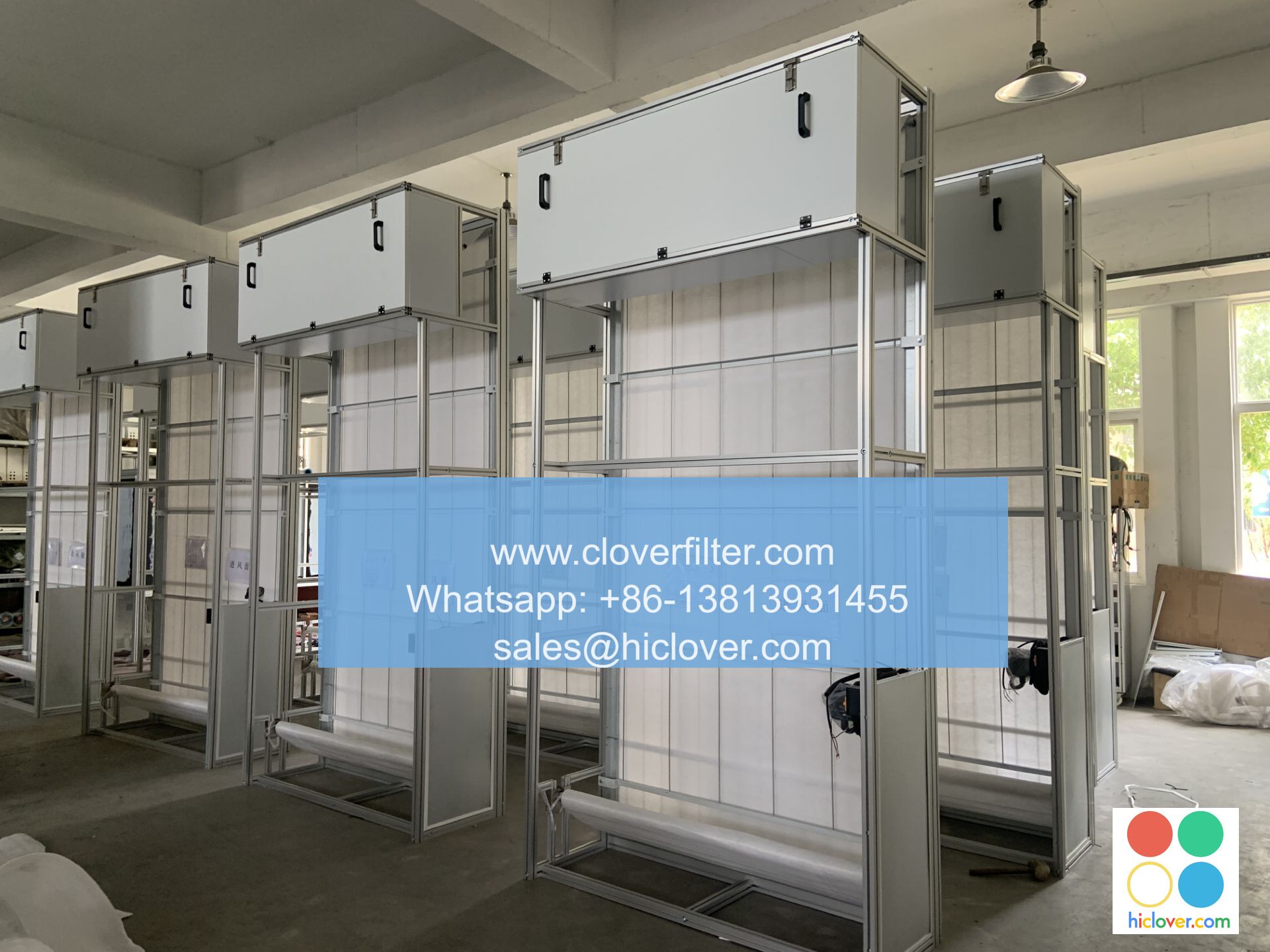
The importance of air filter regulations cannot be overstated, as they play a crucial role in maintaining good indoor air quality (IAQ) and protecting public health and wellness. In this article, we will delve into the world of air filter regulations, exploring their significance, various application areas, and the health benefits associated with using high-quality air filters.
Why Air Filter Regulations Matter
Air filter regulations are put in place to ensure that the air we breathe is free from harmful pollutants and particulate matter (PM). The Environmental Protection Agency (EPA) and other regulatory bodies have established guidelines for air filter manufacturers to follow, guaranteeing that their products meet certain standards for efficiency and effectiveness. These regulations are critical in preventing the spread of airborne diseases and promoting overall wellness and health.
Application Areas for Air Filter Regulations
Air filter regulations have far-reaching implications across various industries, including:
* Residential and commercial HVAC systems, where air filters play a key role in maintaining good indoor air quality (IAQ)
* Industrial settings, such as manufacturing facilities and cleanrooms, where air filtration is essential for preventing contamination and ensuring product quality
* Transportation systems, including aircraft and automotive industries, where air filters help maintain a healthy cabin environment
* Medical facilities, such as hospitals and clinics, where air filtration is critical for preventing the spread of infections and ensuring patient health
Health Benefits of Air Filter Regulations
The implementation of air filter regulations has numerous health benefits, including:
* Reduced risk of respiratory diseases, such as asthma and COPD
* Prevention of airborne infections, including influenza and tuberculosis
* Improved cardiovascular health, as exposure to air pollution is linked to an increased risk of heart disease
* Enhanced cognitive function, as clean air has been shown to improve productivity and concentration

Future Directions for Air Filter Regulations
As our understanding of the importance of air quality and public health continues to grow, we can expect to see even more stringent air filter regulations in the future. Emerging trends, such as the use of nanofiltration and UV-C technology, will likely play a key role in shaping the future of air filtration. Additionally, the increasing focus on sustainability and energy efficiency will drive the development of more environmentally friendly air filter solutions.
In conclusion, air filter regulations are a critical component of maintaining good indoor air quality (IAQ) and protecting public health and wellness. By understanding the significance of these regulations and their application areas, we can work towards creating a healthier, more sustainable future for generations to come. Prompt
