Air Filter Regulations and Testing
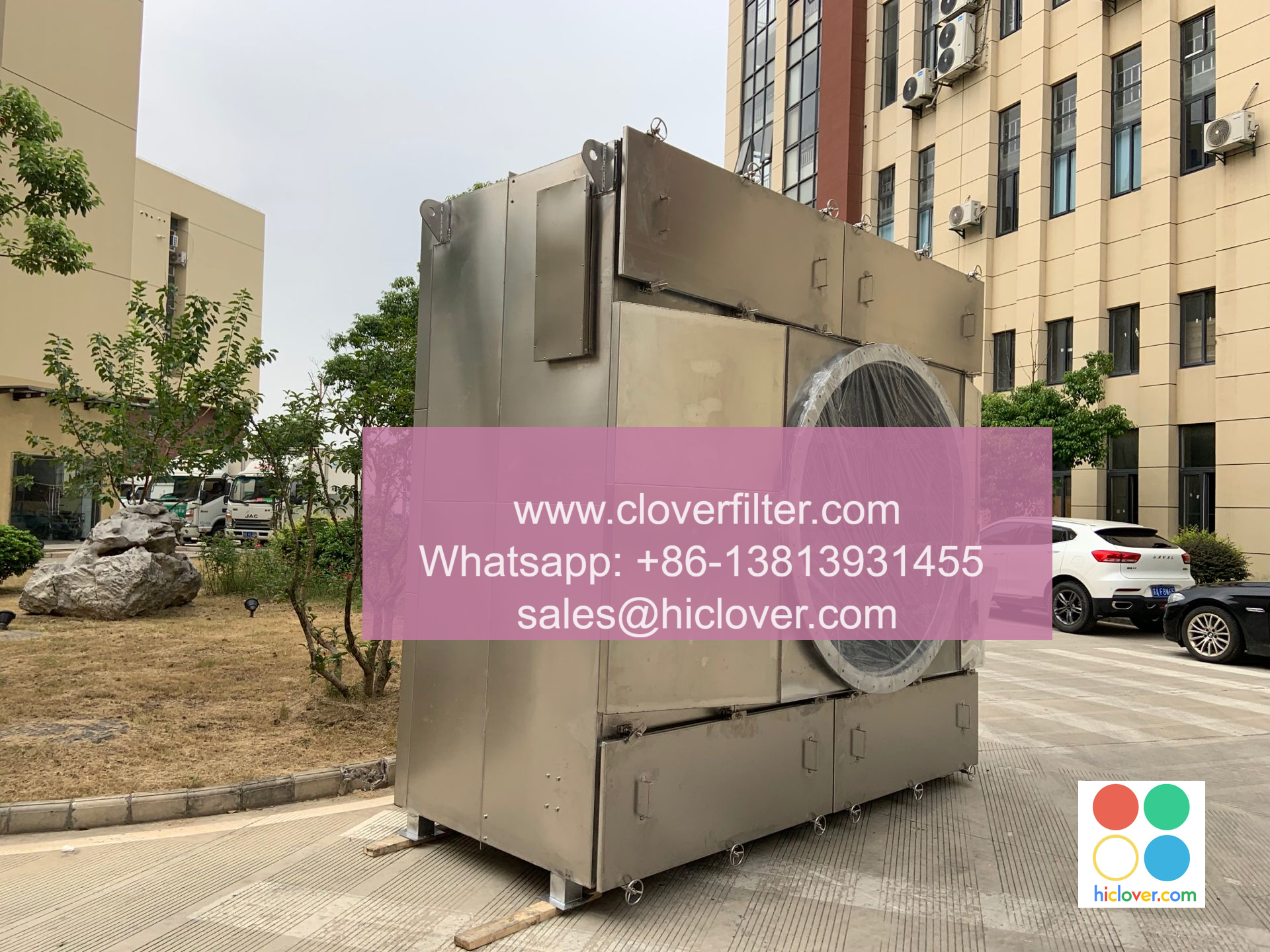
As the world grapples with the challenges of air pollution and its impact on indoor air quality, the need for effective air filtration systems has never been more pressing. In response, governments and regulatory bodies have established air filter regulations to ensure that air filtration products meet certain standards of performance and safety. In this article, we will delve into the world of air filter testing and explore the various application areas where these regulations play a critical role.
Why Air Filter Regulations Matter
Air filter regulations are designed to protect public health by ensuring that air filtration systems are capable of removing harmful airborne pollutants such as particulate matter (PM), volatile organic compounds (VOCs), and nitrogen dioxide (NO2). These regulations also help to prevent the spread of airborne diseases and promote indoor air quality in commercial buildings, residential homes, and industrial facilities.
Key Application Areas
Air filter regulations have a significant impact on various application areas, including:
* Commercial HVAC systems: Air filter testing is crucial in ensuring that commercial heating, ventilation, and air conditioning (HVAC) systems are equipped with high-efficiency air filters that can remove airborne contaminants and maintain indoor air quality.
* Industrial air filtration: Air filter regulations play a vital role in industrial settings where airborne pollutants can pose significant health risks to workers. Air filter testing helps to ensure that industrial air filtration systems are effective in removing hazardous airborne particles.
* Residential air purification: Air filter regulations are also important in residential settings where air purification systems are used to remove airborne allergens and pollutants. Air filter testing helps to ensure that residential air purification systems are effective in maintaining indoor air quality.
Testing and Certification
To ensure compliance with air filter regulations, air filtration products must undergo rigorous testing and certification processes. These processes involve evaluating the air filter’s ability to remove airborne pollutants and its overall performance in maintaining indoor air quality. Some of the key testing standards include:
* ASHRAE 52.2: This standard provides a framework for testing and rating air filters based on their ability to remove particulate matter.
* ISO 16890: This international standard provides a framework for testing and classification of air filters based on their ability to remove particulate matter and other airborne pollutants.

Conclusion
In conclusion, air filter regulations and testing play a critical role in ensuring that air filtration systems are effective in maintaining indoor air quality and protecting public health. By understanding the importance of air filter regulations and testing, we can promote the use of high-efficiency air filters and air purification systems in various application areas, including commercial HVAC systems, industrial air filtration, and residential air purification. As the world continues to grapple with the challenges of air pollution, the need for effective air filtration systems and air filter regulations will only continue to grow. It looks like you forgot to include a prompt!
Please go ahead and give me a prompt, and I’ll do my best to assist you. It can be a question, a topic, a task, or anything else you’d like to discuss or explore. I’m here to help!
