Air Filter Replacement 101: A Guide
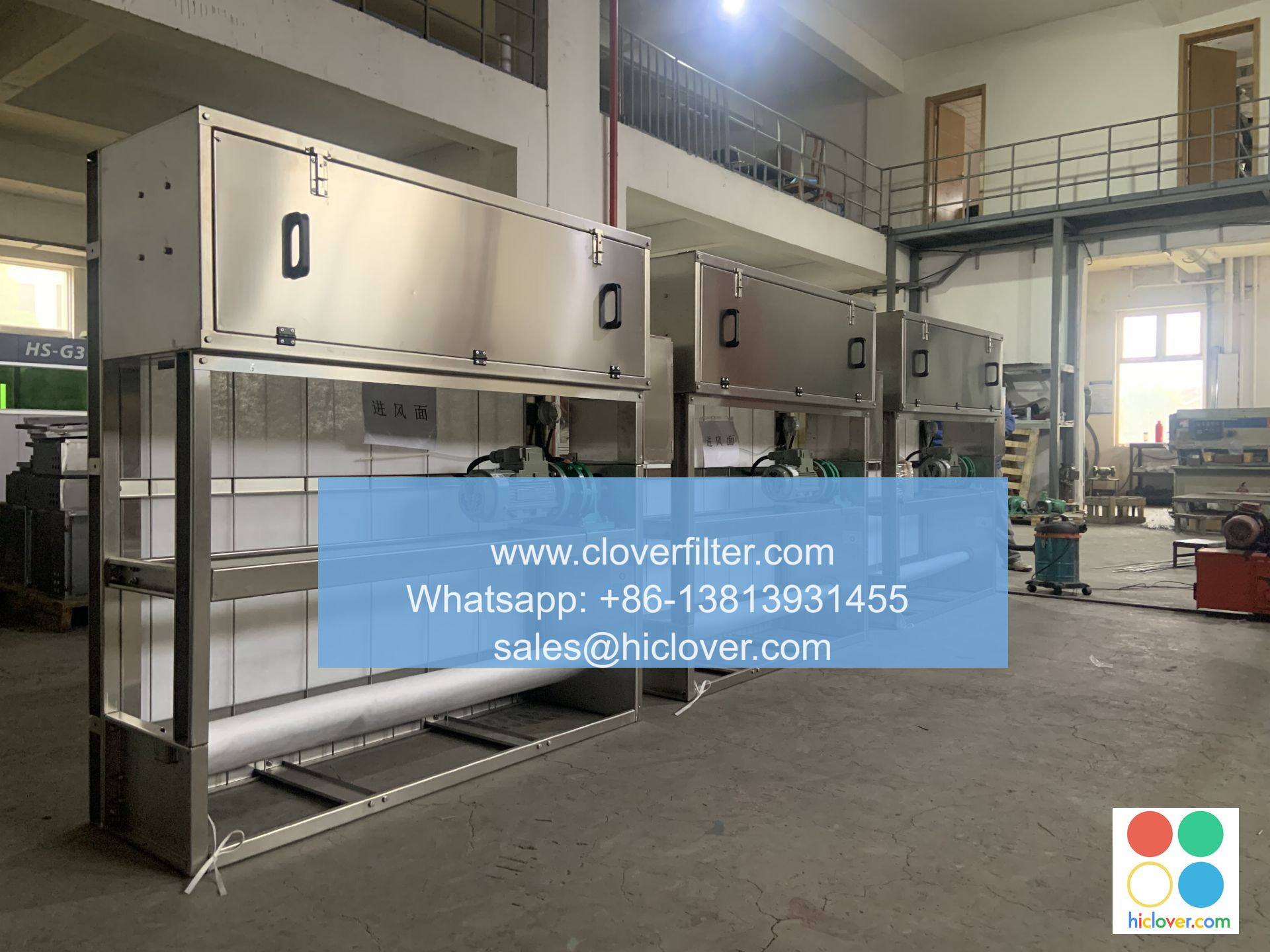
Regular air filter replacement is essential for maintaining good indoor air quality and ensuring the efficient operation of your heating, ventilation, and air conditioning (HVAC) system. In this article, we will provide a comprehensive guide on air filter replacement, including its importance, benefits, and best practices for various application areas.
Why Replace Air Filters?
Replacing air filters regularly is crucial for several reasons. Dirty or clogged air filters can lead to reduced airflow, increased energy consumption, and decreased system performance. Additionally, dirty air filters can harbor mold, bacteria, and other microorganisms that can aggravate respiratory issues and other health problems. Regular air filter replacement can help prevent these issues and ensure a healthy and comfortable indoor environment.
Types of Air Filters
There are several types of air filters available, each with its own unique characteristics and application areas. Some common types of air filters include:
* Fiberglass air filters: These are the most common type of air filter and are designed for basic air filtration needs.
* Pleated air filters: These air filters have a pleated design that allows for increased surface area and improved air filtration efficiency.
* HEPA air filters: These air filters use high-efficiency particulate air (HEPA) technology to capture 99.97% of particles as small as 0.3 microns.
* Activated carbon air filters: These air filters use activated carbon to capture odors and gases in the air.
Application Areas
Air filter replacement is essential for various application areas, including:
* Residential HVAC systems: Regular air filter replacement can help improve indoor air quality and reduce energy consumption in residential HVAC systems.
* Commercial HVAC systems: Air filter replacement is crucial for commercial HVAC systems to maintain good indoor air quality and prevent system downtime.
* Industrial air filtration systems: Air filter replacement is essential for industrial air filtration systems to maintain process control and prevent equipment damage.
* Automotive air filtration systems: Regular air filter replacement can help improve fuel efficiency and reduce emissions in automotive air filtration systems.

Best Practices for Air Filter Replacement
To ensure effective air filter replacement, follow these best practices:
* Check the manufacturer’s recommendations: Check the manufacturer’s recommendations for air filter replacement intervals and filter types.
* Use the correct filter type: Use the correct filter type for your HVAC system or air filtration system.
* Replace filters regularly: Replace air filters regularly to maintain good indoor air quality and prevent system downtime.
* Clean and inspect filters: Clean and inspect air filters regularly to ensure they are functioning properly.
In conclusion, regular air filter replacement is essential for maintaining good indoor air quality and ensuring the efficient operation of your HVAC system or air filtration system. By following the best practices outlined in this guide and using the correct filter type for your application area, you can help prevent system downtime, reduce energy consumption, and improve indoor air quality. Prompt
