Air Filter Replacement Frequency: A Comprehensive Guide
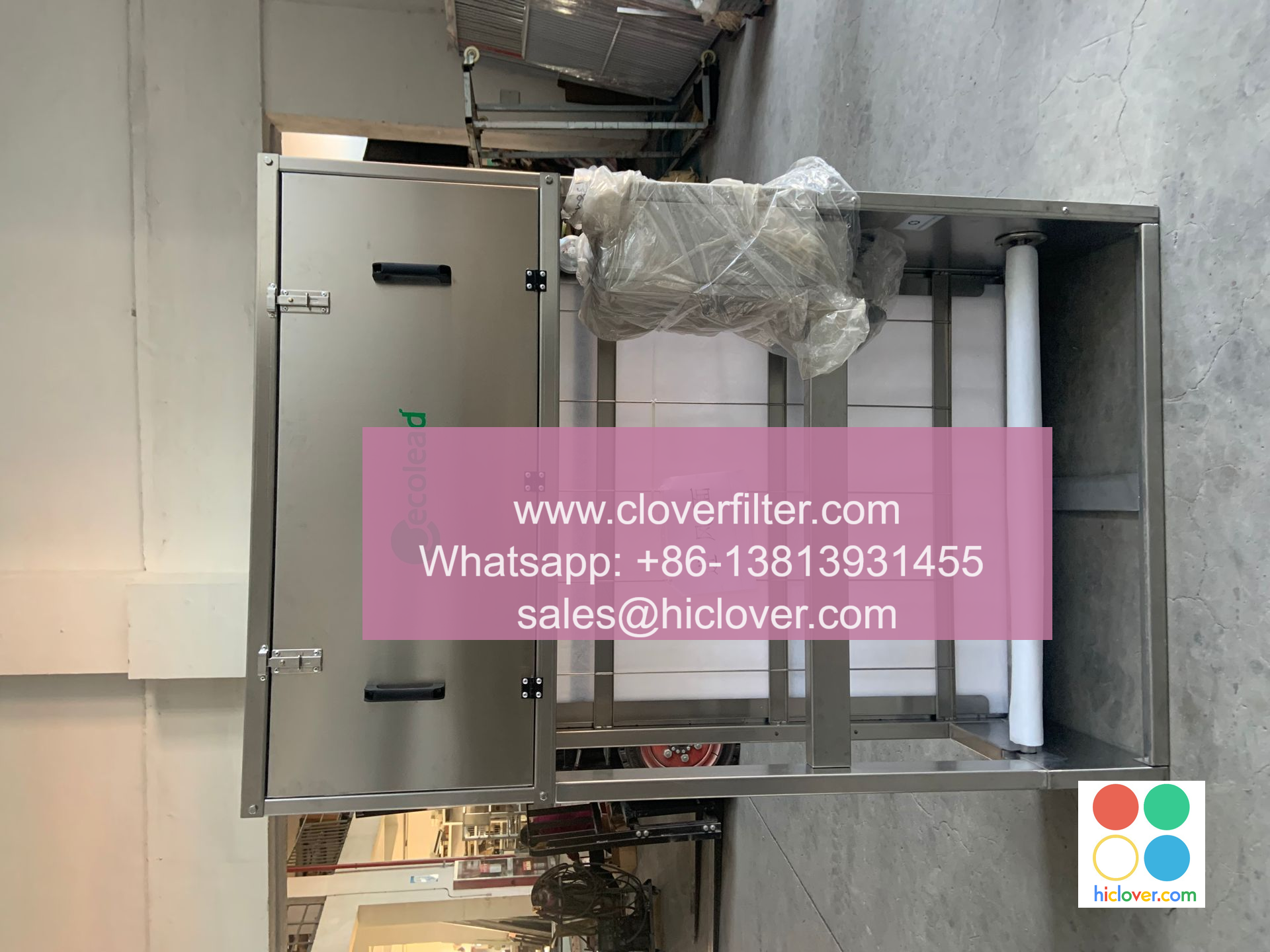
Air Filter Replacement Frequency: A Comprehensive Guide
Table of Content:

- Introduction
- Why Regular Air Filter Replacement is Necessary
- Factors Affecting Air Filter Replacement Frequency
- Air Filter Replacement Frequency by Application Area
- Residential Spaces
- Commercial Buildings
- Industrial Settings
- Automotive and Marine Vessels
- Conclusion
Introduction
Keeping the air in your home or building clean and healthy is crucial for the well-being of its occupants. One of the most effective ways to do this is by changing the air filters regularly. In this article, we will explore the factors that affect air filter replacement frequency, and provide a comprehensive guide on the ideal replacement schedule for various application areas.

Why Regular Air Filter Replacement is Necessary
Poor air quality can have serious health implications, including increased risk of respiratory problems, headaches, and even long-term damage to the lungs. Moreover, dirty air filters can lead to decreased equipment efficiency, increased energy bills, and premature replacement. Regular air filter replacement is essential to:
- Remove pollutants and contaminants from the air
- Reduce allergen and bacteria growth
- Prevent dust and dirt accumulation in equipment and ducts
- Maintain equipment efficiency and extend its lifespan
- Reduce energy consumption and costs
Factors Affecting Air Filter Replacement Frequency
The frequency of air filter replacement depends on several factors, including:
- Cleanliness of the air being filtered
- Filter type and quality
- System usage and operating conditions
- Maintenance and cleaning schedules
Air Filter Replacement Frequency by Application Area
Below is a breakdown of the recommended air filter replacement frequency for different application areas:
Residential Spaces
- Single-story homes: 1-3 months
- Multi-story homes: 1-2 months
- Homes with pets or allergies: 1 month
- Homes with smoke detectors or fireplaces: 1-2 months
Commercial Buildings
- Office spaces: 1-3 months
- Schools and healthcare facilities: 1-2 months
- Restaurants and food service: 1 month
- Retail spaces: 2-3 months
Industrial Settings
- Manufacturing facilities: 1-2 months
- Data centers and server rooms: 1-2 months
- Warehouses and storage facilities: 2-3 months
Automotive and Marine Vessels
- Car filters: 15,000-30,000 miles or as recommended by the manufacturer
- Marine vessel filters: 500-1,000 hours or as recommended by the manufacturer
Conclusion
In conclusion, replacing air filters regularly is crucial to maintain indoor air quality, ensure equipment efficiency, and reduce energy consumption. The frequency of replacement depends on various factors, including the type of filter, system usage, and environmental conditions. By following the guidelines outlined above, you can ensure that the air in your residential, commercial, industrial, or automotive space is clean, healthy, and safe for its occupants.
It seems you typed “Prompt”! Would you like to give me a specific prompt or task to assist you with? I’m here to help with any questions, tasks, or ideas you’d like to discuss.
