Air Filter Replacement Schedules: How Often is Too Often?
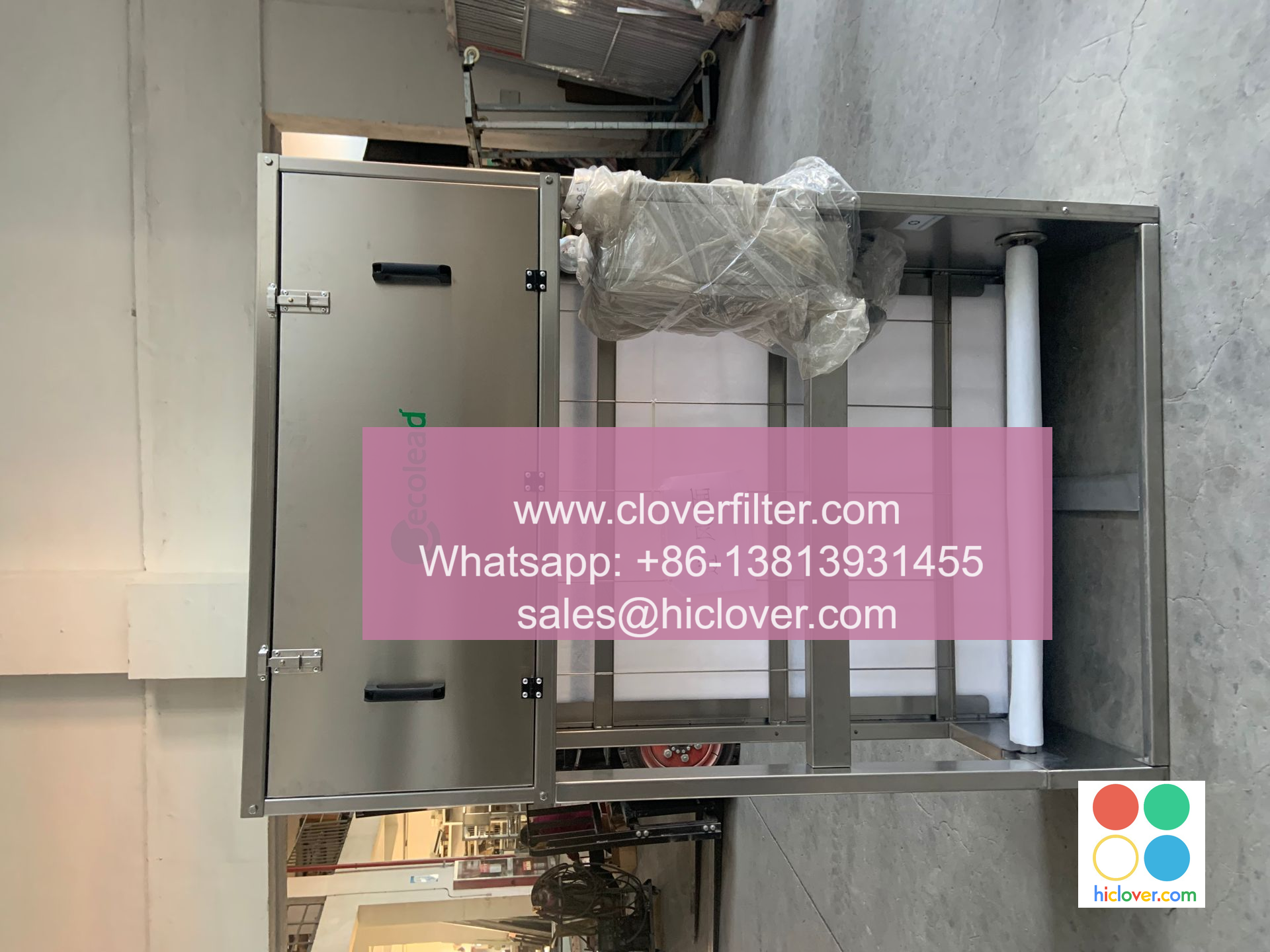
Proper air filter maintenance is crucial for ensuring the indoor air quality and heating, ventilation, and air conditioning (HVAC) system efficiency in residential and commercial settings. One of the most critical aspects of air filter maintenance is replacing them at the right time. But how often is too often? In this article, we’ll delve into the world of air filter replacement schedules and explore the various factors that influence the frequency of replacement.
Understanding Air Filter Types and Applications
Before discussing replacement schedules, it’s essential to understand the different types of air filters and their applications. Furnace filters, AC filters, and air purifier filters are designed for specific use cases and have varying minimum efficiency reporting value (MERV) ratings. For instance, high-efficiency particulate air (HEPA) filters are commonly used in commercial HVAC systems and industrial air filtration applications, while pleated filters are often used in residential HVAC systems.
Factors Influencing Air Filter Replacement Schedules
Several factors contribute to the frequency of air filter replacement, including:
* Usage and occupancy levels: High-traffic areas, such as commercial buildings and industrial facilities, require more frequent filter replacements due to increased air pollution and particulate matter.
* Climate and environmental conditions: Regions with high humidity, pollen counts, or air pollution require more frequent filter replacements to maintain optimal indoor air quality.
* Filter type and quality: High-quality filters with higher MERV ratings can last longer than lower-quality filters, but may still require regular replacement to maintain peak performance.
* System maintenance and upkeep: Regular HVAC system maintenance and air filter cleaning can help extend the life of air filters.
Recommended Air Filter Replacement Schedules
While there’s no one-size-fits-all answer to the question of how often to replace air filters, here are some general guidelines:
* Residential HVAC systems: Replace furnace filters every 1-3 months, depending on usage and occupancy levels.
* Commercial HVAC systems: Replace air filters every 1-6 months, depending on usage, occupancy levels, and indoor air quality requirements.
* Industrial air filtration applications: Replace air filters every 1-12 months, depending on air pollution levels, particulate matter, and system maintenance.

Conclusion
In conclusion, air filter replacement schedules depend on various factors, including air filter type, usage and occupancy levels, climate and environmental conditions, and system maintenance. By understanding these factors and following recommended replacement schedules, you can ensure optimal indoor air quality and HVAC system efficiency in your residential or commercial setting. Remember, proper air filter maintenance is crucial for maintaining a healthy and comfortable indoor environment. It looks like you’re ready to get started, but you haven’t given me a prompt yet. What would you like to talk about or ask? I can help with a wide range of topics, from science and history to entertainment and culture. I can also generate creative writing, answer trivia questions, or just chat with you about your day.
If you’re feeling stuck, here are some ideas to get you started:
* Ask me a question on a topic you’re curious about
* Request a story or poem on a theme of your choice
* Play a game, like “Would you rather…” or “Two truths and a lie”
* Discuss a current event or issue that’s on your mind
* Get recommendations for books, movies, or TV shows
What sounds interesting to you?
