Air Filter Replacement: What You Need to Know
Key Takeaways
- Understanding air filter replacements is crucial for optimal HVAC performance.
- Automatic Roll Air Filters offer efficient particulate control with minimal maintenance.
- Proper selection of air filters is essential for different industrial applications.
- Maintenance reduction and energy savings are significant benefits of modern air filtration systems.
- Compliance with standards like ISO 16890 can guide filter selection and usage.
-
Roll Media Advance Logic: The filter employs a continuous roll of media, which automatically advances based on the differential pressure detected. This means that as the filter becomes loaded with particulates, the system triggers the roll to supply fresh media without requiring user intervention.
-
Differential Pressure Trigger: This feature monitors the pressure drop across the filter. When the pressure reaches a certain threshold, it indicates that the current media is saturated, prompting the system to replace it instantly with fresh media.
-
Timer Mode: Facilities can set a timer enabling scheduled media advancements based on operational hours or particulate levels. This flexibility allows for tailored air filter services to meet specific air quality requirements.
- Airflow Range: Ensure the filter supports the required cubic feet per minute (CFM) specific to your operation.
- Face Velocity: Optimal face velocity should align with your system’s specifications; typically, 300-500 feet per minute is standard.
- Media Width/Length: Match dimensions to your existing systems to ensure seamless integration.
- Frame Size: Ensure compatibility with existing filter frames in the AHU.
- Control Options: Consider whether remote monitoring and automatic control are important features.
- Power Supply: Check the voltage and power requirements to avoid operational issues.
- Installation Location: Distinguish between fresh air intake, return, and process locations to optimize filter placement.
- Ignoring Pressure Drop: Always monitor pressure drop to avoid system overload.
- Neglecting Media Selection: Choose filter media suited to particulate size and type in your industry.
- Overlooked Compliance: Ensure your filters meet industry standards even if not explicitly checked.
- Improper Sizing: Measure existing frames correctly; improper sizes cause inefficiency and increased costs.
- Ignoring Local Conditions: Adjust filters based on local air quality conditions and contamination levels.
- Failure to Maintain: Regularly check and maintain all filters to prolong lifespan and efficiency.
- Underestimating Installation Impact: Position filters strategically within the HVAC system for optimal airflow and filtration.
What is an Automatic Roll Air Filter?
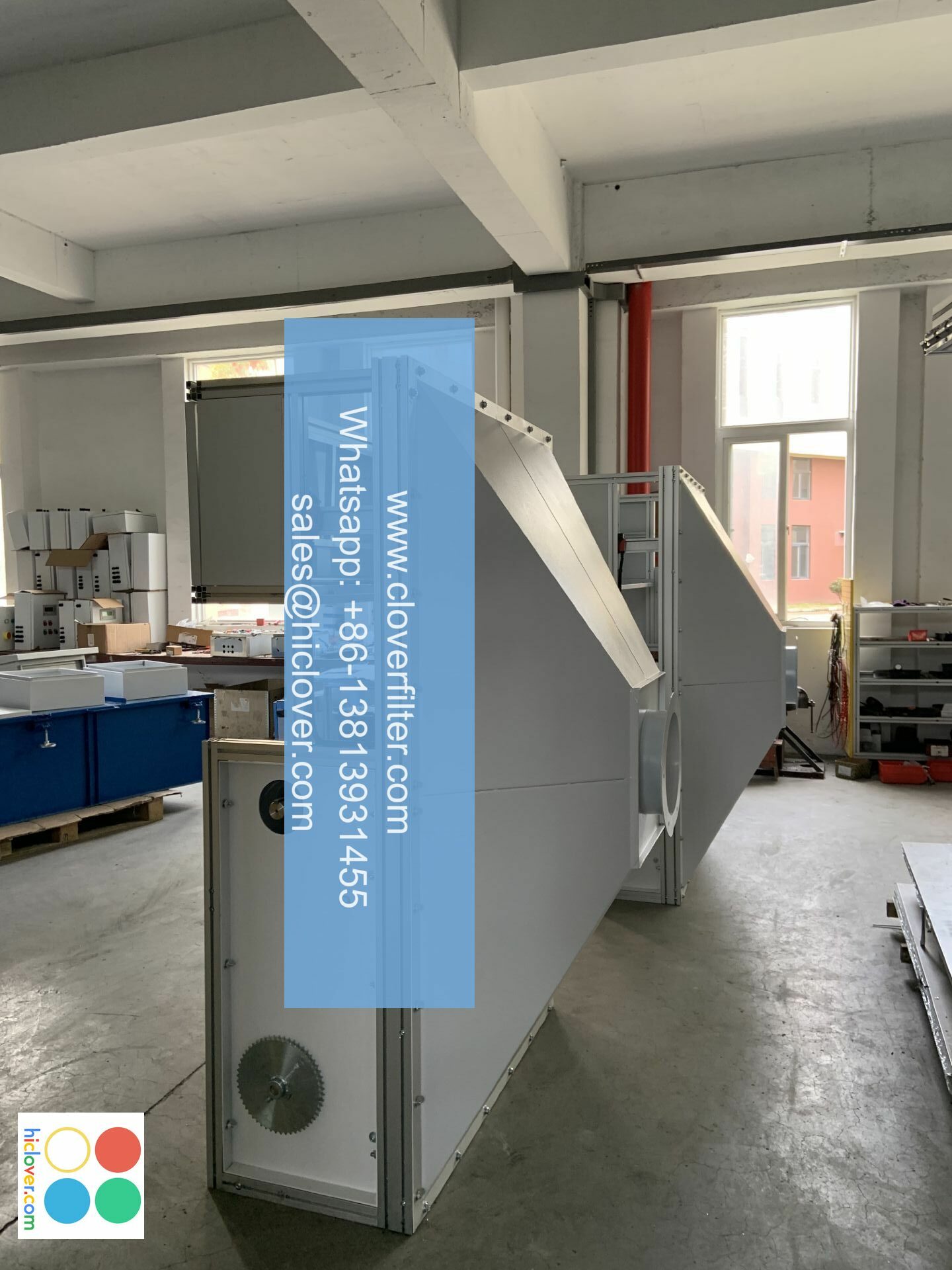
An Automatic Roll Air Filter employs a unique roll media advance logic, allowing for continuous filtration without the need for constant manual replacement. The system operates using a differential pressure trigger that automatically alerts when the media is nearing saturation, ensuring optimal performance and maintaining clean air quality. In addition, an integrated timer mode can be set to regulate the advance of filter media, accommodating varying operational needs and enhancing efficiency. This type of filter is ideally suited for HVAC and AHU systems, particularly in environments requiring high levels of particulate control such as cleanrooms and industrial plants.
How Does an Automatic Roll Air Filter Work?

Practical Selection Guide for Air Filter Services
When selecting an air filter, especially Automatic Roll Air Filters, consider the following parameters:
Comparison of Air Filter Technologies
| Filter Type | Best Use Case | Maintenance | Pressure Drop Behavior | Operating Cost | Typical Risk/Downside |
|---|---|---|---|---|---|
| Automatic Roll Air Filter | Industrial applications requiring low maintenance | Minimal; automatic media advance | Low, remains consistent until media is saturated | Moderate; energy efficient | Initial cost higher than traditional filters |
| Bag Filter | General industrial use | Moderate; periodic filter replacement | Moderate to high; varies with loading | Low to moderate | Requires more maintenance due to frequent changing |
| Panel Filter | HVAC systems in commercial settings | Frequent; needs regular checks | High when clogged | Low | Less air quality due to frequent clogging |
| V-bank | High efficiency needs | Moderate; periodic cleaning | Moderate; dependent on cleaning | Moderate to high | Requires access for maintenance |
Common Mistakes & How to Avoid Them
Real-World Scenarios
1. Data Center
In a high-tech data center, maintaining optimal air quality is crucial for equipment performance. The Automatic Roll Air Filter was deployed, reducing maintenance downtime and ensuring a consistent airflow free of particulates. This implementation not only enhanced operational efficiencies but also led to significant energy savings.
2. Lithium Battery Factory
For a lithium battery factory, controlling dust and particulates is critical to product quality. The installation of an Automatic Roll Air Filter helped maintain compliance with stringent air quality standards while minimizing manual filter changes, leading to a smoother production process.
3. Paint Shop
In a paint booth, the need for clean air is paramount. Automation through the roll filter system ensured that paint particles were effectively controlled without interrupting workflow. The factory reported a marked improvement in air quality and worker satisfaction.
4. Textile/Ssteel/Cement Plant
In industrial facilities such as textile and cement plants, the high levels of airborne pollutants necessitated effective filtration solutions. The Automatic Roll Air Filter streamlined operations by reducing maintenance time and improving air quality, crucial for both employee health and process efficiency.
FAQ Section
1. What are the benefits of using an Automatic Roll Air Filter?
Automatic Roll Air Filters reduce maintenance and enhance energy efficiency by providing continuous filtration without frequent replacements.
2. How often should filters be replaced?
While the automatic system reduces frequency, it is recommended to check and replace filters based on performance metrics or manufacturer guidelines.
3. What is the difference between MERV and ISO ratings?
MERV ratings focus on particle removal efficiency, while ISO ratings provide a broader context for performance across various filter types.
4. Can I install Automatic Roll Air Filters myself?
Professional installation is recommended to ensure compatibility and optimal performance in your HVAC system.
5. How can I verify compliance standards?
Compliance with standards like ISO 16890 and MERV may not always be available upfront; it’s best to check with manufacturers like CloverFilter for documentation upon request.
6. What maintenance is required?
Aside from checking pressure drops and ensuring filters are in working order, minimal maintenance is typically needed compared to traditional filters.
Make informed decisions for your air filtration needs with CloverFilter. For personalized assistance, reach out through our contact page at CloverFilter.
Meta Description: Learn everything you need to know about air filter replacement, focusing on Automatic Roll Air Filters for various industrial applications.
For additional information and insights about air filter services, visit CloverFilter.
It seems like you entered “Prompt.” Could you please provide more details or specify what you would like to discuss or ask about? I’m here to help!
