Air Filter Report: The Benefits of Air Filter Automation
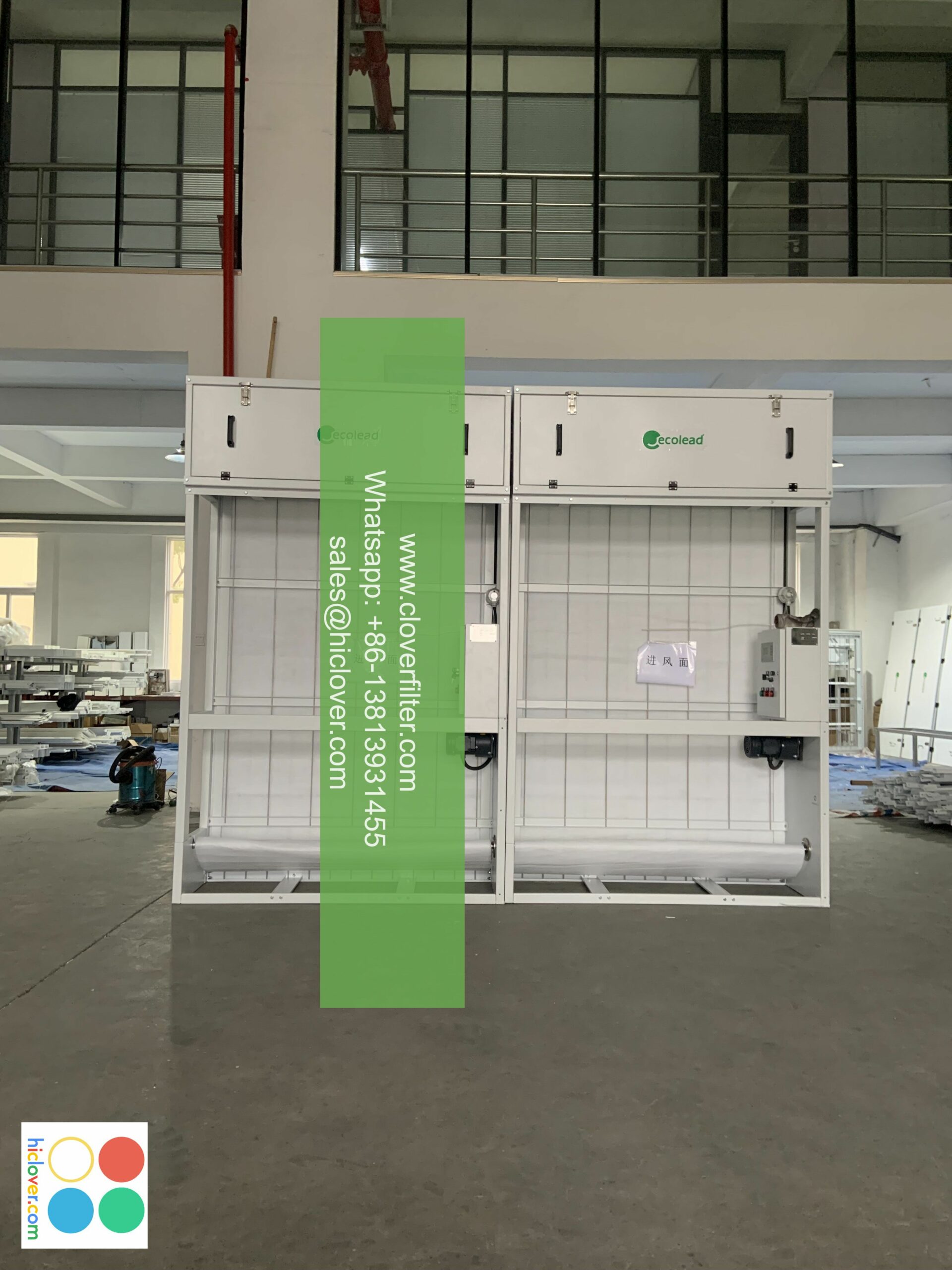
As environmental concerns grow and air quality becomes a critical focus for both residential and commercial spaces, air filter automation is emerging as a powerful solution. This article will explore the myriad benefits of automating air filtration systems, highlighting various application areas where smart technology can transform the way we think about clean air.
Understanding Air Filter Automation

Air filter automation refers to the use of technology—such as sensors, smart devices, and AI algorithms—to manage and optimize air filtration processes. This automation can enhance air quality monitoring, ensure efficient filter replacement, and reduce energy costs.
Key Benefits of Air Filter Automation
1. Enhanced Air Quality Monitoring
Automated systems are equipped with real-time monitoring capabilities that track particulate matter, VOCs (Volatile Organic Compounds), and other pollutants. This data enables users to identify potential air quality issues early on and take corrective measures swiftly.
2. Efficient Filter Replacement
With intelligent automation, air filter systems can notify users when filters need to be replaced. This ensures that filters operate at maximum efficiency, leading to improved air quality and reduced operational costs.

3. Energy Efficiency and Cost Savings
Automated air filters optimize airflow and energy consumption. By maintaining the right balance, they can lower energy bills while ensuring that indoor environments remain healthy and comfortable.
4. Reduced Maintenance Efforts
Automation significantly reduces the need for manual inspections and maintenance. Systems can be programmed to self-clean or automatically adjust based on air quality readings, minimizing human intervention and labor costs.
Application Areas of Automated Air Filtration Systems
1. Residential Homes
In modern homes, automated air filtration systems can integrate with smart home technology. They can be controlled via smartphone apps, ensuring optimal air quality is maintained effortlessly.
2. Commercial Spaces
Offices, restaurants, and retail environments can benefit substantially from air filter automation. Enhanced air quality leads to improved worker productivity and customer satisfaction, creating a healthier indoor atmosphere.
3. Healthcare Facilities
Air quality is vital in hospitals and clinics where patients are particularly vulnerable to infections. Automated air filtration systems can ensure sterile environments, minimizing the risk of airborne diseases.
4. Industrial Applications
Factories and manufacturing plants often face high levels of dust and toxins in the air. Automated systems can efficiently filter out harmful particles, ensuring worker safety and compliance with environmental regulations.
Future of Air Filter Automation
As technology continues to advance, the future of air filter automation looks promising. Innovations in AI and IoT (Internet of Things) are likely to further enhance the capabilities of air filtration systems, enabling more proactive and intelligent responses to air quality changes.
Conclusion
In conclusion, air filter automation offers numerous benefits across various application areas, from enhanced monitoring and efficiency to cost savings and reduced maintenance efforts. By embracing this technology, both individuals and organizations can ensure cleaner, healthier air, paving the way for a better quality of life and improved workplace productivity.
It seems like you entered “Prompt,” but I’m not sure what you’re looking for. Could you please provide more details or specify the type of prompt you need? For example, are you looking for prompts related to writing, art, brainstorming ideas, or something else? Let me know, and I’ll be happy to help!
