Air Filter Report: The Benefits of Smart Air Filters
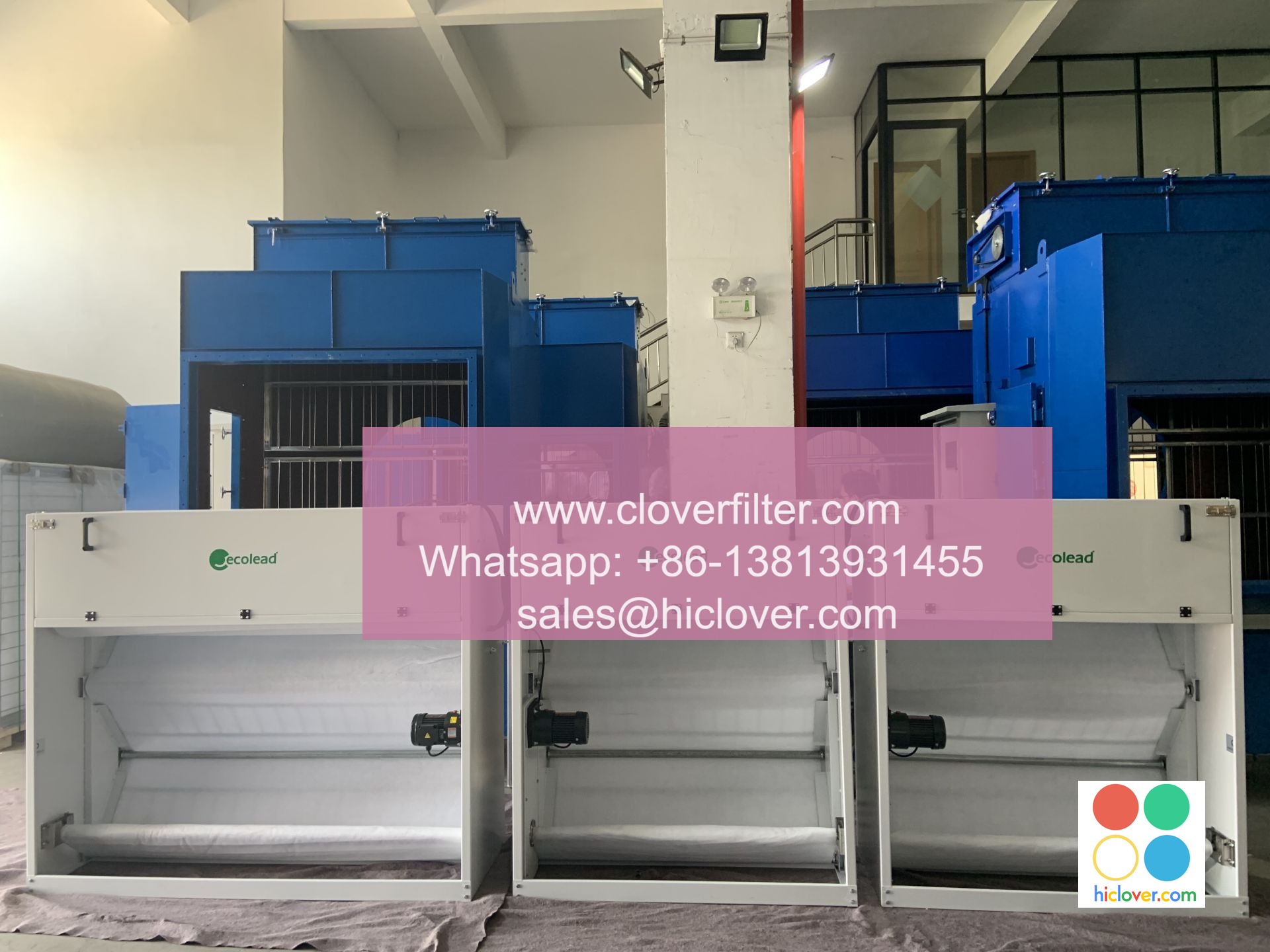
The air we breathe plays a crucial role in our overall health and wellbeing. With the increasing levels of air pollution, it has become essential to have a reliable air filtration system in place. This is where smart air filters come into play, offering a range of benefits that can improve indoor air quality, reduce energy consumption, and enhance our overall quality of life. In this article, we will delve into the world of smart air filters, exploring their advantages, applications, and the indoor air quality (IAQ) benefits they provide.
What are Smart Air Filters?
Smart air filters are advanced filtration systems that use Internet of Things (IoT) technology to monitor and control the air quality in a given space. These filters are equipped with sensors that detect pollutants, dust, and other particles in the air, and can automatically adjust their settings to optimize airflow and filtration. This intelligent air filtration system ensures that the air is cleaned efficiently, reducing the risk of respiratory problems and other health issues.
Benefits of Smart Air Filters
The benefits of smart air filters are numerous, and can be seen in various aspects of our lives. Some of the key advantages include:
* Improved Indoor Air Quality (IAQ): Smart air filters can detect and remove pollutants, allergens, and other harmful particles from the air, creating a healthier environment for occupants.
* Energy Efficiency: By optimizing airflow and filtration, smart air filters can help reduce energy consumption, leading to lower utility bills and a reduced carbon footprint.
* Increased Comfort: Smart air filters can detect and adjust to changing temperature and humidity levels, ensuring a comfortable indoor climate.
* Extended Equipment Life: By reducing the amount of dust and debris that enters the system, smart air filters can help extend the life of HVAC equipment and other machinery.
Application Areas
Smart air filters have a wide range of applications, including:
* Residential Buildings: Smart air filters can be used in homes to improve indoor air quality, reduce energy consumption, and enhance the overall living experience.
* Commercial Buildings: Offices, hospitals, and other commercial buildings can benefit from smart air filters, which can help improve employee health, productivity, and comfort.
* Industrial Settings: Smart air filters can be used in industrial settings to remove pollutants and particles from the air, improving worker health and safety.
* Transportation: Smart air filters can be used in vehicles, such as cars, buses, and trains, to improve air quality and reduce the risk of respiratory problems.

Key Features of Smart Air Filters
Some of the key features of smart air filters include:
* Real-time Monitoring: Smart air filters can monitor air quality in real-time, providing accurate and up-to-date information on pollutant levels.
* Automated Controls: Smart air filters can automatically adjust their settings to optimize airflow and filtration.
* Remote Access: Smart air filters can be controlled and monitored remotely, using mobile apps and other devices.
* Integration with Other Systems: Smart air filters can be integrated with other systems, such as HVAC and building management systems (BMS), to create a comprehensive and efficient building management solution.
Conclusion
In conclusion, smart air filters offer a range of benefits that can improve indoor air quality, reduce energy consumption, and enhance our overall quality of life. With their advanced features, such as real-time monitoring, automated controls, and remote access, smart air filters are an essential component of any building management system. Whether you’re looking to improve the air quality in your home, office, or industrial setting, smart air filters are an excellent choice. By investing in a smart air filter, you can breathe easy, knowing that you’re doing your part to create a healthier and more sustainable environment. It looks like you didn’t include a prompt. Could you please provide more details or specify what you would like to talk about or ask? I’m here to help with any questions or topics you have in mind.
