Air Filter Report: The Effectiveness of Air Filter Technologies for Reducing Emissions
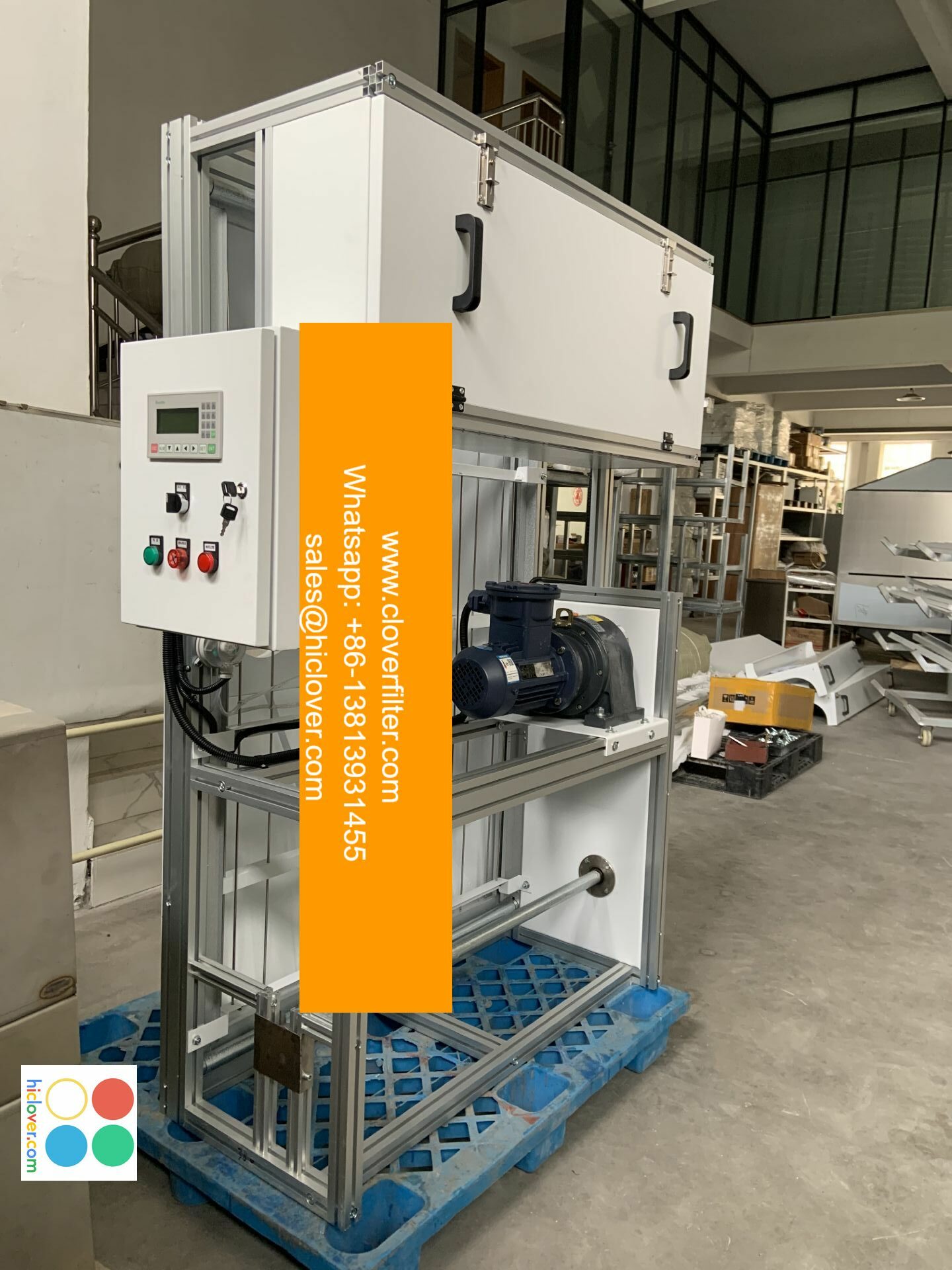
In recent years, the emphasis on air quality has grown significantly due to increasing concerns over pollution, respiratory illnesses, and climate change. Air filter technologies play a crucial role in reducing emissions across various sectors. This article delves into the effectiveness of these technologies, highlighting various application areas and their impact on public health and the environment.
Understanding Air Filter Technologies

Air filters are designed to trap and remove airborne particles, pollutants, and other harmful substances from the air. Different technologies are available, each with its specific methods of filtration. Here are the most common types:
HEPA Filters
High-Efficiency Particulate Air (HEPA) filters are renowned for their ability to capture at least 99.97% of particles that are 0.3 microns in size. These filters are widely used in residential and commercial spaces, contributing to cleaner indoor air quality and reducing allergens and irritants.
Activated Carbon Filters
Activated carbon filters use a process called adsorption to capture gases and vapors, effectively removing odors and volatile organic compounds (VOCs). This technology is beneficial in areas where chemical emissions are a concern, such as laboratories or industrial plants.

Electrostatic Precipitators
Electrostatic precipitators (ESPs) are primarily utilized in industrial applications to collect and remove fine particulate matter from exhaust gases. This technology applies an electric charge to particles, making them adhere to plates and thereby reducing emissions from power plants and manufacturing facilities.
Applications of Air Filter Technologies
1. Residential Air Quality Improvement
In homes, air filter technologies contribute significantly to maintaining healthy air quality. HEPA filters in air purifiers have shown reductions in allergens like pollen, dust mites, and pet dander. This is especially important for individuals suffering from asthma or allergies.
2. Industrial Emission Control
In industrial settings, the implementation of ESPs and activated carbon filters has proven effective in reducing particulate matter and harmful emissions. Factories that process chemicals or burn fossil fuels can substantially reduce their environmental impact through these filtration technologies.
3. Automotive Air Filtration
With the increase in vehicle emissions, automotive manufacturers have integrated advanced air filtration systems. Cabin air filters equipped with activated carbon remove not just particulates but also harmful gases, ensuring safer environments for passengers.
4. Environmental Protection
Air filter technologies contribute to mitigating climate change by reducing the concentration of greenhouse gases. For example, capturing carbon emissions at industrial sites before they’re released into the atmosphere is a significant step towards lowering overall emissions.
The Effectiveness of Air Filter Technologies in Reducing Emissions
The efficacy of air filter technologies is evident through various studies and data. For example:
- HEPA filters have reduced indoor air pollution levels by 50% in controlled environments.
- Activated carbon filters effectively lower VOC levels by up to 90%, proving essential for cleanroom applications.
- Electrostatic precipitators can decrease emissions by over 99% in some industrial processes, showcasing their importance in compliance with environmental regulations.
Challenges and Considerations
Despite the advantages, air filter technologies face challenges such as:
- Maintenance Requirements: Regular replacement and maintenance are necessary to ensure optimal performance and effectiveness.
- Initial Costs: High-quality air filtration systems can be expensive, which might deter some users from adopting these technologies.
- Potential for Ozone Generation: Certain filtration systems can produce ozone as a byproduct, which may have adverse health effects.
Conclusion
The effectiveness of air filter technologies in reducing emissions cannot be overstated. Their application across residential, industrial, automotive, and environmental realms demonstrates a comprehensive approach to tackling air quality issues. As technology advances, the efficiency of these filters will likely improve, paving the way for a cleaner, healthier future. Investing in robust air filtration solutions is not only essential for individual health but also critical for the well-being of our planet.
Whether for health benefits or environmental protection, opting for high-quality air filtration systems is a step towards cleaner air for everyone.
It seems like you might be looking for a specific prompt or topic to discuss. Could you please clarify or provide more details on what you’re looking for? Whether it’s a creative writing prompt, a question, or a subject you’d like to explore, I’m here to help!
