Air Filter Report: The Effectiveness of HEPA Filters
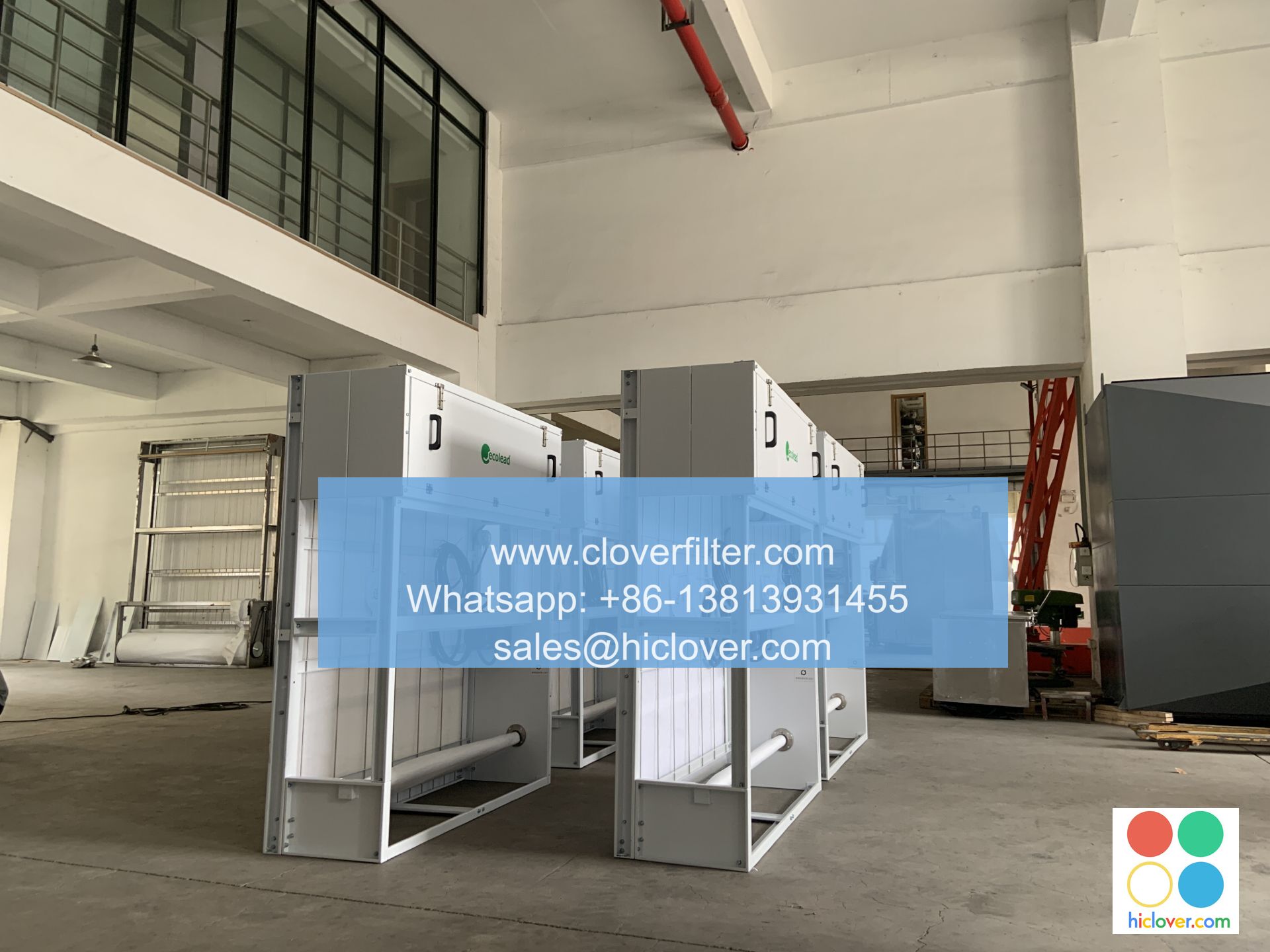
The use of High Efficiency Particulate Air (HEPA) filters has become increasingly popular in recent years due to their proven effectiveness in removing airborne pollutants and improving indoor air quality. In this article, we will explore the benefits and applications of HEPA filters, highlighting their role in air purification, allergen removal, and indoor air quality management.
What are HEPA Filters?
HEPA filters are designed to capture 99.97% of particles as small as 0.3 microns, including dust, pollen, mold, bacteria, and viruses. This makes them an essential component in air purification systems, vacuum cleaners, and air conditioners. The unique design of HEPA filters allows them to trap particles through a combination of interception, impaction, and diffusion, ensuring that the air that passes through is clean and free of pollutants.
Applications of HEPA Filters
HEPA filters have a wide range of applications, including:
* Residential air purification: HEPA filters are commonly used in home air purifiers to remove allergens and irritants from the air, improving indoor air quality and relieving allergy symptoms.
* Commercial air filtration: HEPA filters are used in office buildings, hospitals, and industrial settings to maintain good indoor air quality and prevent the spread of airborne diseases.
* Industrial air purification: HEPA filters are used in manufacturing facilities to remove hazardous particles and chemicals from the air, ensuring a safe working environment for employees.
* Medical facilities: HEPA filters are used in
Benefits of HEPA Filters
The use of HEPA filters offers several benefits, including:
* Improved indoor air quality: HEPA filters remove airborne pollutants, improving the overall air quality and creating a healthier environment.
* Relief from allergy symptoms: By removing allergens from the air, HEPA filters can help alleviate allergy symptoms such as congestion, sneezing, and itching.
* Prevention of airborne diseases: HEPA filters can help prevent the spread of airborne diseases such as influenza and tuberculosis.
* Increased energy efficiency: By removing particles from the air, HEPA filters can help reduce the load on heating and cooling systems, leading to energy savings and reduced greenhouse gas emissions.

Conclusion
In conclusion, HEPA filters are a highly effective solution for improving indoor air quality and removing airborne pollutants. Their unique design and ability to capture 99.97% of particles as small as 0.3 microns make them an essential component in air purification systems, vacuum cleaners, and air conditioners. With their wide range of applications and benefits, HEPA filters are a valuable tool in maintaining good indoor air quality and preventing the spread of airborne diseases. As the demand for clean and healthy indoor air continues to grow, the use of HEPA filters is likely to become even more widespread, playing a critical role in indoor air quality management and air pollution control. You haven’t given me a prompt to respond to. What would you like to talk about or ask? I’ll do my best to assist you.
