Air Filter Report: The Effectiveness of UV Air Purifiers
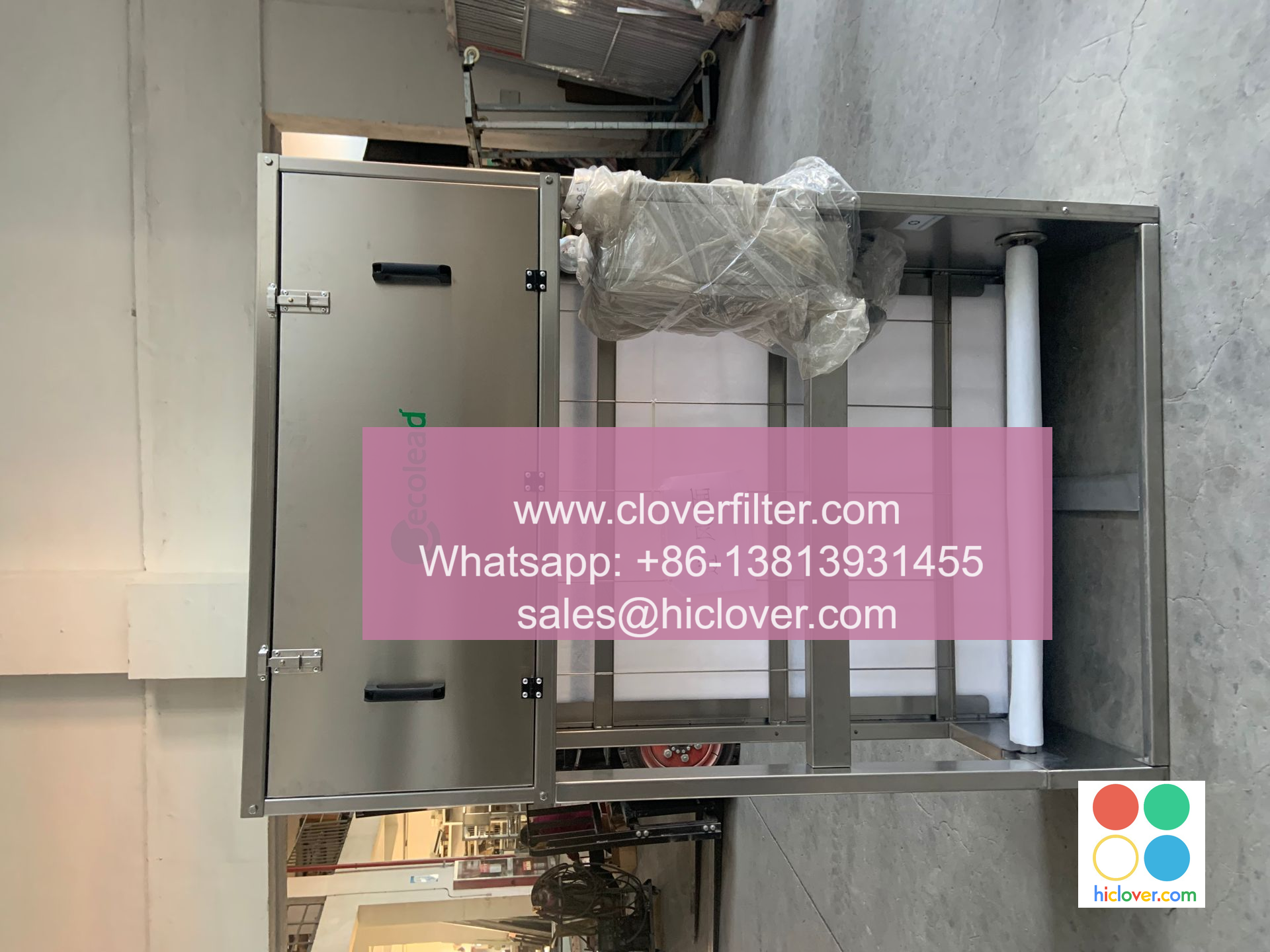
Understanding UV Air Purifiers
With increasing concerns about indoor air quality, UV air purifiers have emerged as a popular solution. These devices utilize ultraviolet (UV) light to kill airborne pathogens, including bacteria, viruses, and mold spores. Unlike traditional air filters, which primarily rely on physical barriers to trap contaminants, UV purifiers introduce a chemical-free method to improve the safety and purity of the air we breathe.

How UV Air Purifiers Work
UV air purifiers operate by emitting UV-C light—a specific wavelength that effectively neutralizes harmful microorganisms. As air passes through the unit, it is exposed to UV light, which disrupts the DNA and RNA of pathogens, rendering them inactive. This process is particularly beneficial in environments vulnerable to airborne infections, such as hospitals, schools, and offices.
The Effectiveness of UV Air Purifiers
1. Reduction of Airborne Pathogens
Research indicates that UV air purifiers can significantly reduce the levels of airborne bacteria and viruses. For instance, studies have shown that facilities equipped with UV technology report fewer cases of respiratory infections, underscoring the effectiveness of these systems in infection control.
2. Enhanced Indoor Air Quality

By efficiently eliminating molds, allergens, and volatile organic compounds (VOCs), UV air purifiers contribute to improved indoor air quality. Cleaner air has been linked to better health outcomes, including reduced allergies and respiratory conditions.
3. Environmental Impact
UV air purifiers are a sustainable choice for air cleansing as they do not rely on chemical treatments that can produce harmful byproducts. This makes them an eco-friendly option for maintaining air quality in both residential and commercial settings.
Application Areas for UV Air Purifiers
1. Healthcare Facilities
In hospitals and clinics, maintaining sterile environments is critical. UV air purifiers are increasingly used in operating rooms, isolation wards, and waiting areas to minimize the risk of hospital-acquired infections.
2. Educational Institutions
Schools and universities can benefit from UV air purification to reduce pathogen transmission among students and staff. This is particularly vital during flu season and amid concerns about infectious diseases.
3. Residential Spaces
Homeowners looking to enhance their indoor air quality often turn to UV air purifiers. These devices help combat common household allergens like dust mites and pet dander, making living environments healthier for all occupants.
4. Commercial Settings
From offices to restaurants, businesses can use UV air purifiers to create healthier workspaces and improve customer experience. Clean air can lead to increased productivity and customer satisfaction.
Limitations and Considerations
While UV air purifiers are effective, they are not without limitations. It’s essential to recognize that their effectiveness can be influenced by factors such as:
- Airflow: Poor airflow can hinder the UV light’s ability to disinfect effectively.
- Exposure Time: The longer the air is exposed to UV light, the more effectively pathogens can be neutralized.
- Maintenance: Regular cleaning and maintenance of the UV bulbs are crucial for optimal performance.
Conclusion
In conclusion, UV air purifiers offer a promising solution for enhancing indoor air quality across various application areas, from healthcare facilities to residential homes. While they provide significant benefits in pathogen reduction and allergen control, it is vital to consider their limitations and ensure proper implementation for maximum effectiveness. As we continue to prioritize our health, integrating UV air purification technology into our environments can be a step towards cleaner, safer air.
It looks like you might have a prompt or topic in mind, but you didn’t provide the details. Could you please share what you’re looking for? This could be a question, a theme for writing, or anything else you need assistance with!
