Air Filter Report: The Importance of Air Filter Certification

In an era where air quality is becoming a critical issue, the importance of air filter certification can’t be overstated. Air filters are essential components in various applications, from HVAC systems in residential and commercial buildings to automotive and industrial purposes. This article delves into the significance of air filter certification and its impact on health, efficiency, and environment.
Why Air Filter Certification Matters

Air filter certification involves evaluating and verifying the performance of air filters based on standardized testing methods. These certifications offer assurance that a filter meets specific performance criteria such as filtration efficiency, airflow resistance, and lifetime expectancy.
- Health Benefits: Certified air filters significantly reduce airborne pollutants, allergens, and pathogens, promoting better indoor air quality (IAQ). This is particularly vital in homes, schools, and healthcare facilities.
- Energy Efficiency: Filters that are enthusiastically certified help HVAC systems operate efficiently, reducing energy consumption and costs. An efficiently running system not only saves money but also has a smaller carbon footprint.
- Compliance with Regulations: Many industries have regulatory standards regarding air quality. Certified filters ensure compliance with these regulations, thus protecting organizations from legal repercussions.
Key Certification Standards
Several key certification standards govern the air filter industry, each serving a specific application area:
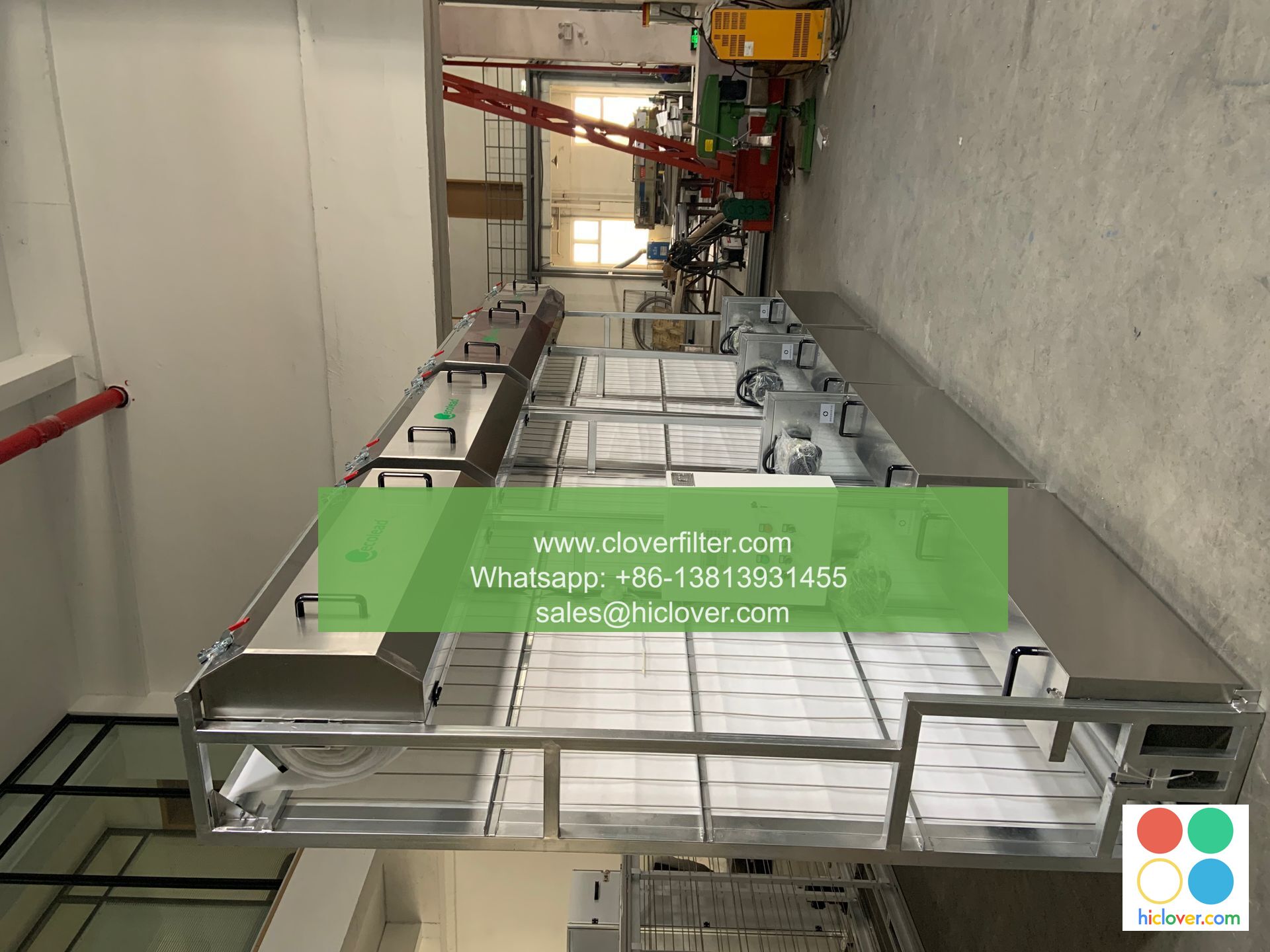
1. HEPA Certification
High-Efficiency Particulate Air (HEPA) filters are recognized for their ability to trap a high percentage of particles, making them ideal for healthcare and laboratory environments. To be classified as HEPA, a filter must capture at least 99.97% of particles that are 0.3 microns in diameter.
2. MERV Rating
The Minimum Efficiency Reporting Value (MERV) rating ranges from 1 to 20, providing an indication of filter efficiency in removing airborne particles. This standard is commonly used in HVAC applications to determine which filters will effectively maintain air quality in residential and commercial settings.
3. ASHRAE Standards
The American Society of Heating, Refrigerating and Air-Conditioning Engineers (ASHRAE) provides guidelines on air filter testing, installation, and maintenance. ASHRAE certifications consider various aspects, including resistance and efficiency at different airflows.
Application Areas of Air Filters
Air filter certification plays a pivotal role across various application areas:
1. Residential HVAC Systems
Homes rely on certified air filters to maintain healthy indoor air. Filters with HEPA ratings are ideal for families and individuals with allergies or respiratory conditions.
2. Automotive Industry
Air filters in vehicles must comply with specific standards to ensure the quality of air entering the cabin. Certified filters can enhance the driving experience by filtering out pollutants and allergens.
3. Industrial Applications
In industrial settings, air filters are critical in processes where air quality directly impacts product quality and employee health. Certified industrial air filters help in minimizing dust and harmful substances that may affect operations.
4. Medical and Laboratory Environments
Certified air filtration is crucial in medical facilities and laboratories, where the need for a sterile environment is paramount. HEPA filters are commonly installed to maintain clean air and prevent contamination.
Conclusion
In summary, the importance of air filter certification extends beyond mere compliance. It has implications for health, energy efficiency, and environmental protection. Investing in certified air filters can vastly improve air quality across various application areas, making them indispensable in our modern lives. By understanding the significance of these certifications, consumers and businesses alike can make informed decisions for a healthier today and a sustainable tomorrow.
It seems like your request is incomplete. Could you please provide more details or specify the type of prompt you’re looking for? Whether it’s for writing, a creative project, a discussion topic, or something else, I’d be happy to help!
