Air Filter Report: The Role of Air Filters in Improving Water Quality
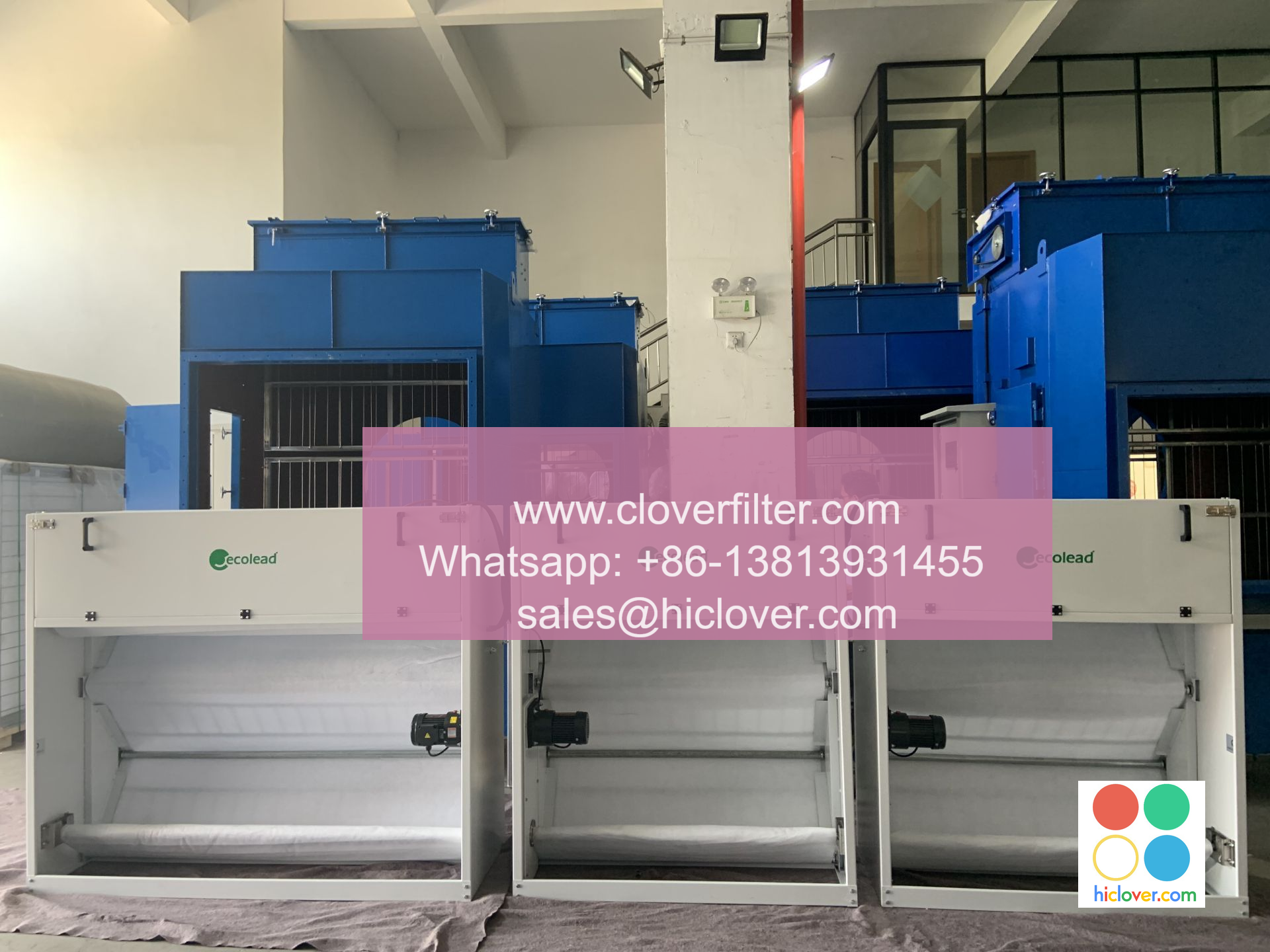
Air filters play a critical yet often overlooked role in the overall quality of our water supply. While their primary function is to purify and clean the air we breathe, they can significantly impact water quality across various industrial and environmental applications. This article explores the relationship between air filtration and water quality, highlighting its importance in different sectors.
Understanding the Connection Between Air Quality and Water Quality
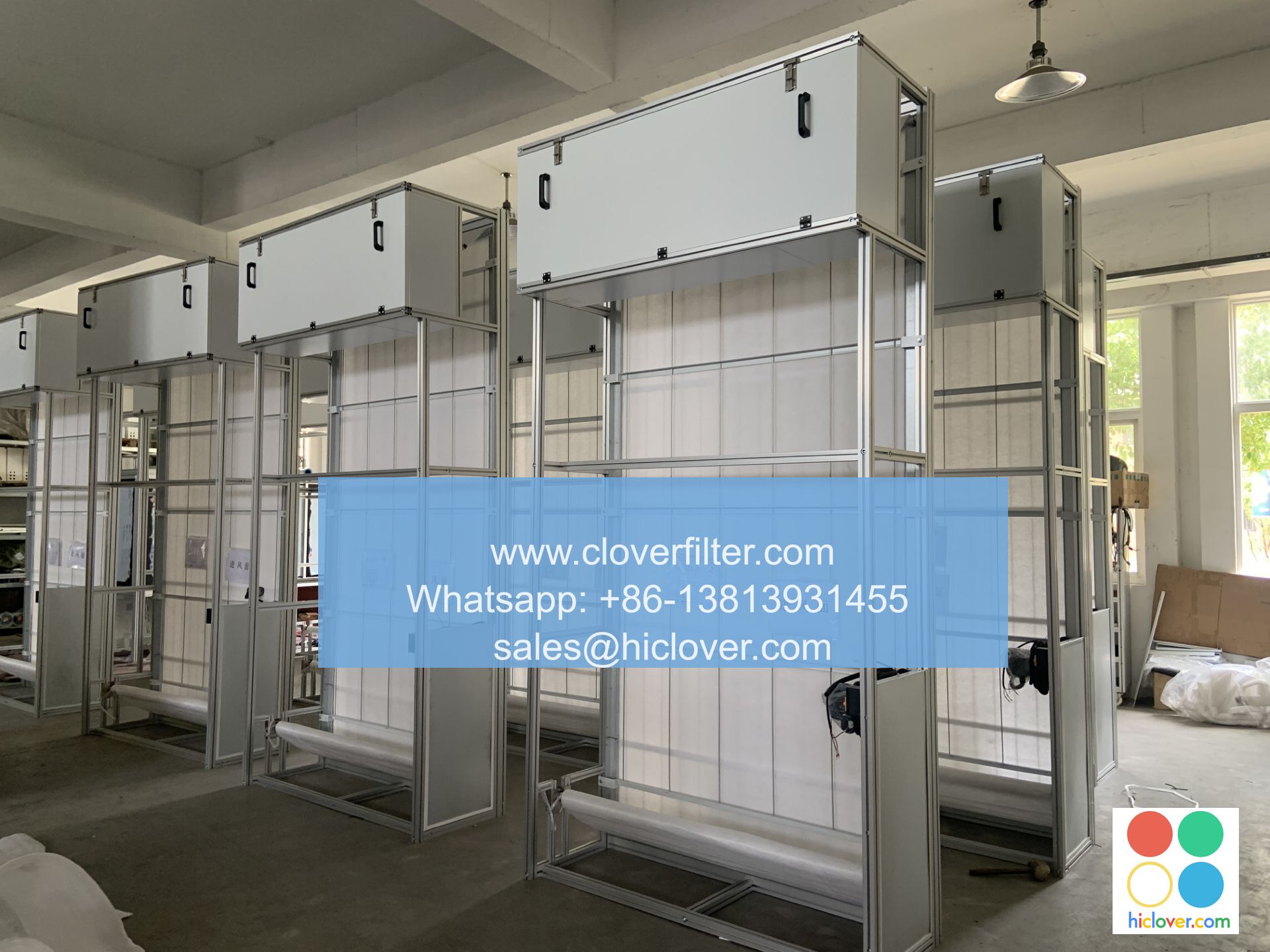
It’s essential to recognize that air and water are interrelated ecosystems. Airborne pollutants can settle on bodies of water, leading to contamination and degradation of water quality. Consequently, maintaining clean air also contributes to protecting our water sources. Air filters help remove particulate matter, allergens, and possibly hazardous materials from the air, reducing the likelihood of pollution seeping into groundwater and other water sources.
Application Areas of Air Filters in Water Quality Management
1. Industrial Use
In industrial settings, air filtration systems are crucial for maintaining a clean environment and ensuring the safety of water supply systems. Industries like oil and gas, food processing, and chemical manufacturing utilize advanced air filtration technologies to eliminate dust and contaminants that could affect water quality.
2. Agricultural Practices
In agriculture, the role of air filters is pivotal in protecting water quality through the prevention of airborne pesticides and fertilizers. Filters installed in ventilation systems of agricultural facilities can trap harmful air particulates, thereby preventing them from contaminating surrounding water resources.

3. Residential Applications
At the residential level, air filters in HVAC systems not only improve air quality but also play a role in safeguarding household water systems. By reducing the intake of pollutants that could potentially disrupt water supply, these filters contribute to improved water safety for families.
4. Municipal Water Treatment
Municipalities employ air filtration technology in their water treatment facilities to ensure that the air used in the treatment process remains free from contaminants. Clean air used in the treatment of water aids in producing higher quality potable water for communities.
Technological Advancements in Air Filtration
Recent advancements in air filter technology are making it increasingly effective in contributing to enhanced water quality. Recent innovations include high-efficiency particulate air (HEPA) filters, activated carbon filters, and advanced antimicrobial filters that can capture ultra-fine particles and prevent the spread of harmful microorganisms. These technologies further highlight the connection between air filtration and the quality of water.
Conclusion
In summary, the role of air filters transcends beyond just improving indoor air quality. Their critical function in enhancing water quality across various sectors illustrates their importance in both environmental and public health. As technology continues to advance, the synergy between air filtration and water quality management will become increasingly vital in our quest for sustainable living and safe drinking water.
For industries, municipalities, and individuals alike, investing in high-quality air filtration systems not only protects air quality but also serves as a proactive measure in safeguarding our water resources. As we continue to navigate challenges such as pollution and environmental change, the integration of air filtration into water quality strategies will be crucial for the health of our planet.
It seems like you haven’t provided a specific prompt. Could you please share more details or let me know what you would like assistance with? Whether it’s a writing prompt, a question, or something else, I’m here to help!
