Air Filter Report: The Top 10 Air Filter Applications in the Pharmaceutical Industry
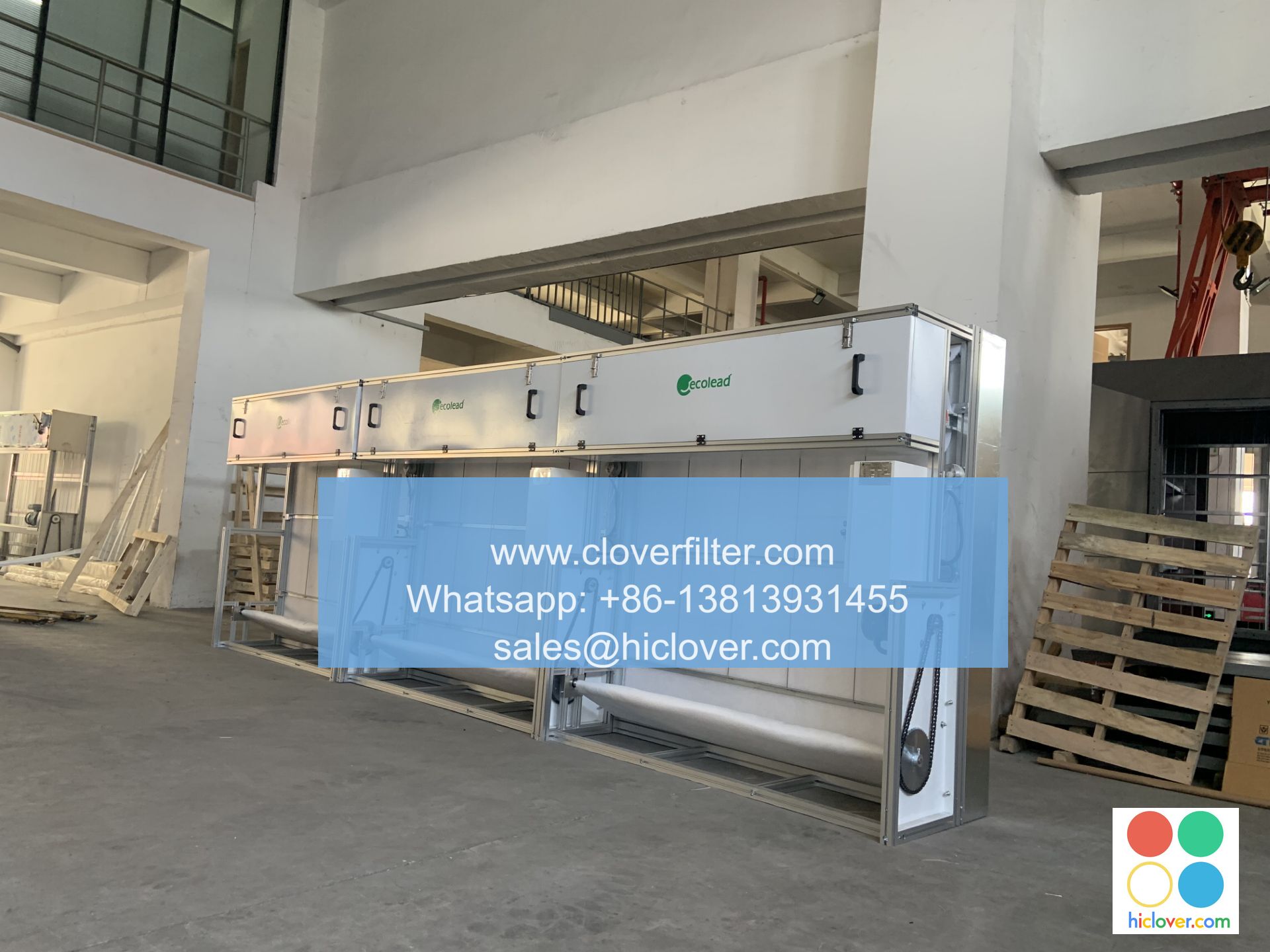
The pharmaceutical industry is heavily reliant on clean air to ensure product quality, safety, and compliance with regulations. Air filters play a critical role in maintaining the right environment for research, manufacturing, and testing. Here, we present the top 10 air filter applications that are fundamental to the pharmaceutical sector.
1. Cleanroom Environments

Cleanrooms are essential in pharmaceutical manufacturing to prevent contamination. HEPA (High-Efficiency Particulate Air) filters are commonly used to achieve the stringent air cleanliness standards required for aseptic processing.
2. Aseptic Filling Operations
Aseptic filling requires filtered air to ensure that no microbial contamination occurs during the packaging of sterile products. This is crucial for drug efficacy and patient safety.
3. Laboratory Air Quality Control
In research laboratories, maintaining air quality is vital. Air filters help to eliminate particulate matter and volatile organic compounds (VOCs) that could compromise experimental outcomes.

4. Biopharmaceutical Manufacturing
Biopharma facilities utilize advanced filtration technology to maintain a sterile process. This includes using ULPA (Ultra-Low Penetration Air) filters that capture particles as small as 0.1 microns.
5. Health and Safety Compliance
Regulatory bodies such as the FDA require strict air quality standards be met during pharmaceutical production. Proper air filtration systems are fundamental for compliance audits and inspections.
6. HVAC Systems in Pharmaceutical Plants
Heating, ventilation, and air conditioning (HVAC) systems incorporate air filters to recycle and purify air within pharmaceutical manufacturing facilities, ensuring a consistent and controlled environment.
7. Air Quality Monitoring
Modern air quality monitoring systems often integrate air filters to remove contaminants before sampling air quality data, ensuring accurate and reliable readings.
8. Sterilization Processes
Filtration is crucial in sterilization processes, particularly in steam sterilization where clean air reduces the risk of contamination post-sterilization.
9. Packaging Area Air Cleanliness
In the packaging areas, air filtration systems help maintain a clean environment, preventing potential contamination of products during handling and packaging.
10. Environmental Monitoring
Environmental monitoring in pharmaceutical plants involves using air filters to ensure that no harmful particles enter the production areas, maintaining compliance with industry regulations.
Conclusion
The diverse applications of air filters in the pharmaceutical industry underscore their importance in ensuring product integrity, safety, and compliance with regulatory standards. Investing in high-quality air filtration systems is not just a regulatory requirement but a commitment to excellence in pharmaceutical manufacturing.
It looks like you entered “Prompt,” but I don’t see a specific request or question. How can I assist you today? If you have a topic, question, or need a specific type of writing, feel free to share!
