Air Filter Return Policies: What Retailers Don’t Tell You

Key Takeaways
- Understand the importance of reviewing an air filter return policy before purchasing.
- Automatic Roll Air Filters offer advanced filtration solutions for various industrial applications.
- Selecting the right air filter is crucial for HVAC system efficiency and maintenance reduction.
- Common pitfalls in filter selection can lead to costly operational downsides.
- Real-world case studies illustrate the efficacy of using specific filters in different industrial settings.
- Roll Media Advance Logic: As the media becomes saturated with dust and particles, the filter automatically advances to expose a fresh section.
- Differential Pressure Trigger: This feature alerts users when the filter needs to be changed, allowing for proactive maintenance and reducing operational disruptions.
- Timer Mode: Users can set operational hours to optimize filter changes based on actual use rather than simply time elapsed.
- Airflow Range: Ensure the filter supports the required airflow capacity for your facility.
- Face Velocity: Match the filter’s specifications to the face velocity of your HVAC system for optimal performance.
- Media Width & Length: Choose media sizes that fit within the designated installation space while providing sufficient coverage.
- Frame Size: Consider the dimensions of the filter frame to ensure a proper fit in your existing systems.
- Control Options: Look for filters that integrate well with your existing control systems.
- Power Supply: Assess whether the filter’s power supply requirements align with your current setup.
- Installation Location: Decide if the filter will be used for fresh air intake, return air, or process air applications.
- Ignoring CFM Requirements: Ensure the filter matches the airflow needs of the system.
- Neglecting Face Velocity: Oversized filters can create uneven airflow and pressure drops.
- Overlooking Maintenance Needs: Some filters require more frequent replacement than others.
- Not Considering Layout: Ensure the filter fits within the existing design of the HVAC system.
- Ignoring Environmental Factors: Understand how local conditions (like dust content) affect performance.
- Failing to Check Compatibility: New filters must work with existing systems and controls.
- Skipping the Return Policy Review: Always know the return policy before purchasing.
-
Data Center: A facility manager at a data center replaced old panel filters with CloverFilter’s Automatic Roll Air Filters due to high particulate exposure. The result was improved air quality and reduced energy costs due to efficient airflow.
-
Battery Factory: In a lithium battery plant, engineers implemented roll filters at fresh air intakes. This not only maintained ISO 16890 compliant air quality metrics but also significantly lowered operational costs due to reduced maintenance.
-
Paint Shop: A paint manufacturer switched to Automatic Roll Filters to combat volatile organic compound (VOC) emissions effectively. The filter allowed for timely media changes, ensuring compliance and consistent air quality.
-
Textile/Cement Plant: Facility engineers at a textile mill integrated CloverFilter’s Automatic Roll Air Filters in their system, reducing dust buildup in the air handling units and minimizing downtime for maintenance.

Understanding Air Filter Return Policies
When making significant investments in air filtration systems, knowing the air filter return policy of your supplier is critical. Many retailers may not disclose the intricacies of their return policies upfront, leaving buyers frustrated if a product doesn’t meet their needs. This is especially important for buyers like procurement managers and facility engineers who have to ensure that every dollar spent contributes to the efficiency of their HVAC systems.
A robust air filter return policy should clearly outline conditions for returns, including time frames, acceptable reasons for returns, and whether fees are involved. Understanding these policies can save facilities from costly mistakes in filter selection.
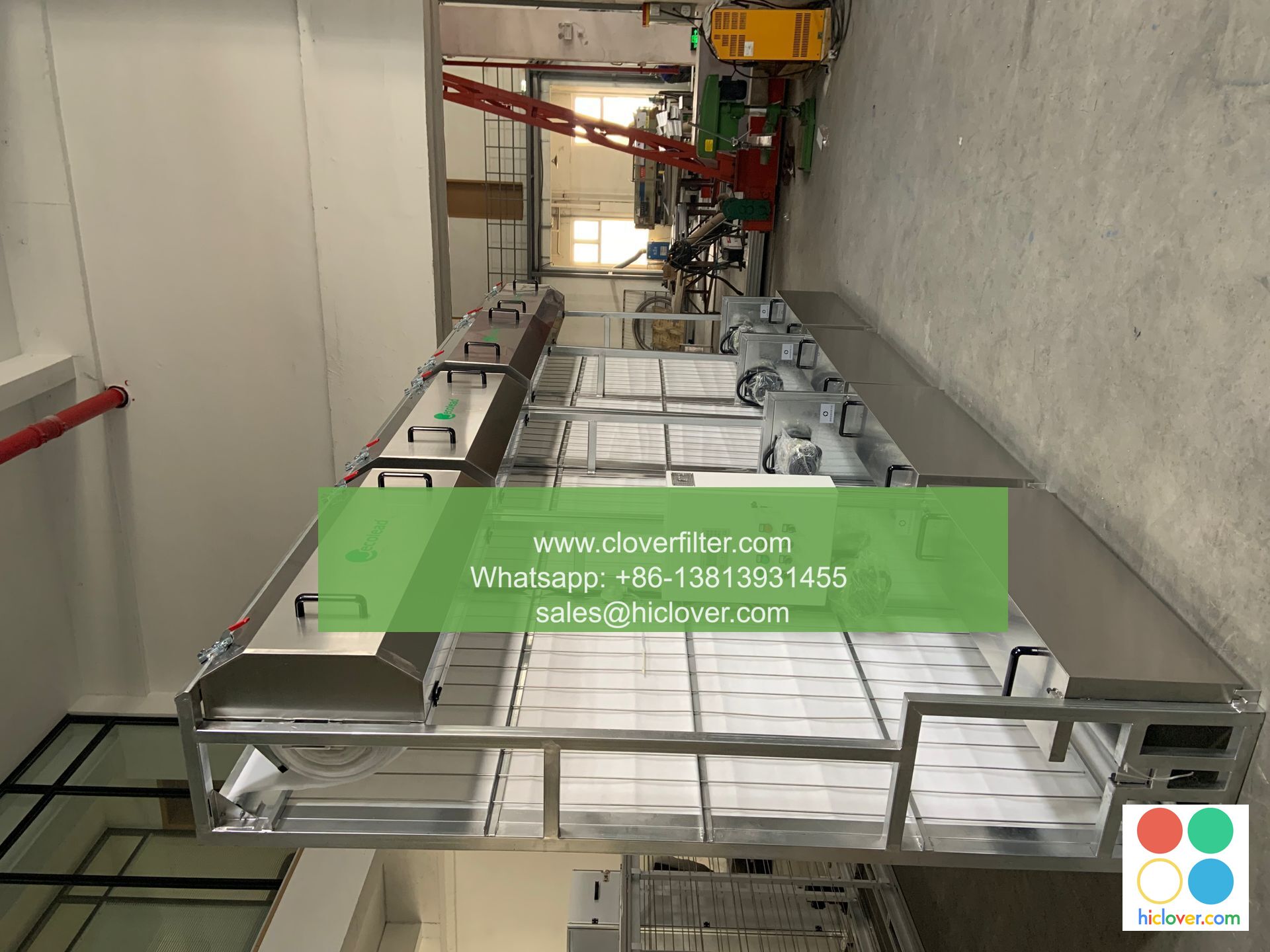
What is an Automatic Roll Air Filter?
Automatic Roll Air Filters, like those from CloverFilter, are engineered for optimal performance in industrial environments. These filters utilize advanced roll media technology to ensure consistent airflow and particulate control. Here’s how they work:
These filters are typically installed at fresh air intakes or within air handling units (AHUs), ensuring a continuous supply of clean air while minimizing energy costs.
Practical Selection Guide for Automatic Roll Air Filters
Choosing the right Automatic Roll Air Filter involves evaluating several key factors, including:
By carefully considering these elements, procurement managers and facility engineers can effectively choose air filtration solutions that enhance system efficiency and component lifespan.
Comparison Table: Air Filter Options
| Filter Type | Best Use Case | Maintenance | Pressure Drop Behavior | Operating Cost | Typical Risk/Downside |
|---|---|---|---|---|---|
| Automatic Roll Filter | High dust load areas | Low (auto adv.) | Low to Moderate | Moderate | Costly if mis-specified |
| Bag Filter | General industrial use | Medium | Moderate | Variable | Needs regular checks |
| Panel Filter | Light-duty applications | High | Moderate to High | Low | Frequent replacements |
| V-bank Filter | Specialized zones | Low | High | High | High initial purchase cost |
Common Mistakes & How to Avoid Them
When it comes to selecting air filters, some common mistakes can lead to inefficiencies:
Real-World Scenarios
Common Questions about Air Filter Return Policies
Q1: What is the typical timeframe for returning air filters?
A: Most retailers allow returns within 30 to 90 days, depending on the supplier.
Q2: Can filters that have been installed be returned?
A: Typically, installed filters are non-returnable; however, policies vary by company.
Q3: Are there restocking fees for filter returns?
A: Many retailers impose restocking fees, especially on opened items.
Q4: What conditions must be met for a return to qualify?
A: Returns usually require filters to be in original packaging and unused.
Q5: Do all retailers offer warranty coverage?
A: Warranty coverage varies, so it’s essential to review the specific terms at the time of purchase.
Q6: How can I find out more about a retailer’s return policy?
A: You can usually find return policy details on the retailer’s website or by contacting their customer service.
Q7: Are there any exceptions to standard return policies?
A: Some specialized filters may have different return policies due to custom specifications.
Q8: Does CloverFilter have flexible return options?
A: Yes, CloverFilter provides a clear and customer-friendly air filter return policy, which is detailed on their website.
Q9: How can I ensure I choose the right filter initially to avoid returns?
A: Utilize a robust selection guide, and consult with filter experts to match products to your specific needs.
Q10: Is manufacturer support available post-purchase if issues arise?
A: Yes, CloverFilter offers support to help troubleshoot any filter-related issues after purchase.
Air filter return policies play a crucial role in ensuring procurement managers and facility engineers make informed purchasing decisions. By understanding the return policy and leveraging high-quality solutions like the Automatic Roll Air Filter from CloverFilter, companies can enhance air quality and maintain operational efficiency.
Meta Description: Explore the importance of air filter return policies and learn how CloverFilter’s Automatic Roll Air Filters maximize efficiency and performance.
For more information on how CloverFilter can meet your air filtration needs, reach out to us at CloverFilter.
It seems like your message might be incomplete. Could you please provide more details or clarify what kind of prompt you are looking for? Whether it’s for writing, art, discussion, or something else, I’m here to help!
