Air Filter Safety for People with Fibromyalgia
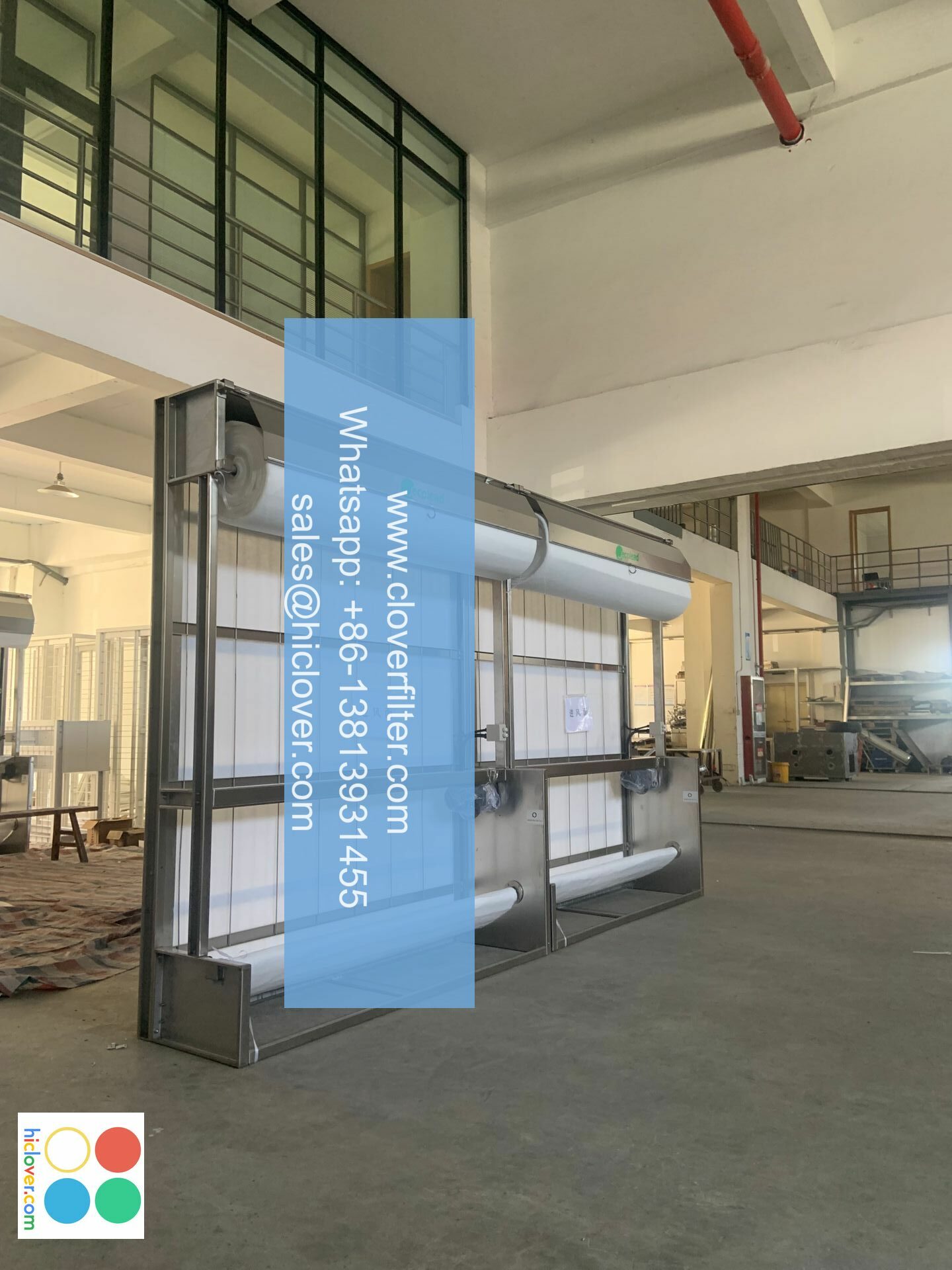
As a person living with Fibromyalgia, managing symptoms and maintaining a healthy environment is crucial for overall well-being. One often overlooked aspect of health is indoor air quality, which can significantly impact individuals with sensitive respiratory systems. In this article, we will discuss the importance of air filter safety for people with Fibromyalgia and explore the benefits of using HEPA filters and activated carbon in various applications.
##
Understanding Fibromyalgia and Air Quality
Fibromyalgia is a chronic condition characterized by widespread muscle pain, fatigue, and sensitivity to environmental factors. People with Fibromyalgia often experience respiratory issues, such as asthma and chronic obstructive pulmonary disease (COPD), which can be triggered or exacerbated by poor indoor air quality. Common indoor air pollutants include particulate matter (PM), volatile organic compounds (VOCs), and allergens like dust, mold, and pet dander.
##
The Importance of Air Filter Safety
Air filter safety is essential for people with Fibromyalgia, as it can help reduce exposure to indoor air pollutants and alleviate symptoms. A good air filter can capture 99.97% of particles as small as 0.3 microns, including pollen, dust mites, and bacteria. When choosing an air filter, consider the following factors:
* Filter efficiency: Look for filters with a high Minimum Efficiency Reporting Value (MERV) rating, which indicates the filter’s ability to capture small particles.
* Filter type: HEPA filters are highly effective at capturing particles, while activated carbon filters excel at removing gases and odors.
* Replacement schedule: Regularly replace filters according to the manufacturer’s recommendations to ensure optimal performance.
##
Applications of Air Filters for Fibromyalgia
Air filters can be used in various applications to improve indoor air quality and benefit people with Fibromyalgia:
* Portable air purifiers: These compact units are perfect for small spaces, such as bedrooms or offices, and can be easily moved from room to room.
* Whole-house air filtration systems: These systems integrate with your home’s HVAC system to provide comprehensive air filtration and purification.
* Vehicle air filters: Many cars and trucks come equipped with cabin air filters, which can be replaced with high-efficiency filters to improve air quality during travel.
* Industrial and commercial air filtration: Businesses and organizations can benefit from installing commercial air filtration systems to create a healthier environment for employees and customers.
##

Additional Tips for Improving Indoor Air Quality
In addition to using high-quality air filters, individuals with Fibromyalgia can take other steps to improve indoor air quality:
* Reduce moisture: Use a dehumidifier to prevent mold growth and reduce humidity levels.
* Minimize strong chemicals: Avoid using harsh cleaning products and opt for natural alternatives instead.
* Increase ventilation: Open windows and doors to let in fresh air, and consider installing a whole-house ventilation system.
* Remove pets and smoking: If possible, avoid having pets or smoking indoors, as these can exacerbate respiratory issues.
By prioritizing air filter safety and taking steps to improve indoor air quality, people with Fibromyalgia can breathe easier and reduce their symptoms. Remember to choose high-efficiency filters, such as HEPA filters and activated carbon, and explore various applications to create a healthier environment for yourself and those around you.
It looks like you’re ready to start a conversation, but you haven’t given me a specific prompt to work with. That’s okay! I can suggest some ideas to get us started. Would you like to:
- Generate a story: I can start telling a story, and you can give me prompts to continue it.
- Discuss a topic: We can talk about a particular subject, such as technology, science, history, or culture.
- Play a game: I can suggest a text-based game, like Hangman or 20 Questions, and we can play together.
- Answer a question: You can ask me a question on any topic, and I’ll try to provide a helpful response.
- Create a character: We can create a character together, and you can give me prompts to develop their backstory, personality, and traits.
Which of these options sounds interesting to you, or do you have something else in mind?
