Air Filter Selection: A Guide to Choosing the Right One
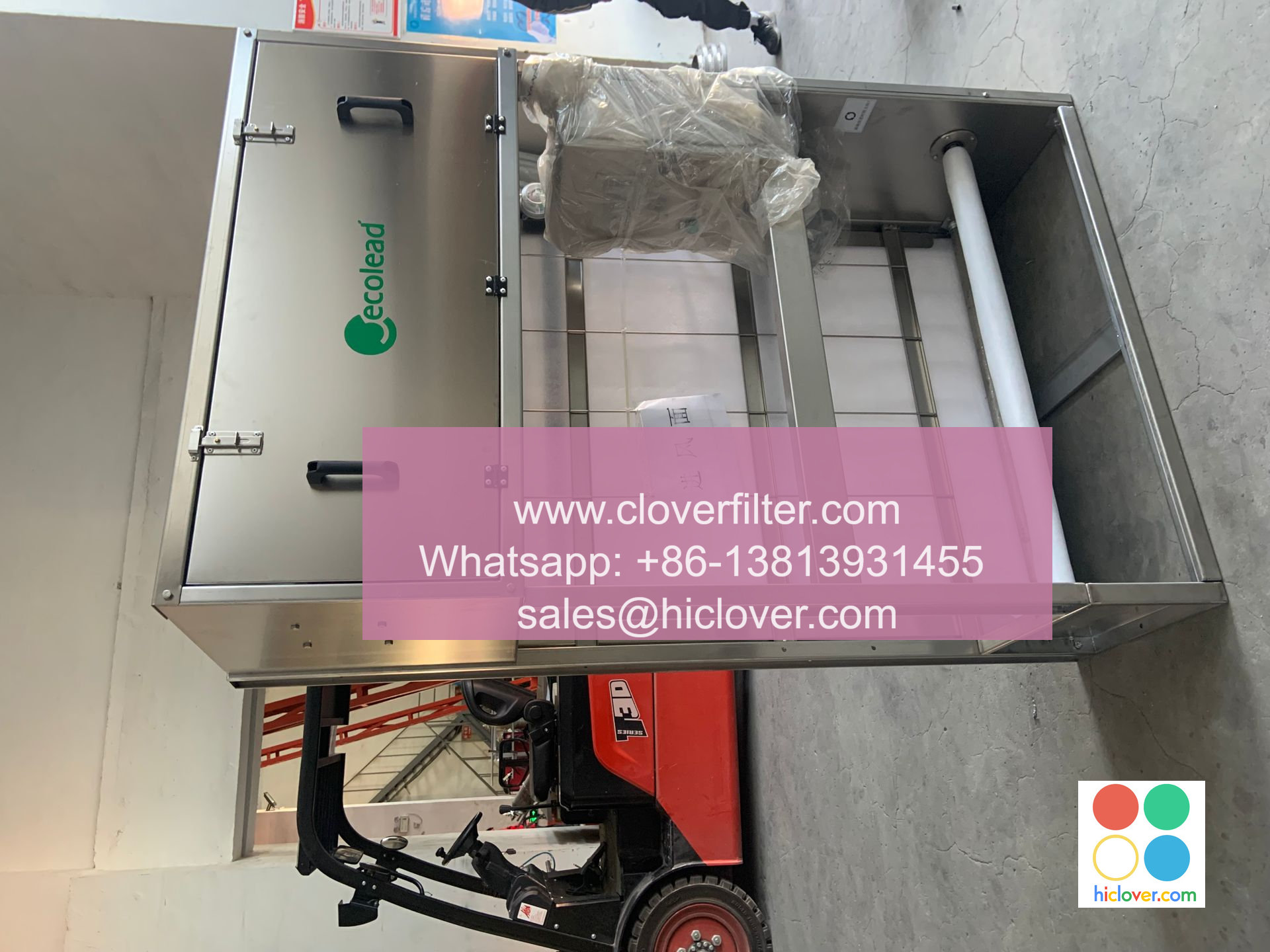
Understanding Air Filters

Air filters are essential components in improving indoor air quality by
trapping dust, allergens, and other pollutants. Whether for residential,
commercial, or industrial applications, selecting the right air filter can
have significant health and financial implications. This guide will help
you navigate the complexities of air filter selection, ensuring that the
air you breathe is clean and safe.
Key Factors to Consider When Choosing an Air Filter
1. Filter Type
There are several types of air filters available, and each serves a
unique purpose:
- HEPA Filters: High-Efficiency Particulate Air filters can
capture 99.97% of particles as small as 0.3 microns, making them ideal
for hospitals and homes where allergy sufferers reside. - Activated Carbon Filters: These filters absorb gases and odors,
making them suitable for residential use in kitchens and living areas. - Electrostatic Filters: These reusable filters use an electric charge
to attract particles, making them low-maintenance and environmentally friendly.
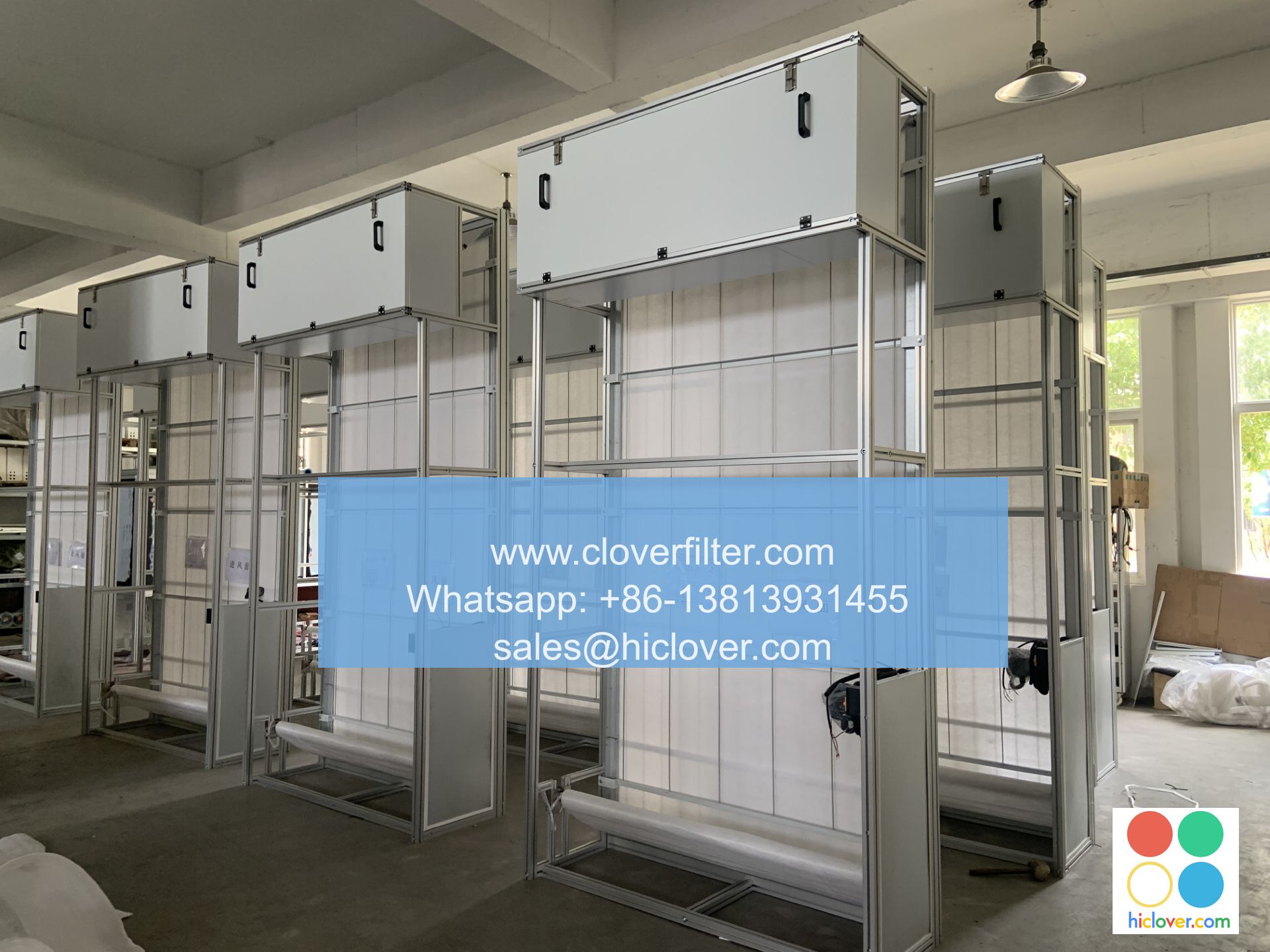
2. MERV Ratings
The Minimum Efficiency Reporting Value (MERV) rating indicates the
effectiveness of an air filter. MERV ratings range from 1 to 20, with higher
ratings indicating better filtration. For most residential applications, a
MERV rating of 8-12 is sufficient, while commercial and industrial settings
may require filters with a rating of 13 or higher.
3. Airflow Resistance
It’s crucial to choose an air filter that allows for adequate airflow
while still capturing pollutants. Filters that are too restrictive can strain
HVAC systems and reduce efficiency. Always consider the compatibility of
the air filter with your existing system.
4. Size and Fit
Air filters come in various sizes, so it’s essential to measure the
dimensions of your system’s filter slot accurately. Choosing the wrong size
can lead to air leaks, lowering efficiency and compromising air quality.
Application Areas for Air Filters
1. Residential Applications
In residential settings, air filters are commonly used in HVAC systems,
air purifiers, and ventilation systems. Selecting the right filter type
significantly impacts indoor air quality, especially for households with
children, elderly individuals, or allergy sufferers.
2. Commercial Applications
Commercial buildings, such as offices, schools, and hospitals, require
high-efficiency filters to combat larger volumes of airborne contaminants.
HEPA and MERV-rated filters are often mandated to maintain a safe indoor
environment. Regular filter changes and maintenance are crucial in these
settings.
3. Industrial Applications
In industrial environments, air filters play a vital role in protecting
machinery and employees. Heavy-duty filters are necessary to trap
pollutants, dust, and chemical fumes in manufacturing facilities, mining
operations, and chemical plants. These settings may require specialized
filters designed for high-temperature or high-pollutant environments.
Conclusion
Choosing the right air filter involves evaluating your specific needs,
understanding filter types, MERV ratings, airflow resistance, and the
application areas involved. Whether you are looking to improve air quality
in your home, office, or industrial space, making informed decisions about
air filter selection will lead to healthier living environments and
significant cost-effectiveness in the long run.
It seems like you might need help with a prompt, but I need a bit more context to assist you effectively. Are you looking for writing prompts, discussion topics, creative projects, or something else? Please provide more details!
