Air Filter Selection Criteria for Industrial Applications with High Airborne Contaminant Levels: A Documentation Guide
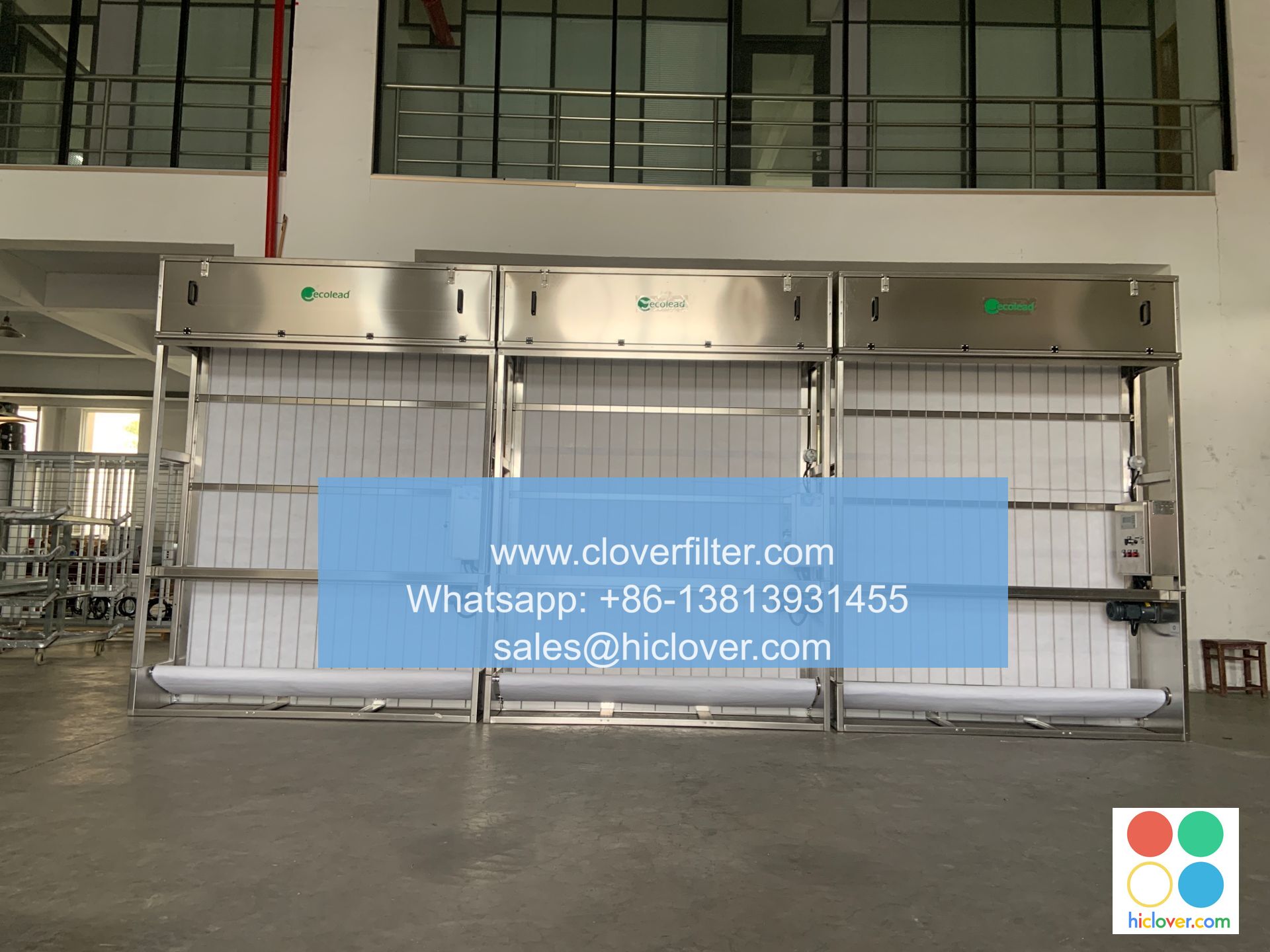
In industrial environments where airborne contaminants are prevalent, selecting the appropriate air filter is paramount to ensuring air quality and protecting equipment and personnel. This guide outlines essential criteria for air filter selection tailored for high-contaminant applications. From manufacturing facilities to chemical processing plants, understanding these criteria can improve operational efficiency and workplace safety.
1. Understand Airborne Contaminants

Before selecting an air filter, it’s crucial to identify the types of contaminants present in the environment. Common contaminants include:
- Dust and Particulate Matter: Found in factories, woodworking operations, and mining.
- Gases and Vapors: Emitted from chemical plants and refineries.
- Bacteria and Viruses: Relevant in pharmaceutical and healthcare industries.
2. Filter Efficiency Ratings
Filter efficiency is a critical criterion in the selection process. Air filters are rated based on their ability to capture various particles. The following standards are commonly used:
- MERV (Minimum Efficiency Reporting Value): Useful for residential and commercial filters, ranging from 1 (low) to 16 (high efficiency).
- HEPA (High-Efficiency Particulate Air): Must remove 99.97% of particles 0.3 micron or larger, ideal for sensitive environments.
- ULPA (Ultra-Low Penetration Air): Removes 99.999% of particles 0.12 micron or larger, suitable for semiconductor and lab environments.
3. Airflow Considerations
Airflow is another crucial factor in filter selection. High airborne contaminant levels can lead to increased pressure drop across filters, affecting overall system efficiency. Consider the following:
- CFM (Cubic Feet per Minute): Ensure the filter is rated for the intended airflow to maintain efficiency while reducing energy costs.
- Resistance to Airflow: Choose filters with low resistance to minimize energy consumption and prevent strain on the HVAC system.
4. Filter Material and Construction
The material and construction of air filters impact their performance in industrial applications. Consider the following materials:
- Fiberglass: Offers affordability but lower filtration efficiency.
- Synthetic Media: Provides high efficiency and durability against moisture and temperature fluctuations.
- Activated Carbon: Effective for gas and odor removal, particularly in chemical processing applications.
5. Durability and Maintenance
Durability is vital in reducing operational downtime due to filter replacement. Evaluate:
- Filter Lifespan: Longer-lasting filters reduce the frequency of replacements.
- Ease of Maintenance: Opt for filters that are easy to replace and maintain without the need for specialized tools.
6. Regulatory Compliance
In many industrial settings, compliance with health and safety regulations is mandatory. Ensure your selected air filters meet:
- OSHA Standards: For occupational safety and health.
- EPA Regulations: Environmental protection standards specific to air quality.
7. Application-Specific Requirements
Different application areas have unique requirements for air filtration:
- Manufacturing: Usually requires filters that handle heavy dust loads.
- Pharmaceutical: Demands HEPA or ULPA filters to ensure sterile environments.
- Food Processing: Needs great attention to allergens and bacteria elimination.
Conclusion
Selecting the right air filter for industrial applications with high airborne contaminant levels is a complex process that requires careful consideration of various factors. By understanding the types of contaminants, evaluating filter efficiency ratings, and taking into account the specific requirements of different application areas, businesses can optimize their air quality management and contribute to a healthier work environment.
It looks like you might be asking for a writing prompt or a specific topic to discuss. Could you please clarify what you need? Whether it’s a creative writing prompt, a question, or any other type of request, I’m here to help!
