Air Filter Selection for Commercial Kitchens: A Guide
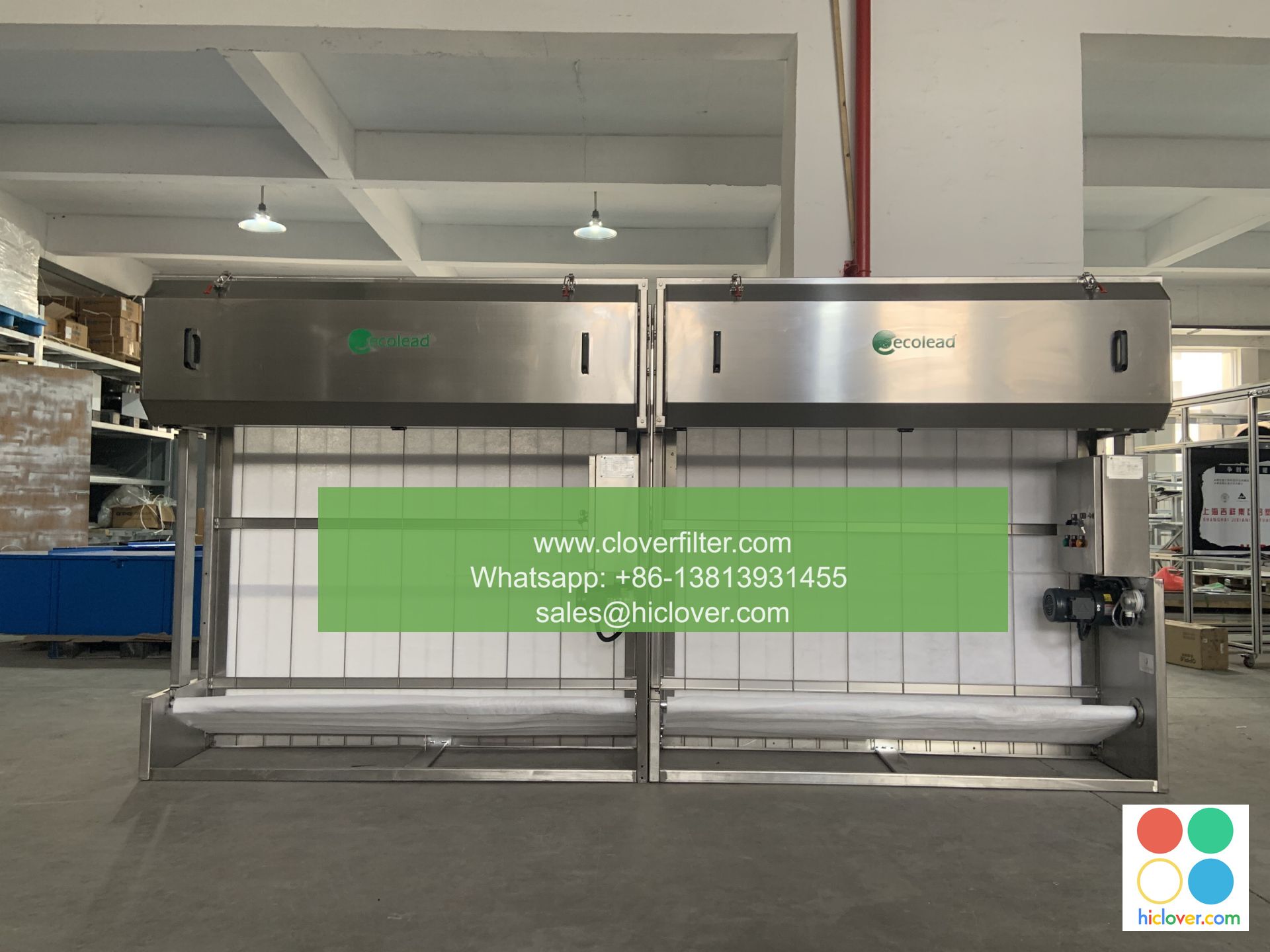
In any commercial kitchen, maintaining a clean and healthy environment is critical. One of the key components of achieving this is the selection of the right air filter. This guide will walk you through the essential factors to consider when choosing air filters for your commercial kitchen, highlighting various application areas.
Understanding the Importance of Air Filters

Air filters play a crucial role in commercial kitchens by:
- Reducing airborne contaminants such as grease, smoke, and odors.
- Improving overall air quality for the health of kitchen staff and customers.
- Enhancing the efficiency of kitchen equipment by preventing the buildup of grease and particulates.
Key Factors in Air Filter Selection
1. Type of Contaminants

Commercial kitchens generate a variety of contaminants. Understanding the types of pollutants present is essential for filter selection. Key contaminants include:
- Grease: Common in kitchens, grease can accumulate quickly, necessitating filters that can handle high volumes of oily particles.
- Smoke: Often produced during high-temperature cooking methods, smoke can affect indoor air quality.
- Odors: Strong food smells can linger in the air, making odor control filters necessary.
2. Filter Efficiency Ratings
Filters are rated based on their ability to remove different size particles. Here are the main ratings to be aware of:
- MERV Ratings: Minimum Efficiency Reporting Value (MERV) ranges from 1 to 16, indicating a filter’s efficiency in trapping particles.
- HEPA Filters: High-Efficiency Particulate Air filters can remove up to 99.97% of particles of 0.3 microns, offering superior air quality.
3. Filter Types
Factors like the cooking method and kitchen design influence the type of filters you may need:
- Electrostatic Filters: These filters use static electricity to attract and capture particulates, making them highly effective for grease and smoke.
- Activated Carbon Filters: Great for eliminating odors, these filters absorb smells from cooking.
- Bag Filters: Suitable for larger particles, bag filters can be effective in high-traffic kitchens.
Application Areas for Air Filters in Commercial Kitchens
1. Exhaust Systems
Most commercial kitchens utilize exhaust hoods that require efficient grease filters. Selecting filters that can capture airborne grease while allowing for adequate airflow is crucial.
2. Ventilation Systems
A robust ventilation system using HEPA filters can help maintain indoor air quality. Choose filters based on the air change rate required for your kitchen size and activity levels.
3. Make-Up Air Units
These systems bring fresh air into the kitchen. Filters in make-up air units should effectively remove impurities and provide clean, conditioned air.
Maintenance and Replacement of Air Filters
Selecting the best air filter for your commercial kitchen is only the first step. Regular maintenance and timely replacement are vital to ensure filters perform effectively. Here are some maintenance tips:
- Check filters regularly for accumulated grease and dirt.
- Establish a replacement schedule based on your kitchen’s usage and the manufacturer’s recommendations.
- Invest in monitoring systems that alert staff when filters need to be changed or cleaned.
Conclusion
Choosing the right air filters for your commercial kitchen is essential for creating a safe and healthy working environment. Understand the types of contaminants present, the effectiveness of different filter types, and ensure regular maintenance to enhance your kitchen’s air quality. Invest in high-quality, efficient filters tailored to your kitchen’s specific needs to promote a cleaner, more productive workspace.
It seems like your message got cut off. Could you please provide more details or clarify what you’d like assistance with? Whether it’s a topic for writing, a question, or something else, I’m here to help!
