Air Filter Selection for Historical Landmark Buildings
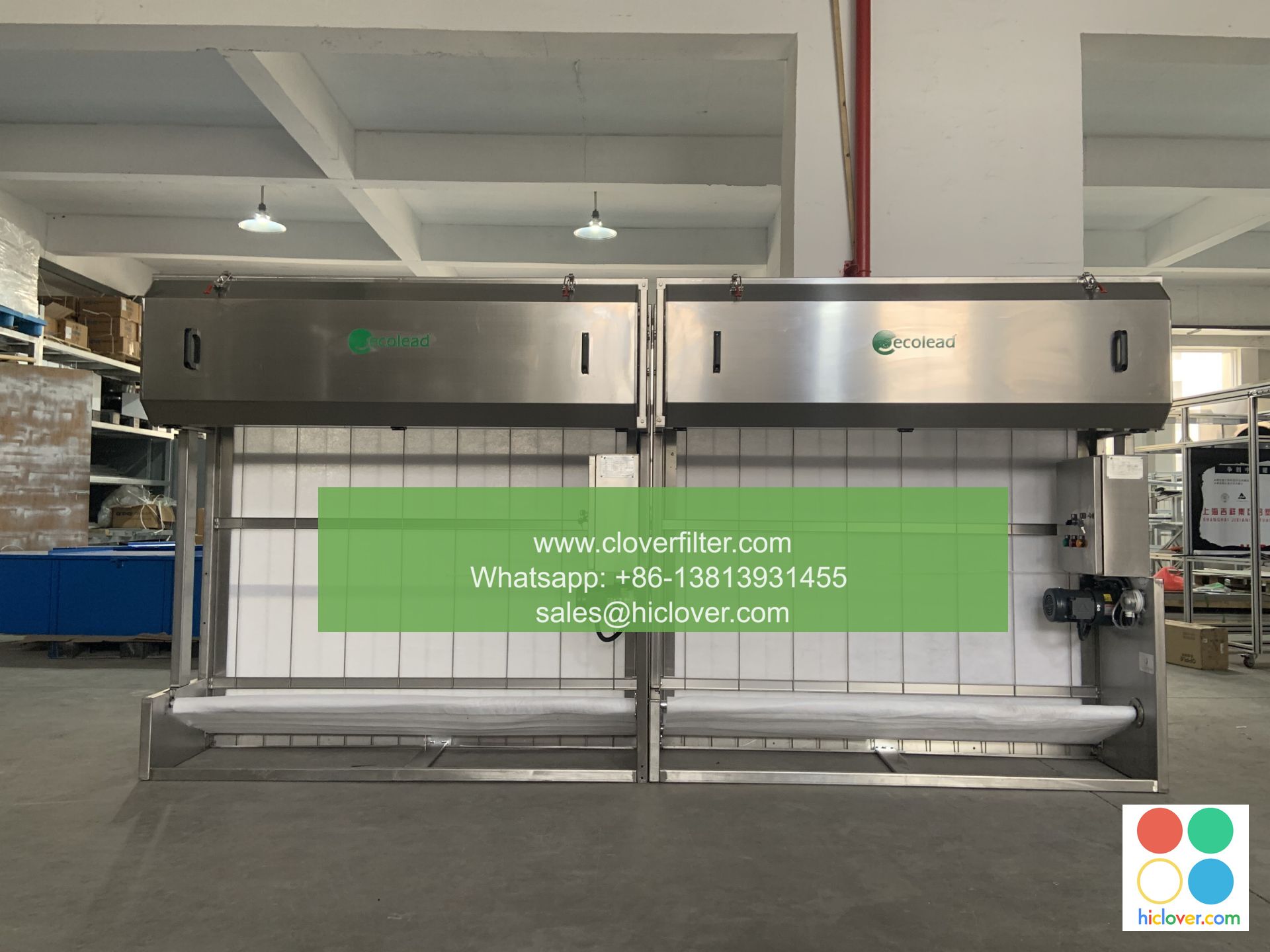
Historical landmark buildings are a testament to the architectural and cultural heritage of a nation. Preserving these structures for future generations is of utmost importance, and one crucial aspect of preservation is the selection of appropriate air filters. In this article, we will discuss the importance of air filter selection for historical landmark buildings and highlight various application areas where air purification systems and HEPA filters play a vital role.
Importance of Air Filter Selection

Historical landmark buildings are often susceptible to indoor air pollution due to the presence of particulate matter, gases, and microorganisms. These pollutants can damage the building’s structure, artifacts, and cultural heritage. Moreover, they can also pose health risks to visitors and staff. Therefore, it is essential to select air filters that can effectively remove these pollutants and maintain a healthy indoor air quality.
Application Areas for Air Filters
Air filters are used in various application areas within historical landmark buildings, including:
- Museums and galleries: To protect sensitive artifacts and exhibits from damage caused by dust, pollen, and other airborne particles.
- Libraries and archives: To preserve rare books, manuscripts, and documents from dust, mold, and mildew.
- Theaters and concert halls: To maintain optimal indoor air quality and prevent dust and pollen from affecting audio-visual equipment and performances.
- Government buildings and monuments: To preserve historical documents, artworks, and cultural heritage while maintaining a healthy indoor environment.
- HEPA filters: High-efficiency particulate air filters that can capture 99.97% of particles as small as 0.3 microns.
- Activated carbon filters: Used to remove gases, odors, and volatile organic compounds (VOCs) from the air.
- UV air purifiers: Used to eliminate microorganisms, bacteria, and viruses from the air.
- Filtration efficiency: The ability of the filter to capture particulate matter and gases.
- Airflow rate: The rate at which air is filtered and purified.
- Maintenance requirements: The ease of maintenance and replacement of the filter.
- Compatibility: The compatibility of the filter with the building’s HVAC system and air purification system.
- Space Exploration: What are the next steps humanity should take in exploring and potentially colonizing other planets?
- AI and Ethics: How can we ensure that artificial intelligence is developed and used in ways that are ethical and beneficial to society?
- Literary Classics: What modern themes or messages can be found in classic novels, and how do they remain relevant today?
- Influence of Music: How has music across different genres influenced social change or reflected societal attitudes throughout history?
- Climate Change: What individual and collective actions can be taken to mitigate the effects of climate change and promote sustainability?
- Wildlife Conservation: What strategies are most effective in protecting endangered species and preserving biodiversity?
- Mindfulness and Meditation: How can practices like mindfulness and meditation improve mental health and well-being?
- Career Development: What skills or attributes are most valuable for individuals looking to advance in their careers in a rapidly changing job market?
- Global Citizenship: What does it mean to be a global citizen, and how can individuals contribute to solving international issues?
- Education Reform: What changes could be made to education systems worldwide to better prepare students for the challenges of the 21st century?

Types of Air Filters
There are various types of air filters available, each with its own filtration efficiency and application area. Some common types of air filters used in historical landmark buildings include:
Selection Criteria for Air Filters
When selecting air filters for historical landmark buildings, several factors should be considered, including:
Conclusion
In conclusion, air filter selection is a crucial aspect of preserving historical landmark buildings. By selecting the right air filters and air purification systems, building managers and preservationists can protect cultural heritage, artifacts, and sensitive equipment while maintaining a healthy indoor environment. It is essential to consider various application areas, types of air filters, and selection criteria to ensure the optimal performance of air filters in historical landmark buildings. By doing so, we can preserve our cultural heritage for future generations and ensure the long-term sustainability of these historical treasures.
It seems like you’re looking for a prompt to start a conversation or explore a topic. Here are a few options across different categories to get you started:
Science and Technology
Arts and Culture
Environment and Conservation
Personal Development
Society and Politics
Feel free to pick any of these prompts that interest you, or if you have something specific in mind, let me know, and I’d be happy to help explore that topic with you!
