Air Filter Selection for HVAC Systems
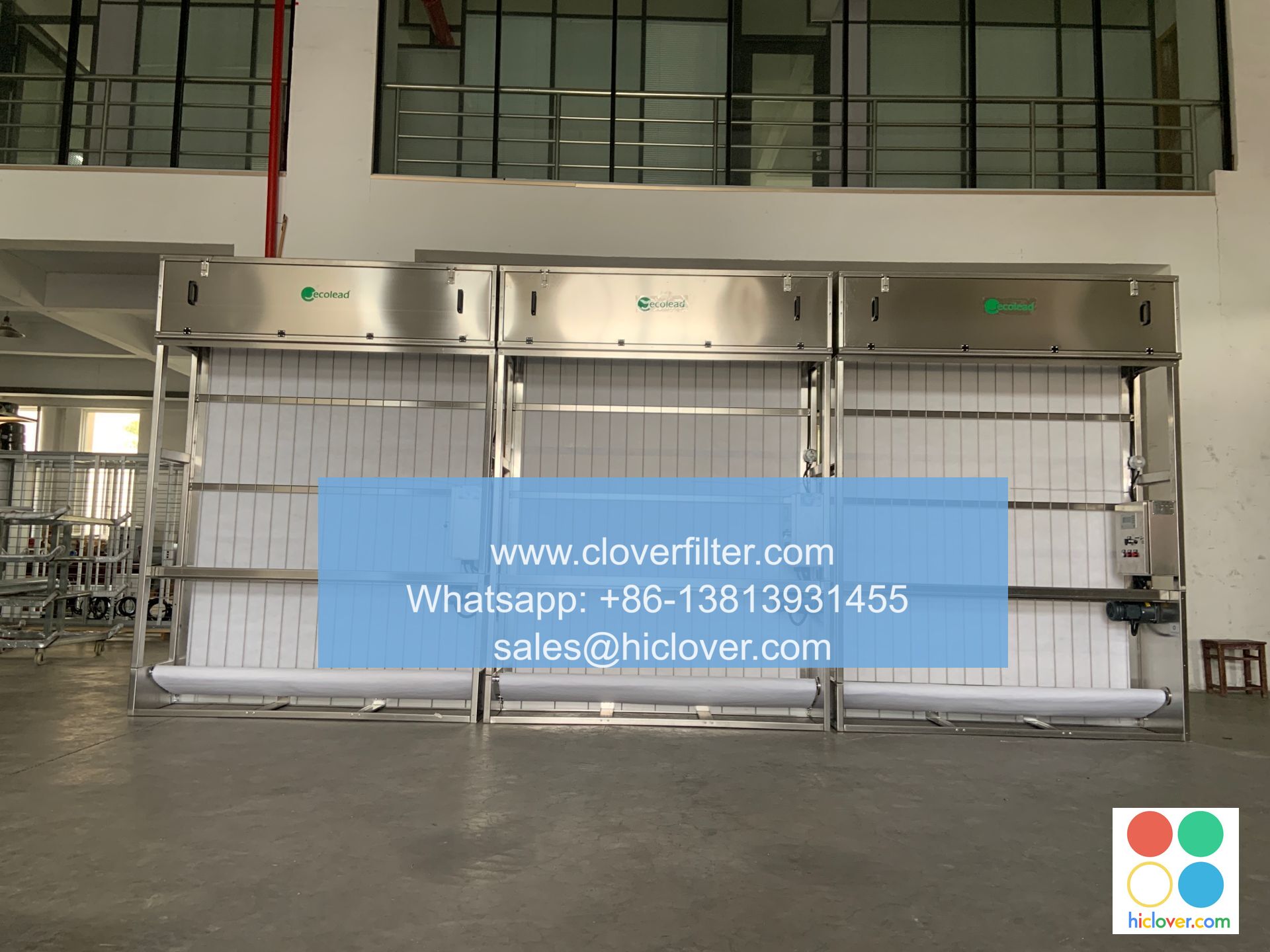
Understanding the Importance of Air Filters
Air filters play a critical role in Heating, Ventilation, and Air Conditioning (HVAC) systems. They are essential for maintaining indoor air quality (IAQ) by trapping dust, allergens, and other pollutants. Selecting the right air filter can significantly affect your HVAC system’s efficiency and durability.

Key Considerations for Air Filter Selection
1. Filter Type
Different types of filters include HEPA filters, pleated filters, and electrostatic filters. Each type offers unique benefits:
- HEPA Filters: High-efficiency particulate air filters capture 99.97% of particles that are 0.3 microns or larger.
- Pleated Filters: These filters have a larger surface area that can capture more dirt and debris compared to flat filters.
- Electrostatic Filters: Utilizing static electricity, these filters can attract and capture smaller particles.

2. MERV Ratings
The Minimum Efficiency Reporting Value (MERV) rating measures the effectiveness of an air filter. It’s crucial to choose a filter with an appropriate MERV rating based on the specific application:
- MERV 1-4: Basic filtration for residential use.
- MERV 5-8: Better dust and pollen capture, suitable for homes with pets.
- MERV 9-12: High-efficiency filtration for advanced allergen control, ideal for those with allergies.
- MERV 13-16: HEPA-level filtration designed for hospitals and other specialized environments.
3. Airflow and Pressure Drop
Balancing filtration efficiency and airflow is vital. A filter with high MERV rating may reduce airflow and increase energy costs. Ensure that the selected filter maintains the desired airflow without contributing to excessive pressure drop in the HVAC system.
Application Areas
1. Residential HVAC Systems
For homes, filters designed to capture common allergens and dust can significantly enhance indoor air quality, leading to a healthier living environment.
2. Commercial HVAC Systems
Commercial buildings need filters that can handle larger spaces and higher occupancy levels. These may include HEPA filters to combat indoor air pollutants more effectively.
3. Industrial Ventilation
In industrial settings, robust filtration systems are necessary to handle the high levels of particulate matter and pollutants present in the air.
4. Medical Facilities
Hospitals and laboratories require the highest standards of air filtration. MERV 13 or higher filters are often mandated to ensure the safety of patients and staff.
Conclusion
Selecting the right air filter for your HVAC system is essential for achieving optimal performance and ensuring the safety and comfort of indoor air quality. By understanding the types of filters, MERV ratings, airflow considerations, and specific application needs, one can make informed decisions that enhance the functionality and efficiency of HVAC systems.
It seems like you might be looking for some inspiration or a specific prompt to work with. Could you clarify what kind of prompt you’re interested in? It could be for writing, brainstorming ideas, a creative project, or something else entirely!
