Air Filter Selection for Laboratories and Research Facilities
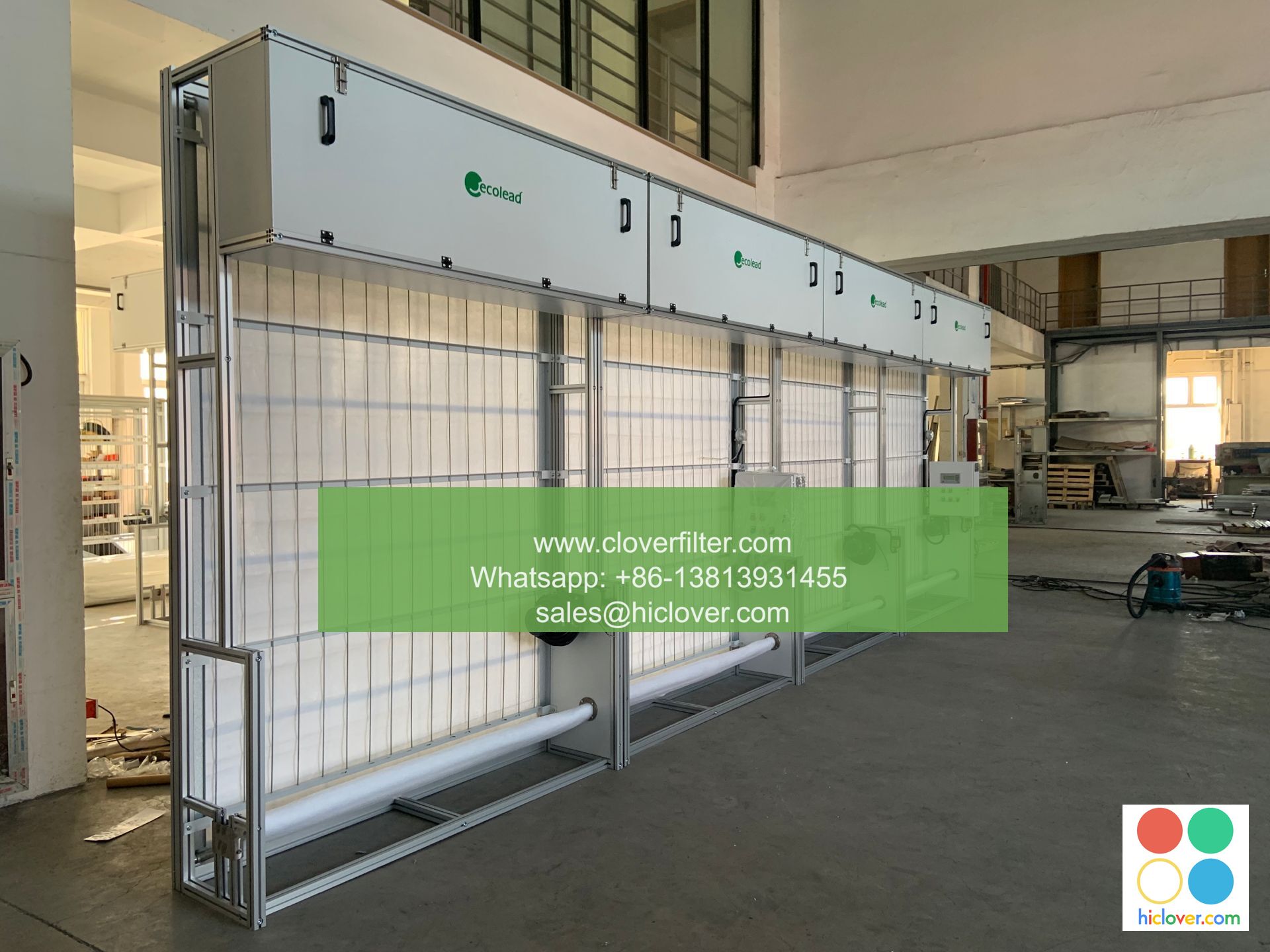
Laboratories and research facilities require a high level of air quality to ensure the accuracy of experiments, the safety of personnel, and the protection of sensitive equipment. Air filter selection is a critical aspect of maintaining a safe and healthy environment in these facilities. In this article, we will discuss the importance of air filtration in laboratories and research facilities, and provide guidance on selecting the right air filters for various application areas.
Importance of Air Filtration in Laboratories and Research Facilities
Laboratories and research facilities are prone to airborne contaminants such as particles, gases, and vapors, which can come from various sources including chemical reactions, biological agents, and equipment emissions. These contaminants can pose a risk to the health and safety of personnel, as well as compromise the integrity of experiments and equipment. Air filtration systems play a crucial role in removing these contaminants from the air, thereby maintaining a safe and healthy environment.
Types of Air Filters Used in Laboratories and Research Facilities
There are several types of air filters used in laboratories and research facilities, each with its own unique characteristics and application areas. Some of the most common types of air filters include:
* HEPA filters: High Efficiency Particulate Air filters are designed to capture 99.97% of particles as small as 0.3 microns, making them ideal for applications where high levels of airborne particulate control are required.
* ULPA filters: Ultra Low Penetration Air filters are designed to capture 99.999% of particles as small as 0.12 microns, making them ideal for applications where extremely high levels of airborne particulate control are required.
* Activated carbon filters: These filters are designed to capture gases and vapors, making them ideal for applications where chemical odors or volatile organic compounds (VOCs) are a concern.
* Pre-filters: These filters are designed to capture larger particles and debris, making them ideal for applications where high levels of airborne particulate are present.
Application Areas for Air Filters in Laboratories and Research Facilities
Air filters are used in a variety of application areas in laboratories and research facilities, including:
* Microbiology laboratories: HEPA filters are often used in microbiology laboratories to prevent the spread of biological agents and maintain a sterile environment.
* Chemical laboratories: Activated carbon filters are often used in chemical laboratories to capture chemical odors and volatile organic compounds (VOCs).
* Pharmaceutical laboratories: ULPA filters are often used in pharmaceutical laboratories to maintain extremely high levels of airborne particulate control and prevent contamination.
* Research facilities: Air filters are often used in research facilities to maintain a clean and healthy environment for personnel and equipment.

Selection Criteria for Air Filters in Laboratories and Research Facilities
When selecting air filters for laboratories and research facilities, several factors should be considered, including:
* Filter efficiency: The ability of the filter to capture particles and gases of a certain size.
* Filter lifetime: The length of time the filter can be used before it needs to be replaced.
* Airflow rate: The rate at which air flows through the filter.
* Pressure drop: The decrease in pressure across the filter.
* Compatibility: The compatibility of the filter with the existing air filtration system.
By considering these factors and selecting the right air filters for the specific application area, laboratories and research facilities can maintain a safe and healthy environment, ensure the accuracy of experiments, and protect sensitive equipment. It looks like you’re ready to start, but you haven’t given me a prompt yet! What would you like to talk about or ask? I can help with a wide range of topics, from science and history to entertainment and culture. Let me know what’s on your mind!
